Stiga Mantra M vs Xiom Vega Pro: Which Should You Buy?
| Stiga Mantra M | Xiom Vega Pro | |
|---|---|---|
| Our rating | 8.2/10 | 8.5/10 |
| best_side | Backhand or Forehand | both |
| control | High | medium-high |
| speed | High | offensive |
| spin | High | high |
| sponge_hardness | Medium (approx 45 degrees) | 47.5° |
| type | Inverted / Pimples-in | tensor inverted |
| weight_uncut_g | approx 64 | 69 |
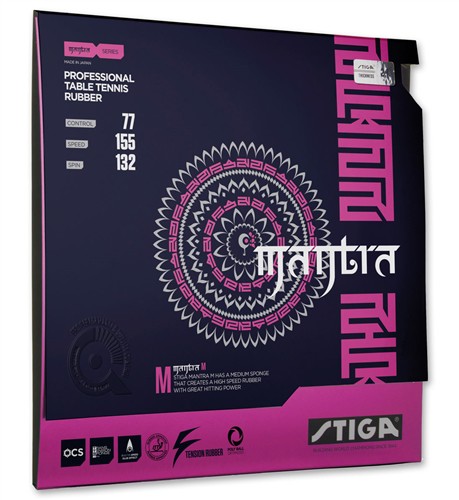
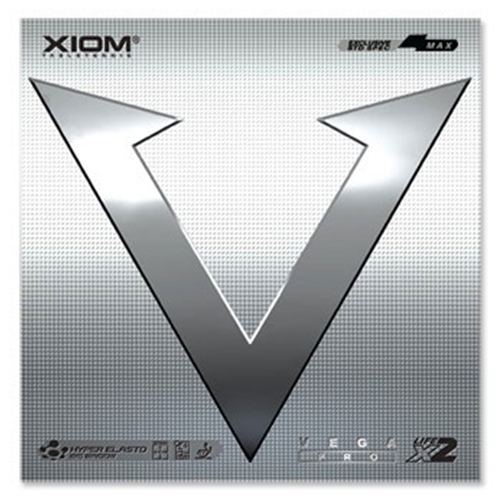
We may earn a commission from links on this page. Learn more.
Both offer good value and balance, but Vega Pro is more linear and spin-first while Mantra M is more forgiving. Vega Pro delivers unusual predictability for a tensor — you get the speed you supply — and suits close-to-mid-table attacking on stiff blades. Mantra M is more versatile and easier on the backhand. Vega Pro’s sponge softens over weeks, raising throw; Mantra M wears topsheet. Choose Vega Pro for a spin-first, linear forehand tensor; choose Mantra M for all-around flexibility.
FAQ
Which is better on the backhand?
Mantra M. Vega Pro can feel dead and hard on the backhand, especially on softer blades.
What does ‘linear response’ mean for Vega Pro?
You control the catapult directly through your swing. There are no surprise uncontrollable bursts like some tensors — what you ask for, you get.
How long does Vega Pro last?
The sponge softens after weeks or months, raising throw and reducing initial firmness. This is normal and affects playability over time.