Stiga Mantra H vs Tibhar Quantum X Pro: Which Should You Buy?
| Stiga Mantra H | Tibhar Quantum X Pro | |
|---|---|---|
| Our rating | 8.4/10 | 8.5/10 |
| best_side | forehand | both |
| control | 8.8 | medium |
| speed | 9.4 | very high |
| spin | 9.1 | very high |
| sponge_hardness | hard (approx. 47.5 degrees) | 47.5 degrees |
| type | inverted | tensor |
| weight_uncut_g | 65 | 70 |
We may earn a commission from links on this page. Learn more.
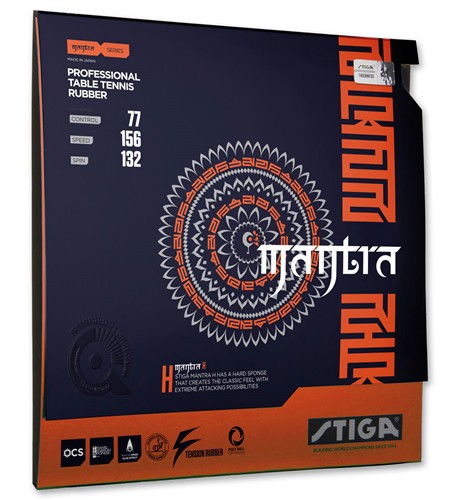
The Mantra H is a 9.4-speed hard (47.5°) forehand tensor with strong catapult and low throw—pure forehand play, discontinued.
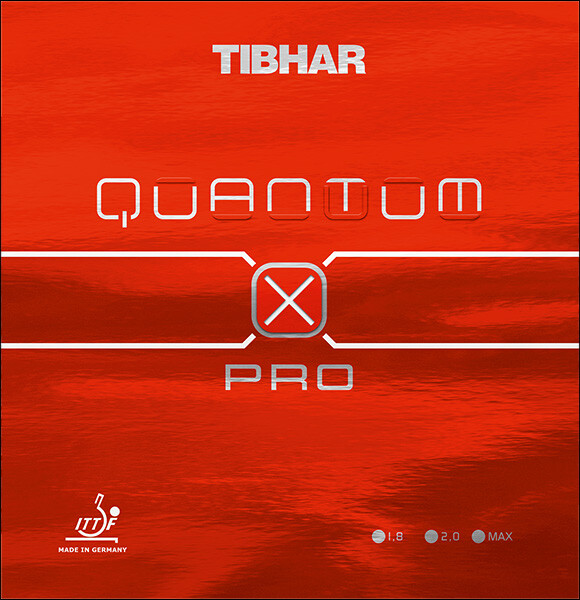
The Quantum X Pro is a 47.5° MAX tensor excelling on the backhand with very high spin and low spin sensitivity, lightweight (around 47.7g uncut), and proven at elite level—works both wings but shines backhand.
Mantra H is forehand-only and faster; Quantum X Pro is backhand-optimized and more forgiving on incoming spin. If you are a backhand-dominant player or need reliable backhand counter-topspin, Quantum X Pro is superior. Mantra H suits pure forehand attackers.
FAQ
Which rubber is better for backhand play?
Quantum X Pro is specifically optimized for backhand with low spin sensitivity and very high spin on demand, making it superior for backhand.
Is Quantum X Pro lighter than other MAX tensors?
Yes, it is around 47.7g uncut, which is light for a MAX tensor and aids maneuverability on the backhand.
Can Mantra H and Quantum X Pro be paired forehand and backhand?
Yes, both are hard (47.5°) and advanced-only, making this an excellent paired setup for speed forehand and spin backhand.
Is Quantum X Pro proven at professional level?
Yes, professional player Bernadette Szocs uses it, confirming its elite-level performance.