Stiga Clipper Wood vs Yinhe T-11+: Which Should You Buy?
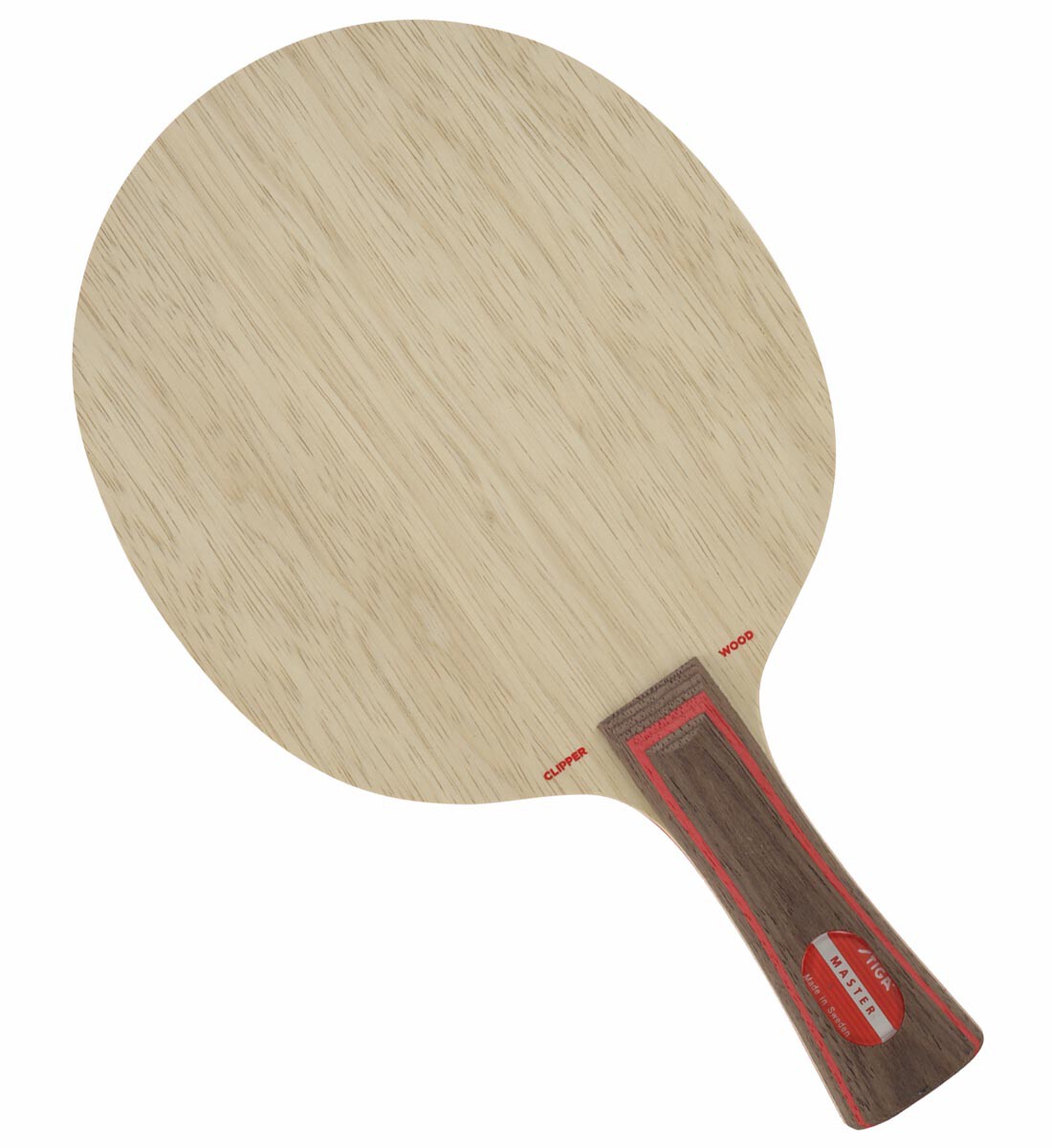
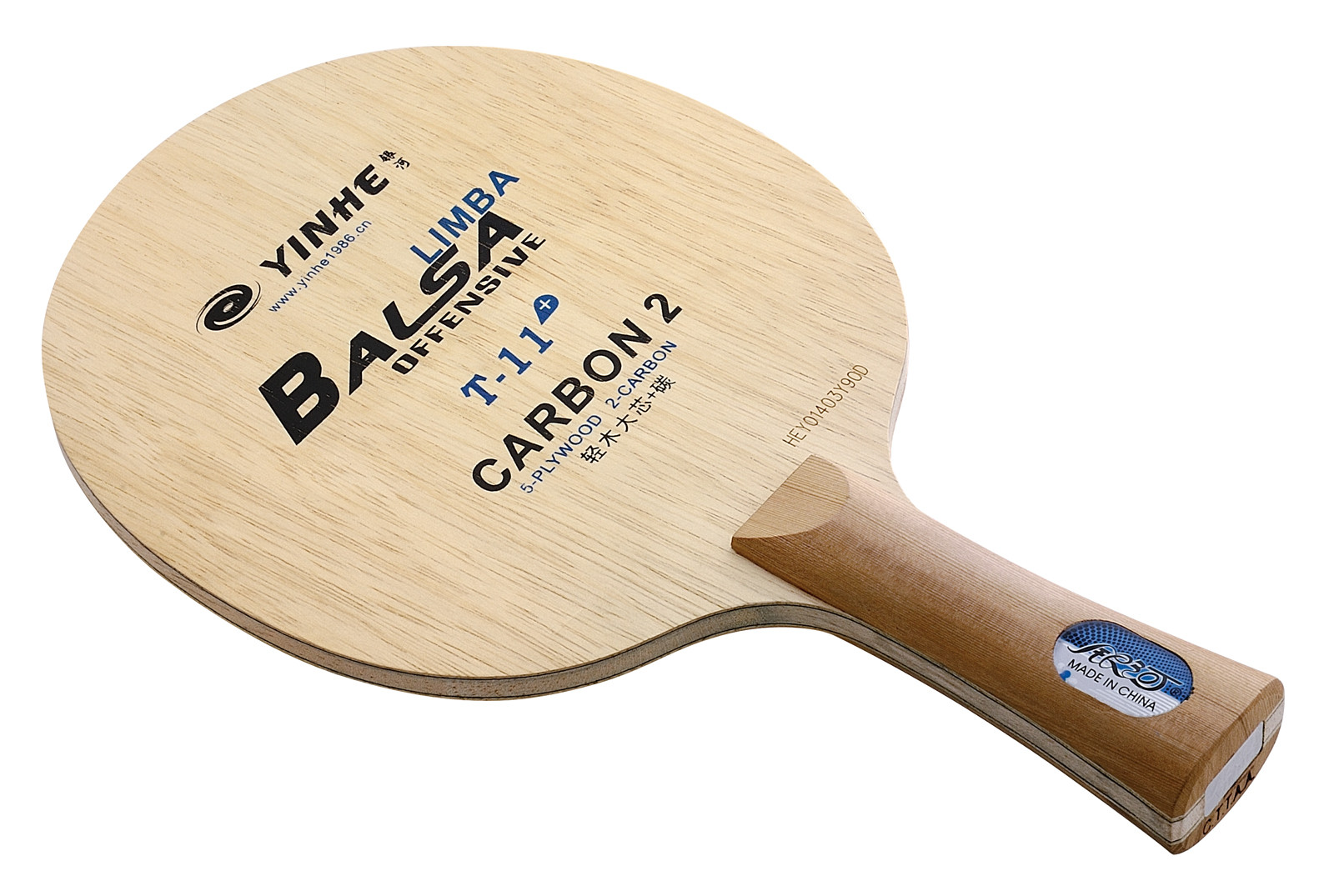
| Stiga Clipper Wood | Yinhe T-11+ | |
|---|---|---|
| Our rating | 8.4/10 | 7.8/10 |
| feel | solid, medium-stiff, hard fast all-wood with a big sweetspot | very light, stiff but soft balsa core with a carbon ping |
| handle | FL/ST/AN/PEN | FL |
| plies | 7W (all wood) - limba outer plies over an ayous core, no carbon or synthetic layers | 5W+2 Carbon with balsa core (two thin wood outers, one carbon layer per side, around a thick balsa middle ply) |
| speed | OFF | OFF- |
| thickness_mm | 6.3 | 6.5 |
| weight_g | 90 | 78 |
We may earn a commission from links on this page. Learn more.
The Stiga Clipper Wood is a classic 7-ply all-wood blade with a big sweet spot, rock-solid blocking that absorbs incoming energy and outstanding short-game touch. It runs heavy and asks you to generate power, and many owners seal it against Stiga’s splintering tendency. The Yinhe T-11+ is a stiff, featherlight balsa-carbon blade that prioritizes speed, flat hitting and mobility, with excellent flicking and chopping but a clear weakness in heavy looping.
Choose the Clipper Wood if you are a close-to-mid all-round attacker or looper-blocker who prizes control, feel and a big sweet spot, and you are happy to add faster European or Japanese rubbers for power. Choose the T-11+ if you want a light, fast blade for flat hitting, blocking and combination play.
Control-first blockers and all-rounders lean Stiga; speed-and-mobility hitters lean Yinhe.
FAQ
Which blocks better?
The Stiga Clipper Wood offers rock-solid blocking that absorbs incoming energy. The T-11+ blocks well too but its passive blocks can lack rebound, so it rewards an active punch.
How different is the weight?
Considerably. The Clipper Wood runs heavy at around 90 grams and can cause fatigue over long sessions, while the T-11+ is roughly 78 grams and exceptionally mobile.
Do they need sealing?
Both can splinter. The Clipper Wood has Stiga’s known splintering tendency and many owners seal it, and the T-11+ has a fragile surface that must be sealed before use.