Palio CJ8000 2-Side Loop vs Tibhar Evolution MX-S: Which Should You Buy?
| Palio CJ8000 2-Side Loop | Tibhar Evolution MX-S | |
|---|---|---|
| Our rating | 7.8/10 | 8.4/10 |
| best_side | forehand or backhand | Forehand |
| control | 8.5 | High |
| speed | 7 | OFF |
| spin | 8.5 | Very High (11.5 on Tibhar scale, highest in Evolution range) |
| sponge_hardness | 36-38 deg | around 47.3 degrees (hard) |
| type | inverted | Inverted tensor (ESN) |
| weight_uncut_g | 57 | 76 g (2.1-2.2 mm uncut sheet) |
We may earn a commission from links on this page. Learn more.
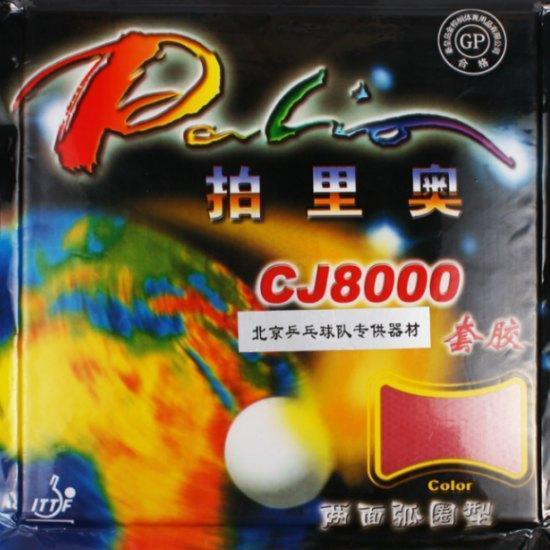
Palio CJ8000 is the foundation builder. Low speed and spin ceiling mean intermediate players quickly want more, but it successfully develops the muscle memory and feel for topspin.
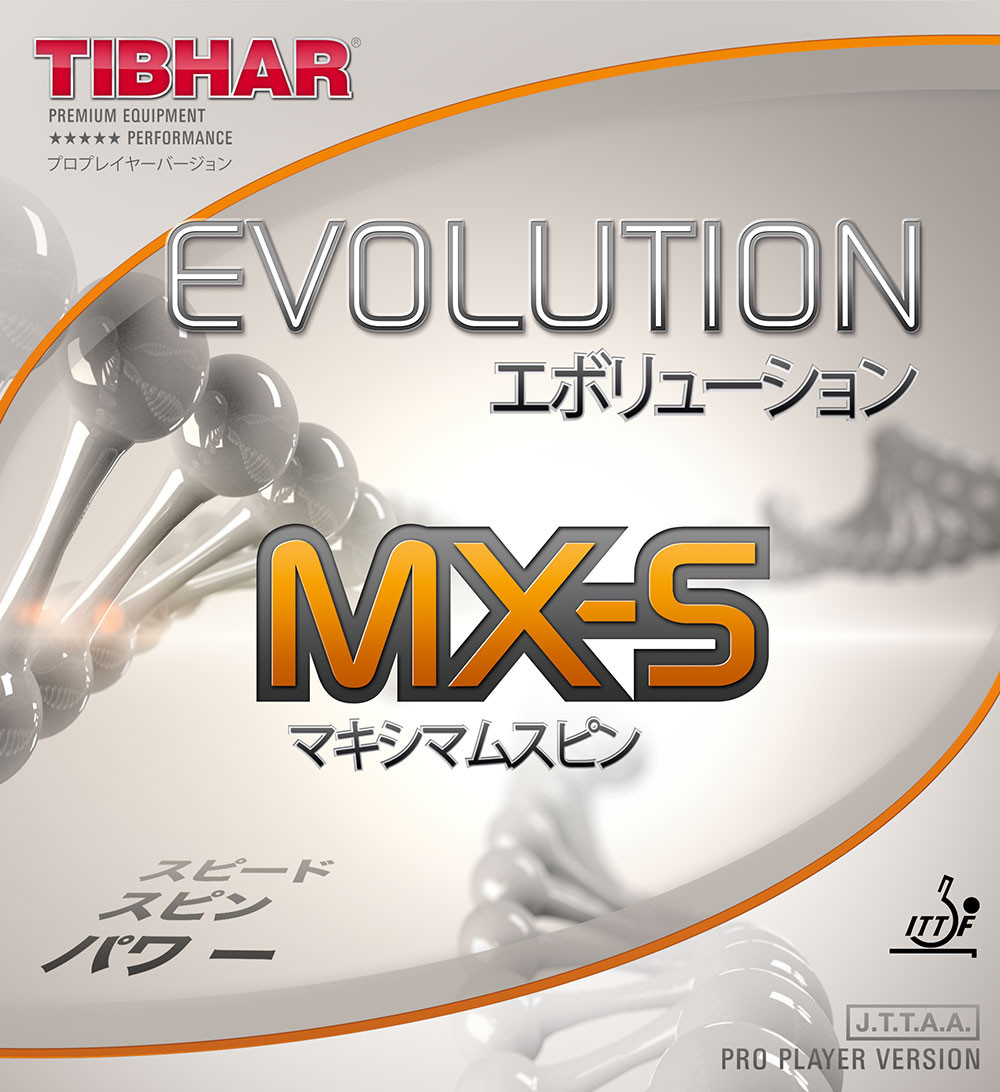
Tibhar Evolution MX-S is engineered for loop-heavy offensive play and exceptional blocking. It spins harder than any other Evolution rubber, maintains consistency under pressure, and covers the entire distance spectrum. The downside is weight and a demanding sponge.
Choose Palio to learn loops cheaply. Choose MX-S when you are ready to base your game on high-spin aggression and can commit to full, technically sound strokes.
FAQ
Which is better for blocking?
MX-S. Its spin absorption is exceptional, allowing low-touch blocks against heavy topspin. Palio lacks the sponge firmness for stable blocks.
Can MX-S generate serve spin without boosting?
Yes, easily. Palio needs boosting or very aggressive brushing to match MX-S serve spin.
Is MX-S comfortable on soft allround blades?
No. It feels slow and dead on all-wood or soft composite blades. Pair it with stiff or carbon frames.
How long is MX-S serviceable?
About four to six weeks of heavy use before notable spin fade. Palio lasts slightly longer but never reaches MX-S peak spin.