Palio CJ8000 2-Side Loop vs Tibhar Evolution EL-P: Which Should You Buy?
| Palio CJ8000 2-Side Loop | Tibhar Evolution EL-P | |
|---|---|---|
| Our rating | 7.8/10 | 8.4/10 |
| best_side | forehand or backhand | both |
| control | 8.5 | medium-high |
| speed | 7 | high |
| spin | 8.5 | high |
| sponge_hardness | 36-38 deg | 43.5 (ESN), about 35 Shore A |
| type | inverted | tensor inverted |
| weight_uncut_g | 57 | 68 |
We may earn a commission from links on this page. Learn more.
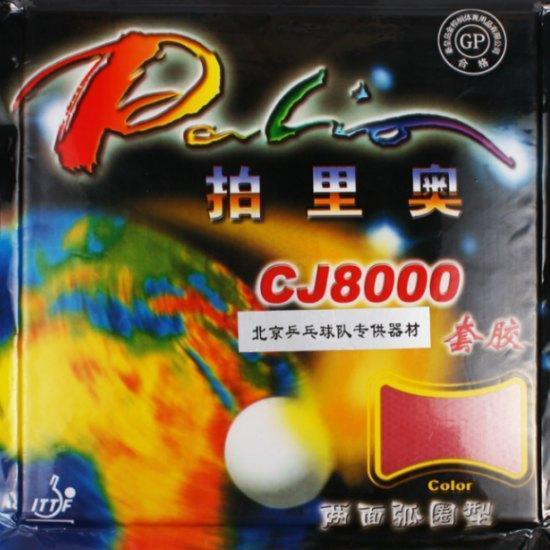
Palio CJ8000 is the budget entry point for topspin development. It forgives poor timing, responds to boosting, and sits comfortably on allround blades. Cost and accessibility are its main strengths; speed ceiling and durability are not.
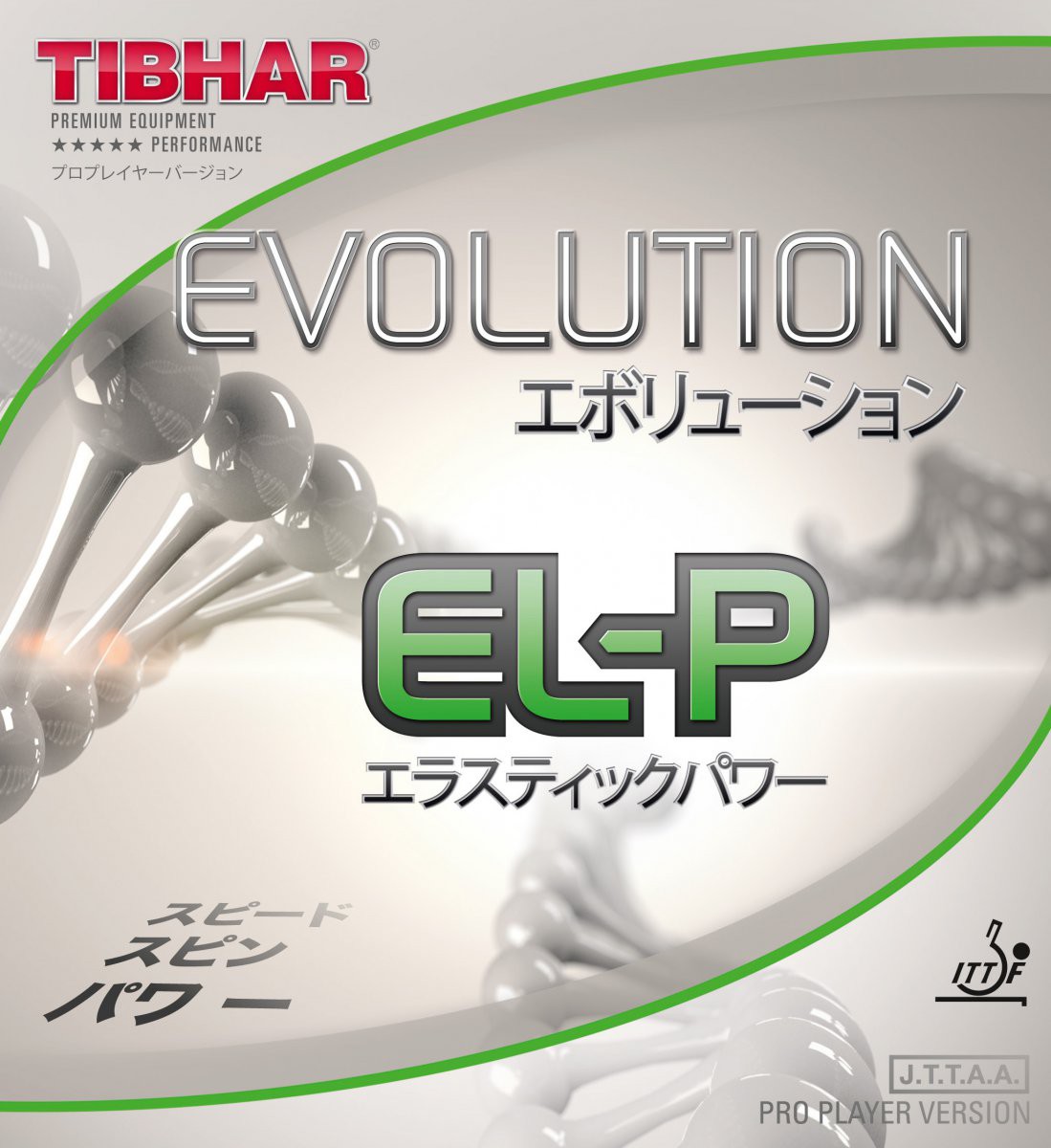
Tibhar Evolution EL-P splits the difference between Tibhar’s softer and harder models. It offers genuine spin, excellent blocking, and a catapult for mid-range pace. The versatile character works on both wings and suits players who prioritize consistency over raw speed.
Beginner loopers stay with Palio. Intermediate players seeking a balanced, long-lasting rubber on either wing should try EL-P.
FAQ
Which rubber plays better on faster carbon blades?
Tibhar EL-P. Its catapult and firmer sponge pair well with fast blade feedback. Palio can feel slow on stiff blades.
Is EL-P forgiving like Palio?
Less so. EL-P demands cleaner technique but absorbs more incoming pace. Palio is more tolerant of timing errors.
Can I use both on the same racket?
Yes. Many players pair Palio forehand with EL-P backhand for affordable, asymmetric setups.
Which needs less maintenance?
Palio requires frequent cleaning after boosting. EL-P is stable without boosting but needs regular dusting to maintain grip.