Palio AK47 vs Tibhar Evolution FX-P: Which Should You Buy?
| Palio AK47 | Tibhar Evolution FX-P | |
|---|---|---|
| Our rating | 7.8/10 | 8.4/10 |
| best_side | both | Backhand or allround forehand |
| control | high (best on the softer Blue) | 68 |
| speed | medium-high (Blue softer and more linear, Red fastest) | 94 |
| spin | high | 98 |
| sponge_hardness | Blue around 38-40 deg, Yellow around 40-42 deg, Red around 45-47 deg (Euro scale) | approx 40 degrees (softest in Evolution line) |
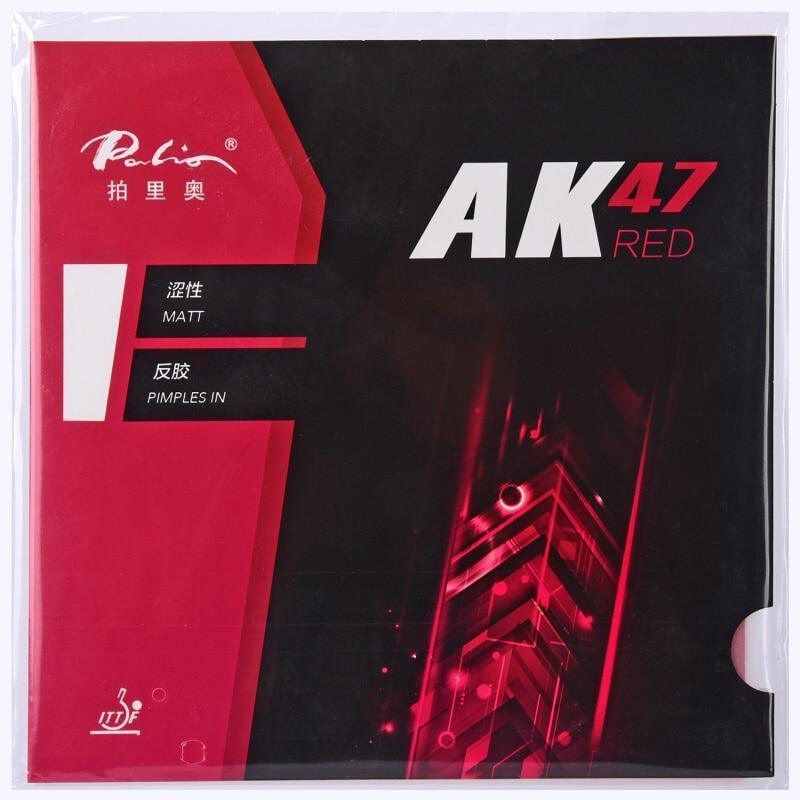
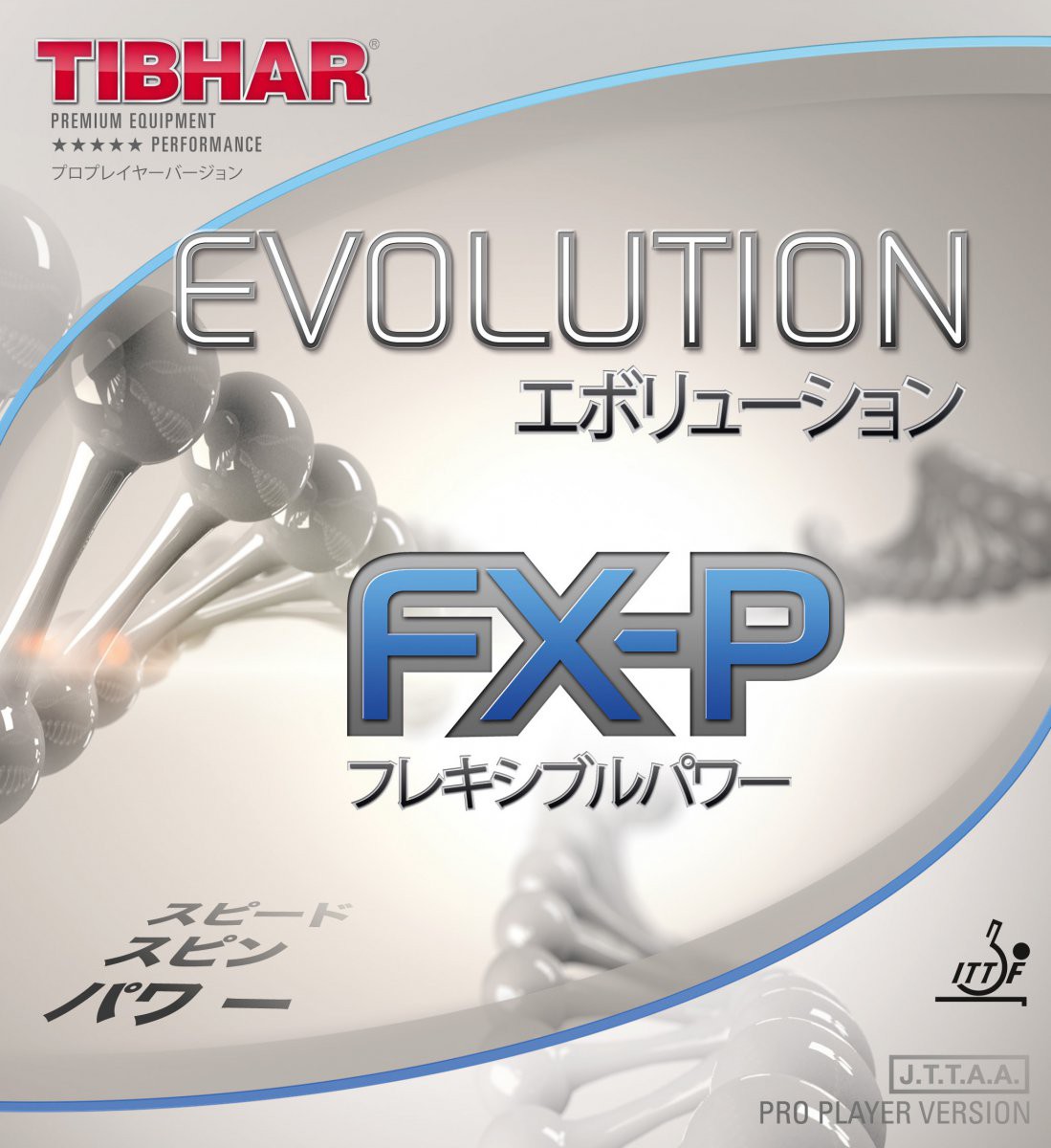
| type | non-tacky inverted tensor (offered in Blue, Yellow and Red sponges) | Inverted / tensor |
| weight_uncut_g | 67 | 68 |
We may earn a commission from links on this page. Learn more.
Two rubbers that are nearly twins on paper
Look at the axis deltas here and the first thing you notice is how small most of them are. Spin is exactly tied at 9.1 for both rubbers, a delta of zero. Tackiness is exactly tied at 2.0 for both, another delta of zero. Speed differs by just 0.1 (8.5 versus 8.6), and durability differs by just 0.1 (7.0 versus 7.1) in the FX-P’s favor. On four of six axes, these rubbers are effectively indistinguishable in the data. That matters, because the Palio AK47 is explicitly positioned in its own pros as a budget rubber offering “near-tensor feel for a fraction of the cost” of premium alternatives, while the Tibhar Evolution FX-P is reviewed at Revspin, Megaspin and TableTennisDaily as a genuine tensor rubber with “great value versus Butterfly Tenergy alternatives.” The axis data suggests the AK47 is getting remarkably close to matching a genuine mid-tier German tensor on the fundamentals.
Where the real, if modest, gaps are
The two axes that do separate these rubbers are control and throw, and both favor the AK47. Control runs 9.3 for the AK47 versus 8.9 for the FX-P, a 0.4 gap. Throw runs 6.0 versus 5.5, a 0.5 gap. Both are real differences, but neither is large enough to call decisive on its own, especially set against how close everything else is. If you are choosing purely on these axis numbers, the AK47 has a very slight edge on both control and throw, not the FX-P.
The catch: consistency, not raw performance
The place where the two rubbers genuinely diverge is not on any single axis score but in the fine print of their own listed cons. The AK47’s cons note “noticeable sheet-to-sheet variation in sponge hardness and weight,” meaning the rubber you receive may not exactly match the numbers reviewed here, sheet to sheet. The FX-P’s cons instead flag a different kind of inconsistency, over time rather than across units: “durability varies, some users report speed loss after around 6 months of regular play.” So the AK47’s risk is variability out of the packet, while the FX-P’s risk is variability over its lifespan. Neither issue shows up in the axis scores, which is exactly why it is worth reading past the numbers before deciding.
What each rubber is built for
The AK47 comes in three sponge hardnesses, Blue, Yellow and Red, reviewed on Reddit, TableTennisDaily and Table Tennis Data as letting you dial in speed and control to the wing and playstyle you want, with Blue best for a controllable backhand or all-round game and Red for a faster, more aggressive offensive sheet. The FX-P, at a fixed sponge hardness of around 40 degrees, the softest in Tibhar’s Evolution line, is closest in profile to the AK47’s Yellow, and is reviewed as being “very forgiving on mishits” with a “high return rate,” working well on both forehand and backhand for intermediate to upper-intermediate all-round players, particularly on a flexy all-round blade.
Should you spend more for the FX-P
Given how close the two rubbers are on spin, tackiness, speed and durability, and that the AK47 actually edges ahead on control and throw, the case for paying more for the FX-P over the AK47 Yellow has to come from somewhere other than raw axis performance. The strongest argument is unit-to-unit consistency, since the AK47’s own cons flag noticeable sheet-to-sheet variation that the FX-P’s listed cons do not mention. If you have been burned by an inconsistent AK47 sheet, or if you want to be sure you know exactly what you are getting, that consistency is the real thing you are buying, not extra spin or control.
Bottom line
On the numbers alone, the Palio AK47 is not a compromise version of a tensor rubber, it matches or slightly beats the Tibhar Evolution FX-P on every axis measured here. The FX-P’s case rests on consistency and refinement rather than outperforming the AK47 on spin, speed, tackiness or durability. If budget is a real constraint and you can tolerate some sheet-to-sheet variation, the AK47 gives you nearly all of the FX-P’s performance for a fraction of the price.
Frequently asked questions
Is the Palio AK47 really as spinny as the Tibhar Evolution FX-P?
According to the axis data, yes, spin is tied exactly at 9.1 for both rubbers. The AK47 also matches the FX-P on tackiness and comes within 0.1 on both speed and durability.
Why would anyone pay more for the FX-P if the AK47 matches it on most axes?
The main documented reason is consistency. The AK47's own cons note noticeable sheet-to-sheet variation in sponge hardness and weight, an issue the FX-P's listed cons do not mention, though the FX-P has its own reported durability variance after around six months of use.
Which AK47 sponge hardness compares best to the FX-P?
The FX-P sits at a fixed sponge hardness of around 40 degrees, which lines up closest with the AK47's Yellow sponge in the 40-42 degree range, making Yellow the fairest side-by-side comparison rather than the softer Blue or harder Red.
Does either rubber suit a beginner?
The AK47 is explicitly aimed at budget-minded developing and intermediate players building their first custom racket. The FX-P is reviewed as suiting intermediate to upper-intermediate all-round players, so both skew toward players who already have some experience rather than complete beginners.