Nittaku Septear vs Tibhar Stratus Power Wood: Which Should You Buy?
| Nittaku Septear | Tibhar Stratus Power Wood | |
|---|---|---|
| Our rating | 8.2/10 | 9.0/10 |
| feel | Soft with high dwell time | Elastic with long dwell time, lively yet controlled, larger-than-average head and big sweet spot |
| handle | Straight or Concave (flared) | FL / ST / AN |
| plies | 7-ply all wood (Kiso Hinoki) | 5-ply all wood (Limba-Limba-Ayous-Limba-Limba) |
| speed | ALL+ | OFF- |
| thickness_mm | 6.7 | 6.2 |
| weight_g | 85 | 90 |
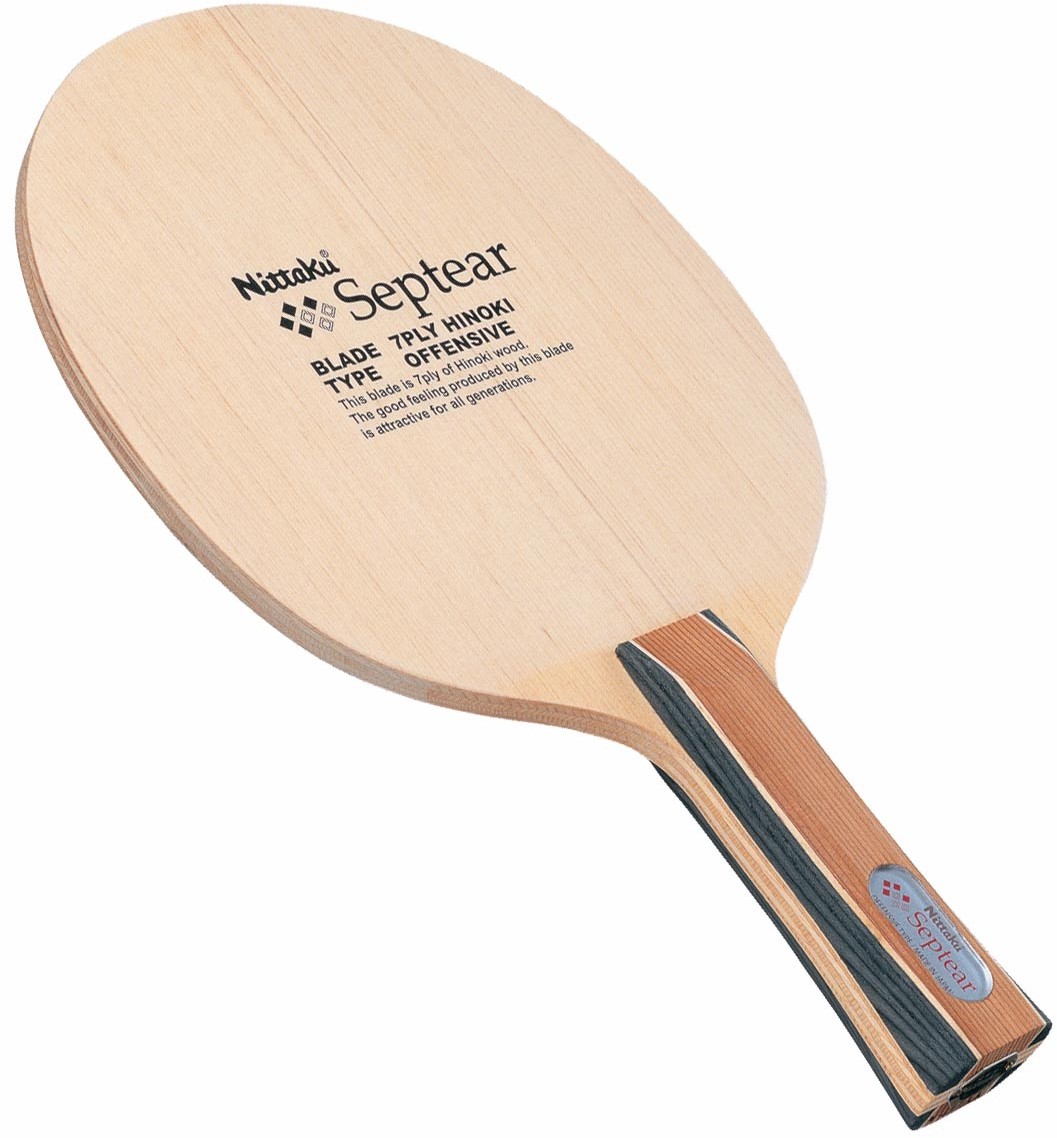
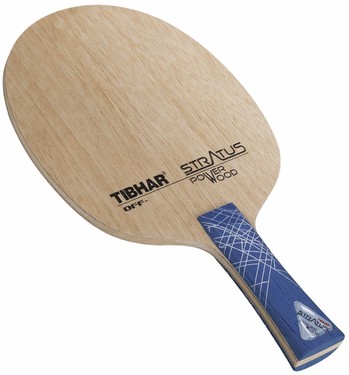
We may earn a commission from links on this page. Learn more.
The Septear is a soft, dwell-rich 7-ply premium all-wood blade excelling at precision placement and ball control. The Stratus Power Wood is a beginner-friendly 5-ply all-wood blade with elastic, lively feel, long dwell time and large forgiving sweet spot, praised as the best-value 5-ply all-wood blade.
The Septear suits developing and intermediate all-round players who pair it with harder rubbers and prioritize touch. The Stratus Power Wood suits beginner to intermediate two-winged loopers who want forgiving, spin-friendly all-wood play at unbeatable price, regardless of rubber hardness.
FAQ
Which blade for a true beginner?
The Stratus Power Wood is beginner-friendly with large sweet spot and lively feel. The Septear’s softer, more sensitive touch suits developing players with some fundamentals.
How do dwell times compare?
Both have long dwell time rewarding topspin loops. The Septear’s dwell is high and soft, while the Stratus Power Wood’s dwell is elastic and lively.
What about price?
The Septear is premium-priced for Japanese craftsmanship. The Stratus Power Wood is phenomenally cheap for its performance tier.
How do they feel in hand?
The Septear is lighter and thin-handled. The Stratus Power Wood is larger and heavier, with a comfortable handle that suits larger hands.
Which blade requires harder rubbers?
The Septear requires medium-hard to hard sponges to reach its potential. The Stratus Power Wood works well regardless of rubber softness, making it more versatile.