Nittaku Hammond Z2 vs Tibhar Evolution EL-P: Which Should You Buy?
| Nittaku Hammond Z2 | Tibhar Evolution EL-P | |
|---|---|---|
| Our rating | 8.8/10 | 8.4/10 |
| best_side | forehand | both |
| control | 7.5 | medium-high |
| speed | 9.0 | high |
| spin | 9.5 | high |
| sponge_hardness | 52 | 43.5 (ESN), about 35 Shore A |
| type | inverted | tensor inverted |
| weight_uncut_g | 70 | 68 |
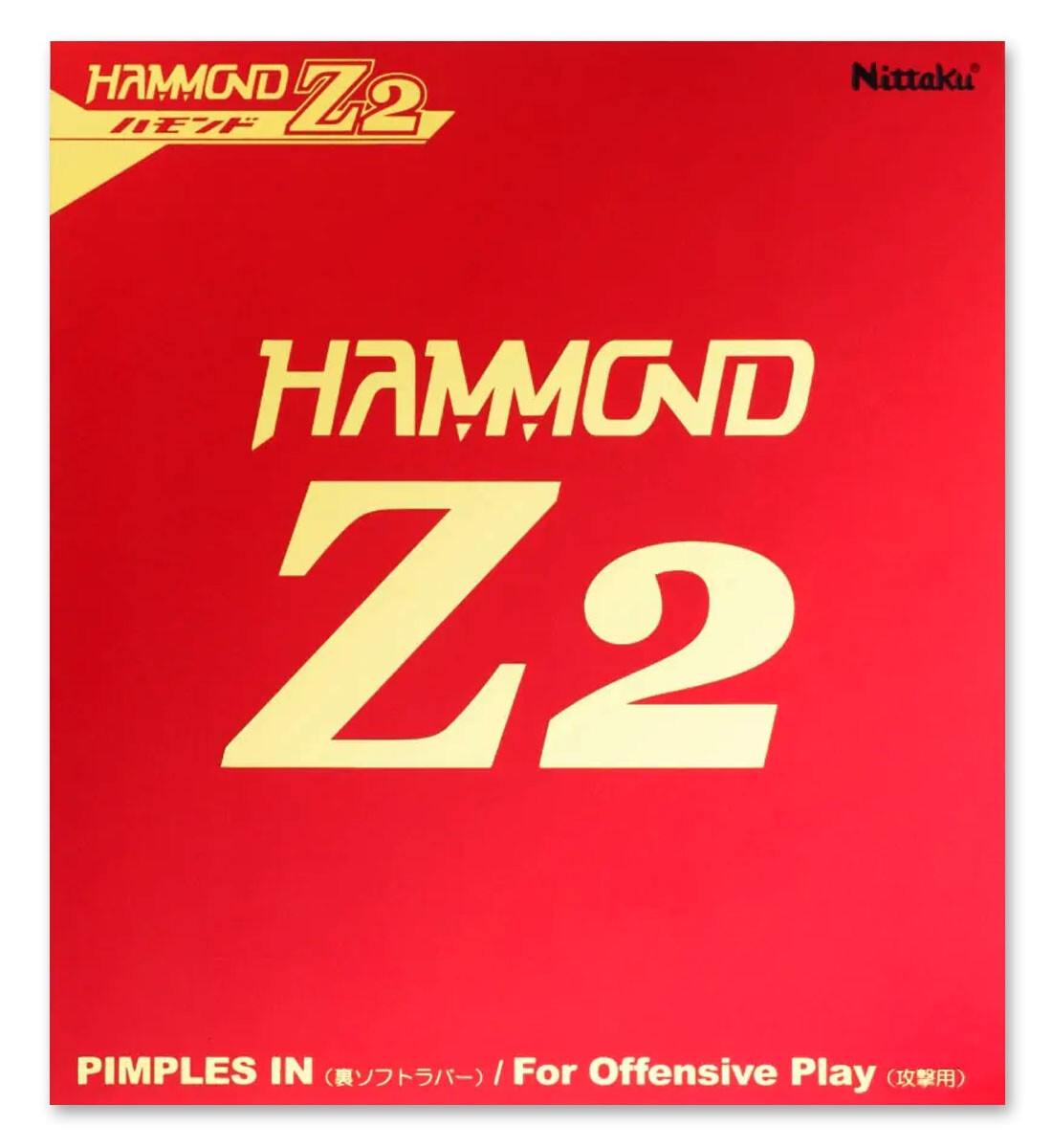
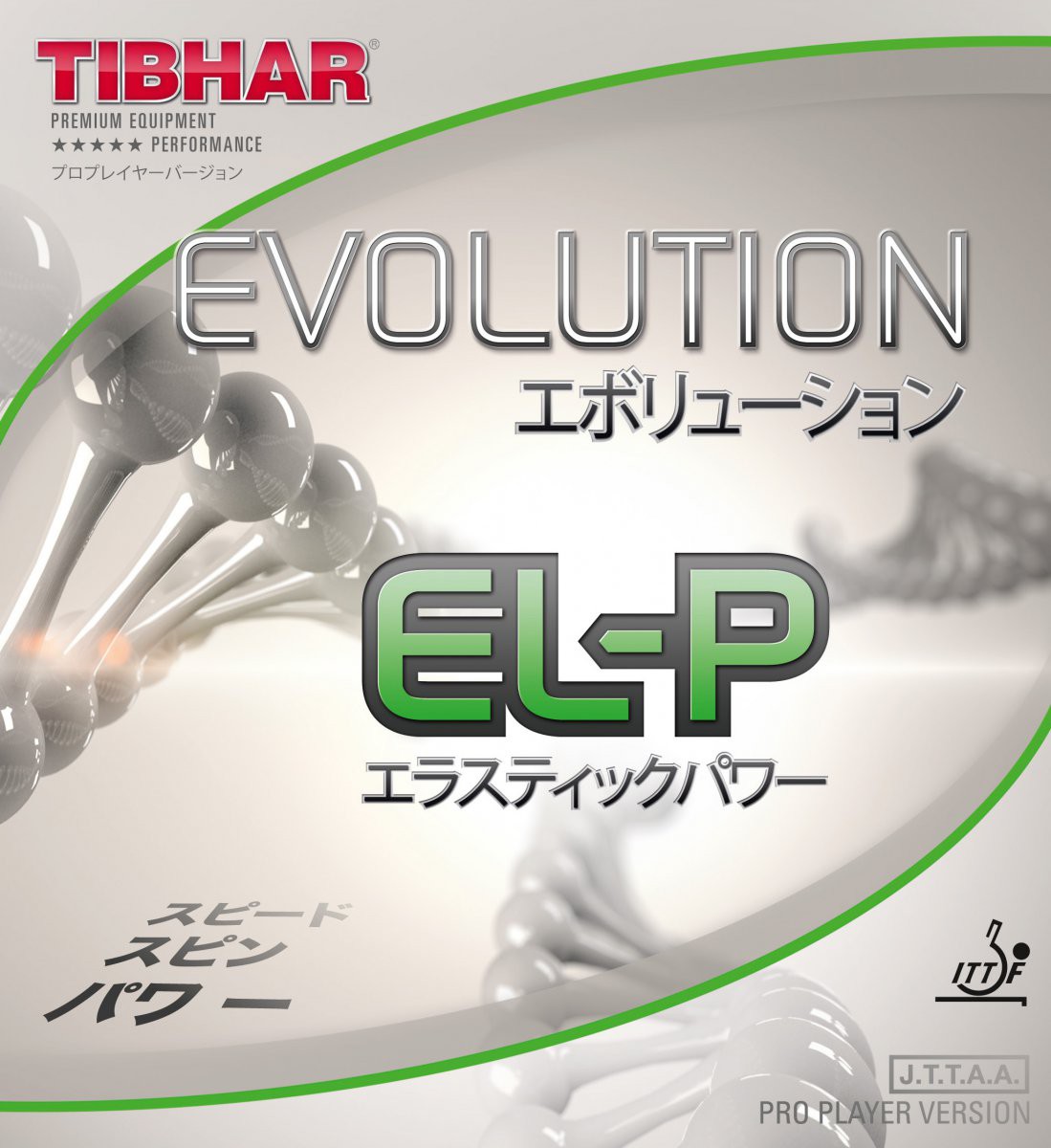
We may earn a commission from links on this page. Learn more.
Both premium European-sourced tensors but with opposite approaches. Nittaku Hammond Z2 is a hard Japanese tensor (52 degrees) delivering exceptional looping and counterlooping power, above-average durability versus ESN tensors, distinctive non-ESN character, excellent serve spin. Made in Japan. Demands active, well-timed strokes and is very unforgiving of passive contact.
Tibhar Evolution EL-P is a balanced tensor (43.5 ESN, approximately 35 Shore A) splitting the difference between MX-P and FX-P. Genuinely balanced character with easy spin generation, grippy chewy feel, excellent control and superb blocking that absorbs incoming speed. Catapult delivers surprising pace when accelerating. Versatile across all shots. Works especially well on both wings, favored for backhand.
Z2 targets upper-intermediate and advanced forehand specialists using active strokes and needing consistent performance. EL-P targets developing and intermediate all-round attackers prioritizing control, consistency and easy spin over raw speed.
FAQ
Which is harder?
Z2 at 52 degrees is significantly harder than EL-P at 43.5 ESN.
Which offers easier spin?
EL-P is built for easy spin generation. Z2 demands technique to access spin.
Which suits both wings better?
EL-P works very well on both wings, especially backhand. Z2 is optimized for forehand.
Which is more durable?
Both offer good durability. Z2 is above-average versus ESN; EL-P is reliable but loses spin when dusty.
Which suits intermediate all-rounder players?
EL-P is excellent for all-rounders prioritizing consistency. Z2 is aggressive and demands active technique.