Nittaku Hammond Z2 vs Stiga DNA Pro M: Which Should You Buy?
| Nittaku Hammond Z2 | Stiga DNA Pro M | |
|---|---|---|
| Our rating | 8.8/10 | 8.5/10 |
| best_side | forehand | Forehand or Backhand |
| control | 7.5 | High |
| speed | 9.0 | OFF+ |
| spin | 9.5 | Very High |
| sponge_hardness | 52 | 47.5 degrees ESN |
| type | inverted | Inverted / Pimples-In |
| weight_uncut_g | 70 | 69 |
We may earn a commission from links on this page. Learn more.
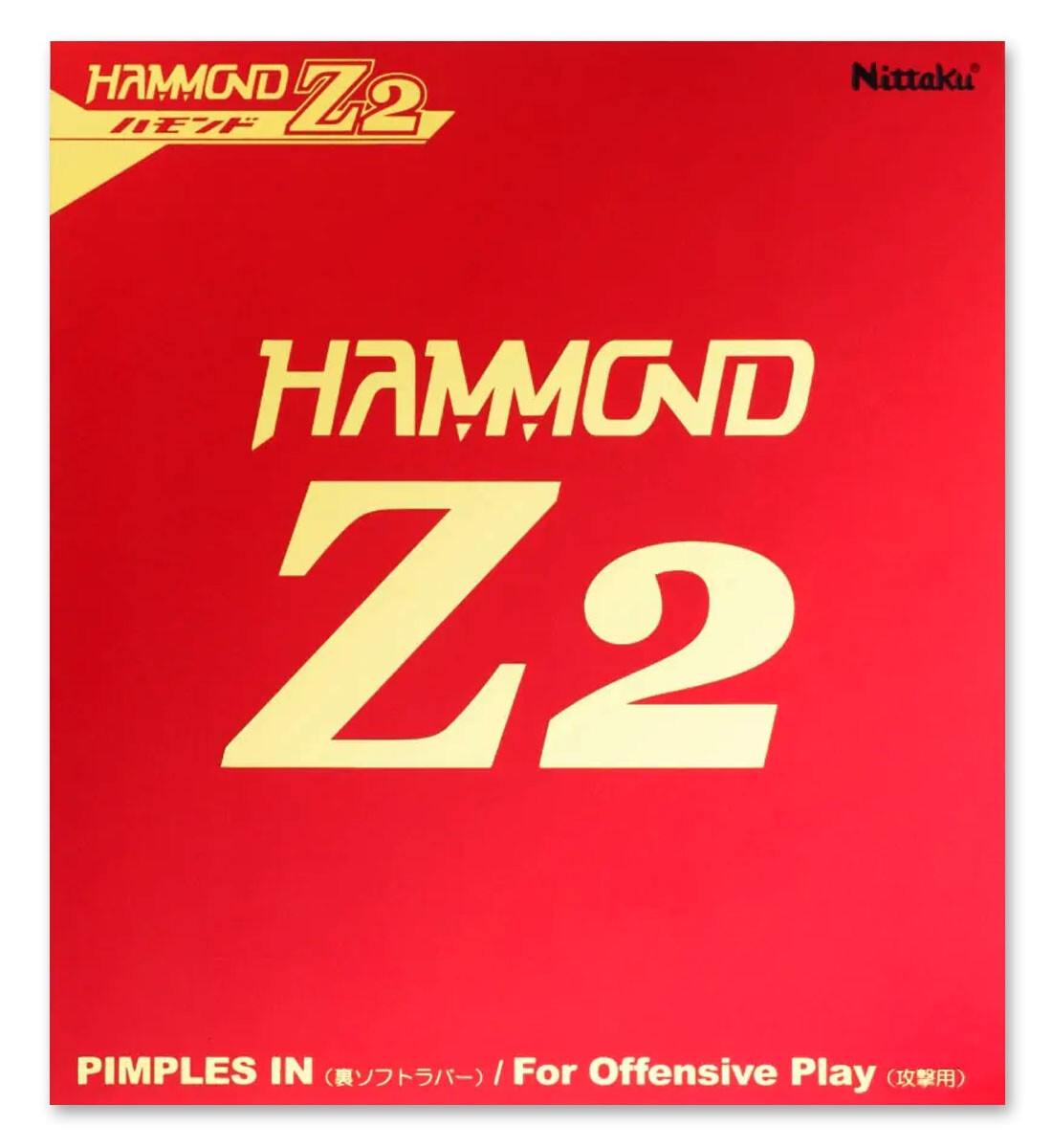
Both premium tensors but with different market positioning. Nittaku Hammond Z2 is a hard Japanese tensor (52 degrees) delivering exceptional looping and counterlooping power, above-average durability versus ESN tensors, distinctive non-ESN character, excellent serve spin. Made in Japan. Demands active, well-timed strokes; very unforgiving of passive contact.
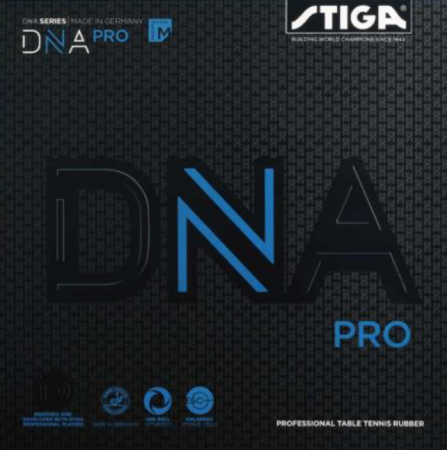
Stiga DNA Pro M is an ESN tensor (47.5 degrees) offering outstanding balance of speed and spin. Forgiving medium-high arc reduces net errors, very grippy topsheet generates excellent spin with modest effort. Strong close-to-table control. Suitable for both forehand and backhand. Trade-off: easy to over-brush and send long; tackiness fades faster; durability averages only four to five months; now discontinued with limited stock.
Z2 targets upper-intermediate and advanced forehand specialists using active strokes. DNA Pro M targets intermediate to advanced players wanting high-performing ESN tensor rewarding correct technique on either wing.
FAQ
Which is harder?
Z2 at 52 degrees is harder than DNA Pro M at 47.5 degrees.
Which is more forgiving?
DNA Pro M: forgiving medium-high arc and grippy topsheet. Z2 is very unforgiving of passive contact.
Which suits both wings?
DNA Pro M is suitable for forehand and backhand. Z2 is optimized for forehand.
Which is more durable?
Z2 offers above-average durability versus ESN. DNA Pro M averages four to five months; now discontinued.
Which suits beginners?
Neither suits true beginners. DNA Pro M is more beginner-intermediate friendly than Z2’s aggressive demands.