Nittaku Hammond Z2 vs Stiga DNA Pro H: Which Should You Buy?
| Nittaku Hammond Z2 | Stiga DNA Pro H | |
|---|---|---|
| Our rating | 8.8/10 | 8.8/10 |
| Best side | Forehand | Forehand |
| Control | 7.5 | 8 |
| Speed | 9.0 | 9 |
| Spin | 9.5 | 9 |
| Sponge hardness | 52° | 50 degree |
| Type | inverted | inverted |
| Uncut weight | 70 g | 54 g |
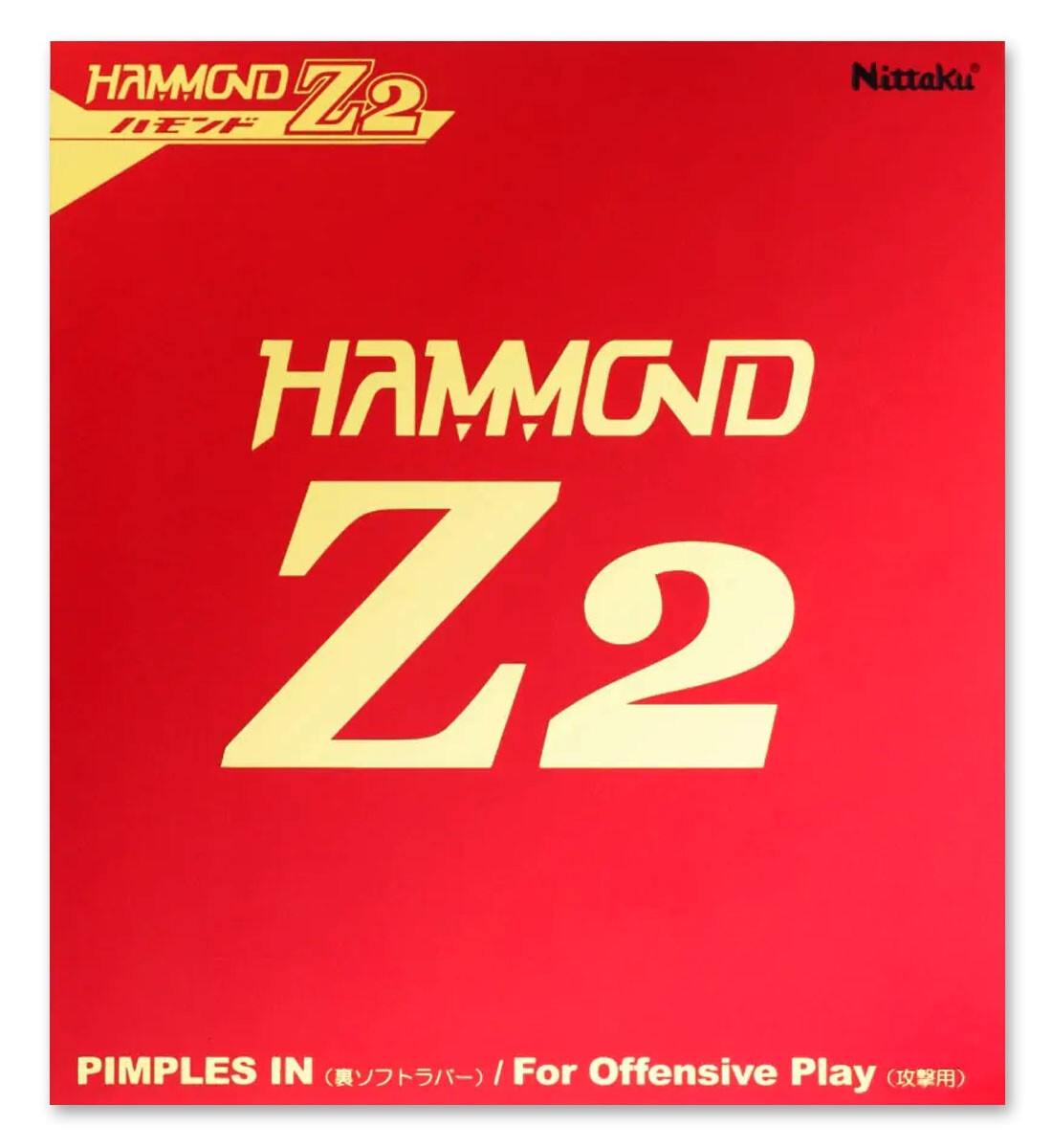
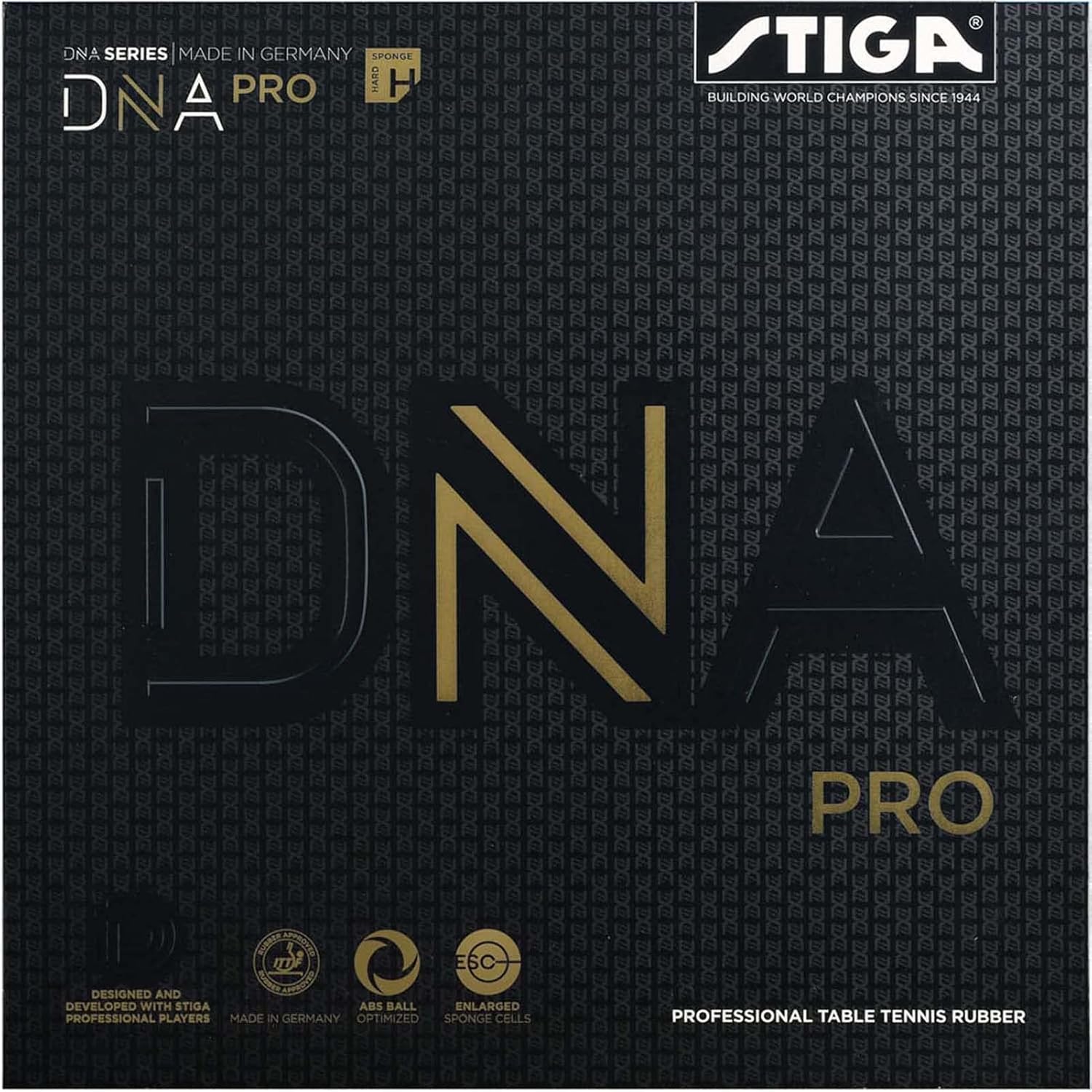
We may earn a commission from links on this page. Learn more.
Same overall rating, different axis picture
Both of these rubbers carry an identical overall rating of 8.8, which on its own tells you almost nothing about how they actually compare. Break it down by axis and a pattern appears: the Hammond Z2 leads on speed (9.3 versus 8.8, a 0.5 gap), spin (9.3 versus 8.6, a 0.7 gap), control (9.1 versus 8.4, a 0.7 gap), and durability (8.1 versus 7.1, a full 1.0-point gap), while the two are essentially tied on throw (6.5 versus 6.2, a 0.3 gap) and tackiness (2.1 versus 1.9, a 0.2 gap). In other words, the identical headline rating is masking a real, consistent edge for the Hammond Z2 across four of six axes. That is exactly the kind of gap a single overall score cannot show you.
Durability is the gap most players will actually notice
A 1.0-point durability difference (8.1 versus 7.1) is the largest gap in this pairing, and durability is one of the axes players feel most directly, in wear time before a rubber needs replacing. Reviewers describe the Hammond Z2 as having “above-average durability compared to typical ESN tensors,” while the DNA Pro H’s own cons do not make an equivalent durability claim, focusing instead on control and loop power against heavy backspin being only average. If cost-per-month of ownership matters to you, this gap is worth weighing alongside the sticker price of each sheet.
The weight difference nobody puts in the headline pros and cons
Neither rubber’s pros or cons explicitly discusses weight, but the spec data tells a clear story: the Hammond Z2 is listed at 70 grams uncut, the DNA Pro H at 54 grams, a 16-gram gap. The DNA Pro H’s own cons independently confirm it runs heavy for its class, “51-54g uncut may unbalance lighter setups,” which means the Hammond Z2, at 70 grams, is heavier still. That is a meaningful amount of weight to add to a racket, especially paired with a blade on the heavier end, and it is worth testing on your own setup before assuming “similar rating” means “similar handling feel.”
What each rubber is reviewed as being for
The Hammond Z2, per Revspin, Racket Insight and Reddit, is described as an upper-intermediate to advanced offensive rubber with “exceptional looping and counterlooping power,” made in Japan for a distinctive non-ESN character, with active blocks and smashes rated as “extremely dangerous” and excellent serve spin generation. Its cons are specific about who it does not suit: it “demands active, well-timed strokes” and is “very unforgiving of passive contact,” and reviewers note it as “not as naturally explosive as Tenergy 05 nor as maximally grippy as Dignics 05,” better suited to OFF-minus or flexible blades than stiff carbon setups. The DNA Pro H, reviewed across Revspin, Tabletennis11, Tabletennis-Reference and Table Tennis Hub, earns praise for a “crisp, direct feel,” a high throw angle that makes topspin attacks safer over the net, and grip and spin rated 9.03 out of 10 across community reviews, marketed and reviewed as a cost-effective alternative to Tenergy 80 at around 95 percent of its performance.
Should you switch
Both rubbers are explicitly forehand-oriented per their listed best side, so this is not a forehand-versus-backhand decision, it is a question of playstyle and physical setup. If you already play the DNA Pro H and want more durability, spin, and control headroom, and you are comfortable adding roughly 16 grams to your racket, the Hammond Z2’s axis advantages are real and consistent. If you are on the Hammond Z2 and want a notably lighter racket without sacrificing much on throw or tackiness, which are nearly tied between the two, the DNA Pro H is a reasonable lateral move, understanding you are trading away some durability, control and spin ceiling to get there.
Bottom line
Do not let the identical 8.8 overall rating fool you into thinking these rubbers are interchangeable. The Hammond Z2 is ahead on four of six real axes, most notably a full point on durability, and it is meaningfully heavier. The DNA Pro H’s case rests on being lighter and on delivering roughly Tenergy 80-level performance at a lower price, not on beating the Hammond Z2’s numbers outright.
Frequently asked questions
Both rubbers have the same 8.8 rating. Are they actually the same?
No. Broken down by axis, the Hammond Z2 leads on speed, spin, control, and especially durability (a full 1.0-point gap), while the two are essentially tied on throw and tackiness. The identical headline rating hides a real, consistent edge for the Hammond Z2.
Which rubber is lighter?
The Stiga DNA Pro H, at 54 grams uncut against the Nittaku Hammond Z2's 70 grams, a 16-gram gap. The DNA Pro H's own listed cons note that even at 54 grams it can feel heavy for its class, so factor that into your blade choice either way.
Which rubber is more forgiving for passive or defensive play?
Neither is a great match. The Hammond Z2's cons specifically state it is very unforgiving of passive contact and demands active, well-timed strokes; the DNA Pro H is also reviewed as a direct, speed-first rubber for a complete loop game, not a passive or defensive setup.
Is the Stiga DNA Pro H really comparable to Tenergy 80?
Reviews describe it as a cost-effective alternative delivering around 95 percent of Tenergy 80's performance, which is a strong claim worth verifying against your own budget priorities, though it is not presented as matching Tenergy 80 exactly.