Nittaku Fastarc S-1 vs Tibhar Evolution EL-S: Which Should You Buy?
| Nittaku Fastarc S-1 | Tibhar Evolution EL-S | |
|---|---|---|
| Our rating | 7.9/10 | 8.5/10 |
| best_side | forehand or backhand | either |
| control | 70 | 86 |
| speed | 97 | 87 |
| spin | 96 | 90 |
| sponge_hardness | 35 degrees | medium-hard |
| type | inverted | tensor |
| weight_uncut_g | around 41-43g | 74 |
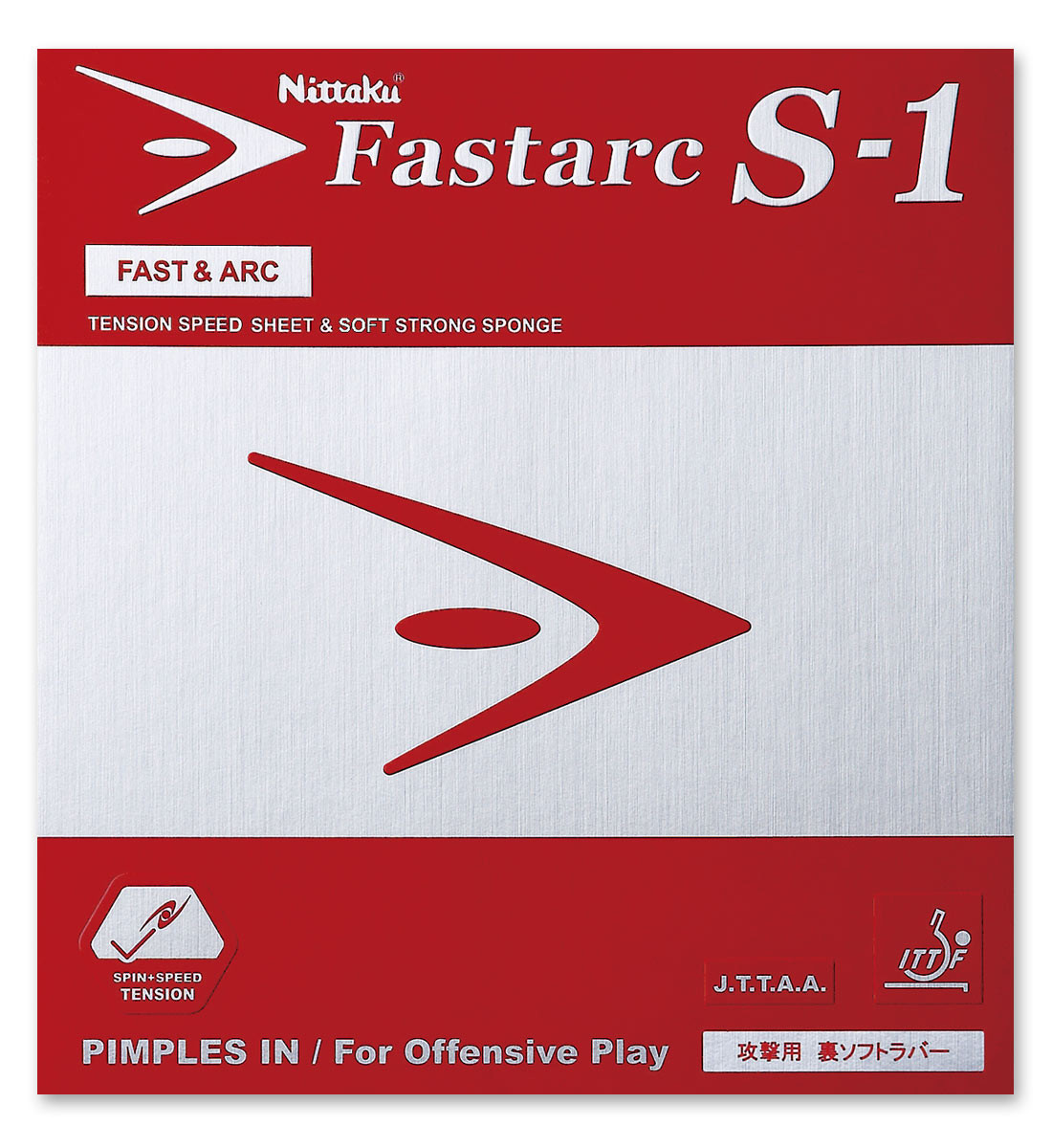
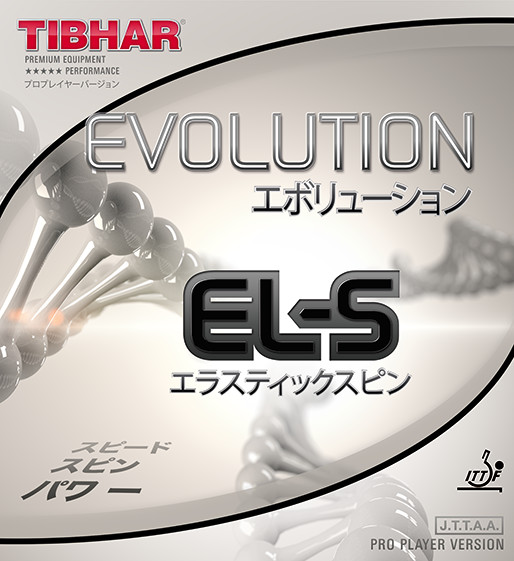
We may earn a commission from links on this page. Learn more.
The Nittaku Fastarc S-1 and Tibhar Evolution EL-S both target intermediate to advanced players but excel in different areas. The S-1 is genuinely lightweight, typically under 43g uncut, and combines tensor speed with accessibility. It features a soft 35-degree sponge, grippy non-tacky topsheet, and excellent blocking stability, making it ideal for players transitioning from beginner rubbers who want real pace without excessive stiffness. The medium-high throw angle aids loop clearance, and the price-to-performance ratio is exceptional for a tensor.
The Tibhar EL-S takes a different path, prioritizing spin and control over lightweight playability. With a spin rating of 90 versus the S-1 spin output noted as noticeably lower in practice, the EL-S spin is more potent against serious spin. Its 86 control rating significantly exceeds the S-1 at 70, and its 9.5 out of 10 short-game performance far exceeds the S-1, which requires good technique for serve-return and side-spin variation. The EL-S is heavier at 74g uncut, but that weight translates to reliability on faster attacks.
Choose the S-1 if weight and accessibility matter most, or if you are still developing your looping technique and want a forgiving, pace-oriented tensor. Pick the EL-S if you are a serious attacker who wants the highest spin-control combination and is willing to accept greater weight and shorter rubber lifespan.
FAQ
Which rubber is lighter?
The Nittaku Fastarc S-1 is substantially lighter at around 41 to 43g uncut versus the Tibhar EL-S at 74g. If you are sensitive to blade weight or play with a light blade, the S-1 is a clear advantage.
Why does spin output matter if both are tensors?
Spin output determines how aggressively you can attack heavy backspin serves and loops. The EL-S higher spin ceiling allows more consistent looping against strong spin, while the S-1 lower spin output makes counter-topspin against heavy spin feel limited.
Can the S-1 work as an all-court rubber?
Yes, the S-1 is explicitly marketed as an all-round attacker option for forehand or backhand. The EL-S is also versatile but leans slightly toward backhand due to superior control.
Is the S-1 good for players stepping up from beginner rubbers?
The S-1 is excellent for this transition because it is lightweight, forgiving, and accessible despite being a true tensor. The EL-S is also suitable but more demanding; it rewards serious technique and commitment more than the S-1.