Nittaku Fastarc P-1 vs Tibhar Quantum X Pro: Which Should You Buy?
| Nittaku Fastarc P-1 | Tibhar Quantum X Pro | |
|---|---|---|
| Our rating | 7.8/10 | 8.5/10 |
| best_side | forehand | both |
| control | 8.5 | medium |
| speed | 15.5 | very high |
| spin | 12.25 | very high |
| sponge_hardness | 47.5 degrees | 47.5 degrees |
| type | tensor | tensor |
| weight_uncut_g | 70 | 70 |
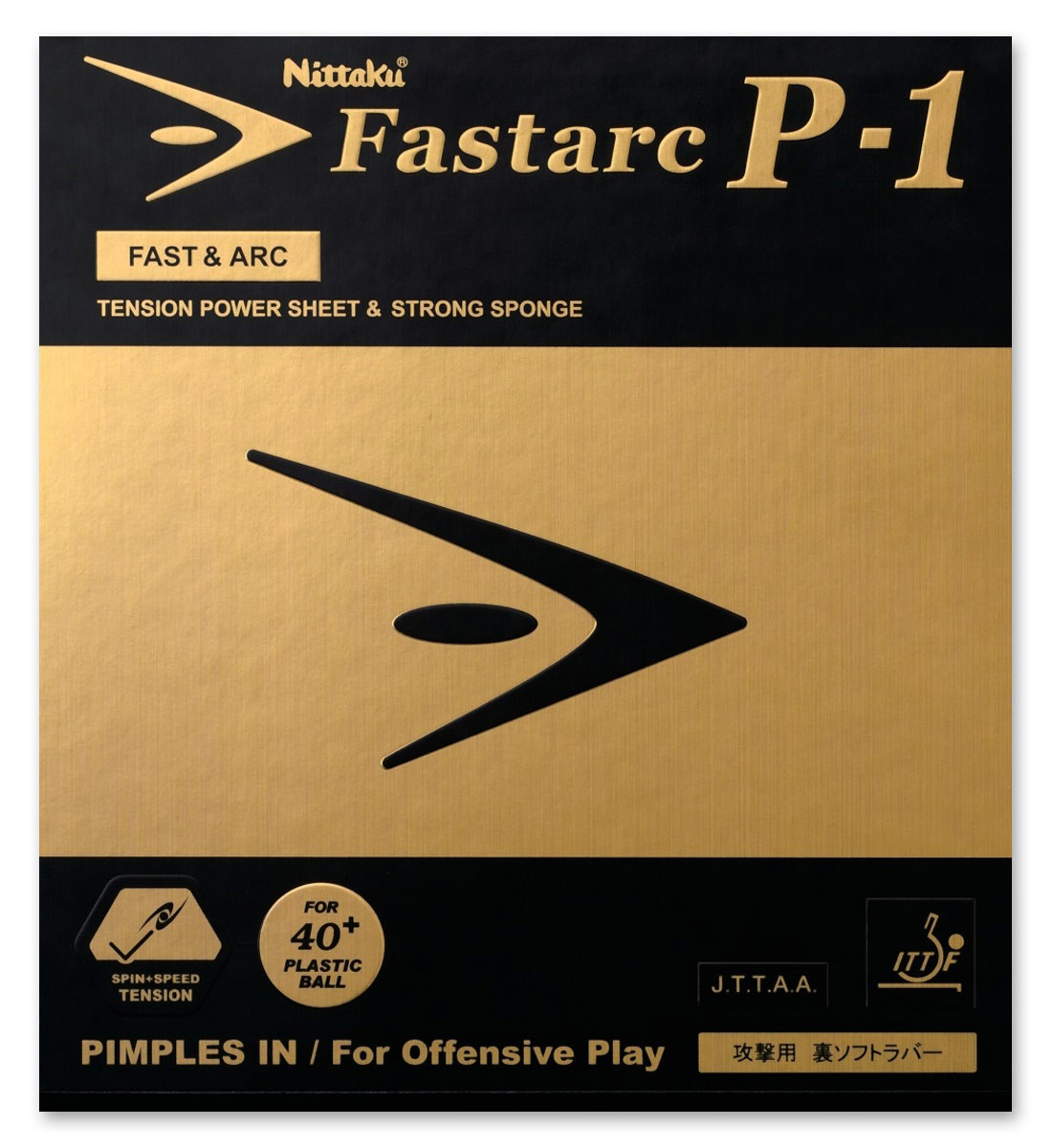
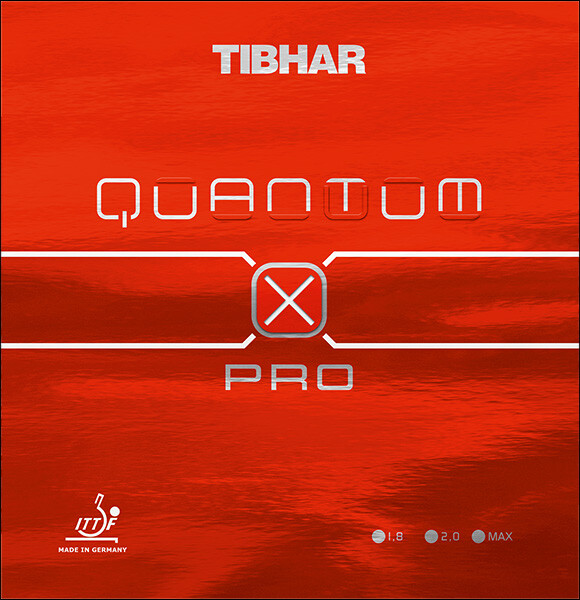
We may earn a commission from links on this page. Learn more.
Tibhar Quantum X Pro rates 8.5 and excels on the backhand with exceptional low sensitivity to incoming spin, making blocking and countering highly reliable. It offers moderate to heavy spin on demand without extreme swing speed and is light for a MAX tensor. Its high safety margin on loops against backspin makes it forgiving for a hard sponge.
Fastarc P-1 is forehand-focused with higher throw and different character. Quantum X Pro shines near-table on carbon and composite blades but struggles from mid-distance and far-table play.
Quantum X Pro suits intermediate to advanced players prioritizing backhand control and consistency on carbon blades. Fastarc P-1 is better for forehand specialists. Neither rubber is ideal for beginners or mid-distance play.
FAQ
Is Quantum X Pro mainly for backhand?
Exceptional backhand performance is the key strength. Forehand performance does not fully justify the price.
What is the distance range?
Quantum X Pro is built for near-table aggression. It struggles from mid-distance and far play.
Does it work on all-wood blades?
It is optimized for carbon and composite blades.
Weight comparison?
Quantum X Pro is light for a MAX tensor at around 47.7g uncut.
Who uses Quantum X Pro?
Professional player Bernadette Szocs uses it, proving elite-competition capability.