Nittaku Fastarc P-1 vs Tibhar Evolution FX-P: Which Should You Buy?
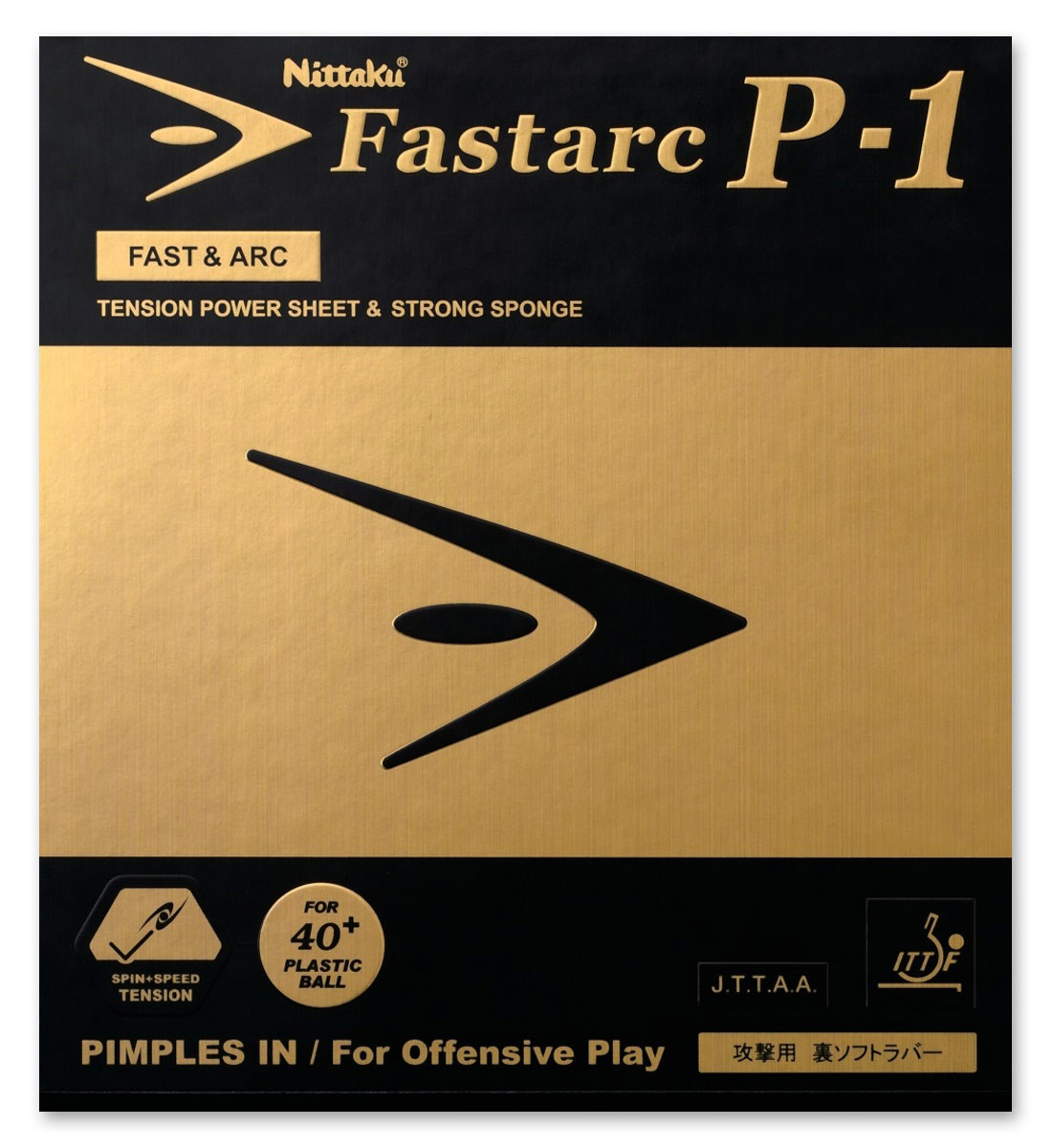
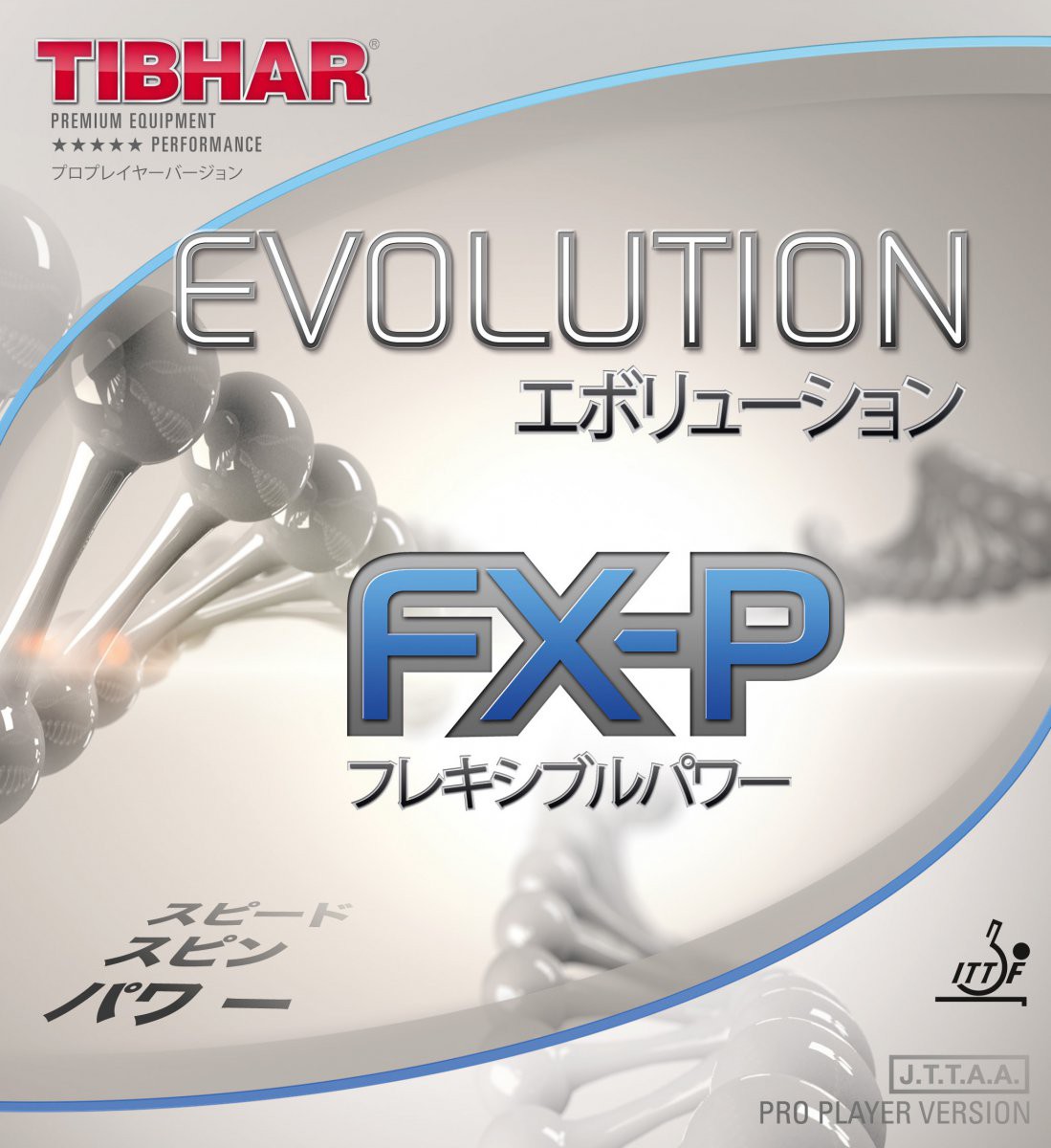
| Nittaku Fastarc P-1 | Tibhar Evolution FX-P | |
|---|---|---|
| Our rating | 7.8/10 | 8.4/10 |
| best_side | forehand | Backhand or allround forehand |
| control | 8.5 | 68 |
| speed | 15.5 | 94 |
| spin | 12.25 | 98 |
| sponge_hardness | 47.5 degrees | approx 40 degrees (softest in Evolution line) |
| type | tensor | Inverted / tensor |
| weight_uncut_g | 70 | 68 |
We may earn a commission from links on this page. Learn more.
Tibhar Evolution FX-P rates 8.4 and prioritizes outstanding spin generation and extremely high error forgiveness. Its soft sponge at approximately 40 degrees offers exceptional dwell time and works brilliantly on both forehand and backhand. It excels across loops, pushes, blocks, and serves with great value versus premium alternatives.
Fastarc P-1 is more linear, demanding, and faster. Both are tensor inverted rubbers, but FX-P is softer and significantly more forgiving on mishits.
FX-P suits intermediate to upper-intermediate all-round players prioritizing consistency over speed, especially on softer blades. Fastarc P-1 is better for advanced forehand specialists. FX-P caps out for aggressive hitters seeking maximum speed.
FAQ
Can I use FX-P on backhand?
Yes, FX-P works brilliantly on both wings. Fastarc P-1 is forehand-focused.
Which is more forgiving?
FX-P is extremely forgiving with high return rate. Fastarc P-1 is less forgiving.
Speed ceiling?
FX-P has limited top-end speed. Fastarc P-1 is faster.
Backspin lifting?
FX-P struggles to lift heavy backspin from mid and far distance.
Durability?
FX-P durability varies. Fastarc P-1 is more consistently durable.