Nittaku Fastarc P-1 vs Palio CJ8000 2-Side Loop: Which Should You Buy?
| Nittaku Fastarc P-1 | Palio CJ8000 2-Side Loop | |
|---|---|---|
| Our rating | 7.8/10 | 7.8/10 |
| best_side | forehand | forehand or backhand |
| control | 8.5 | 8.5 |
| speed | 15.5 | 7 |
| spin | 12.25 | 8.5 |
| sponge_hardness | 47.5 degrees | 36-38 deg |
| type | tensor | inverted |
| weight_uncut_g | 70 | 57 |
We may earn a commission from links on this page. Learn more.
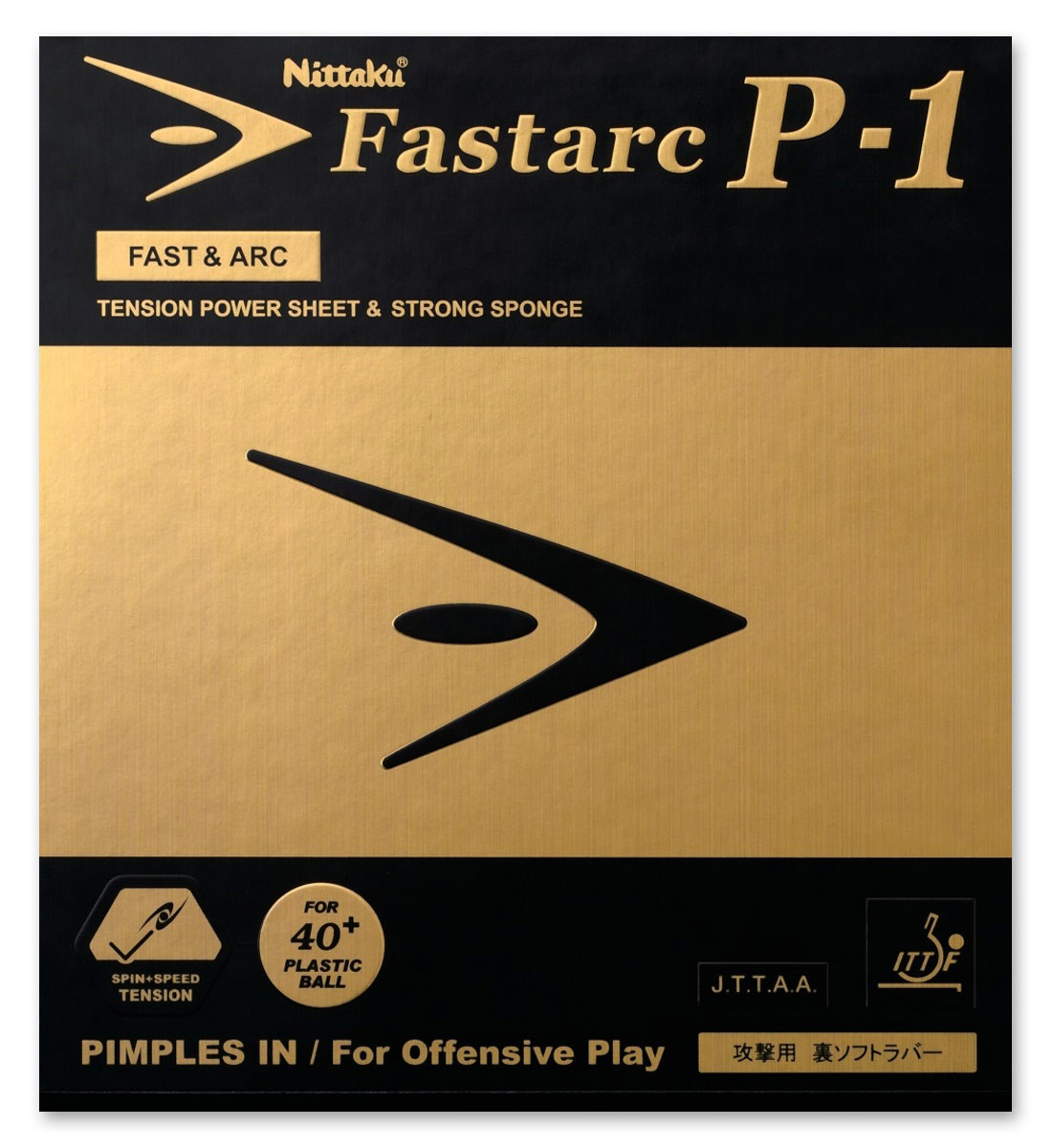
Fastarc P-1 is an advanced tensor that punishes technical shortcuts and rewards full, committed topspin strokes with impressive spin output and a safe high arc.
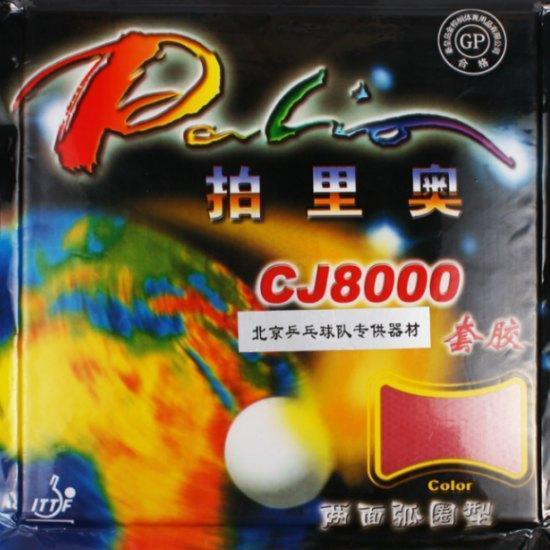
CJ8000 2-Side Loop targets true beginners and lower-intermediate players. Its soft topsheet makes opening backspin achievable without extensive training, and it responds well to paraffin oil boosting for gradual progression. However, durability is limited and speed gains require dedicated technique work.
Fastarc P-1 suits advanced forehand specialists who already have looping mechanics. CJ8000 suits developing players focused on building fundamentals without paying premium prices. The two serve very different player archetypes and stages of progression.
FAQ
Can a beginner use Fastarc P-1?
Technically yes, but it is not recommended. Fastarc P-1 is very linear and unforgiving. Beginners see weak results from imperfect strokes.
Which handles backspin better?
CJ8000 2-Side Loop has a softer topsheet designed for accessible backspin lifts. Fastarc P-1 requires greater precision.
Speed and spin comparison?
Fastarc P-1 rates 15.5 speed and 12.25 spin. CJ8000 rates 7 speed and 8.5 spin. Fastarc is significantly faster.
Which is more durable?
Fastarc P-1 is German-made and built to last months of heavy use. CJ8000 durability is limited, especially red sheet.