Nittaku Fastarc G-1 vs Yasaka Rakza 7 Soft: Which Should You Buy?
| Nittaku Fastarc G-1 | Yasaka Rakza 7 Soft | |
|---|---|---|
| Our rating | 8.8/10 | 8.2/10 |
| best_side | both | backhand or both |
| control | medium-high | 9+ (Yasaka scale) |
| speed | 15.0 (Nittaku) | 11 (Yasaka scale) |
| spin | 12.5 (Nittaku) | 14+ (Yasaka scale) |
| sponge_hardness | 47.5° | 40 degrees (37-42 ESN range) |
| type | tensor inverted | tensor/inverted |
| weight_uncut_g | 69 | approximately 42-44g |
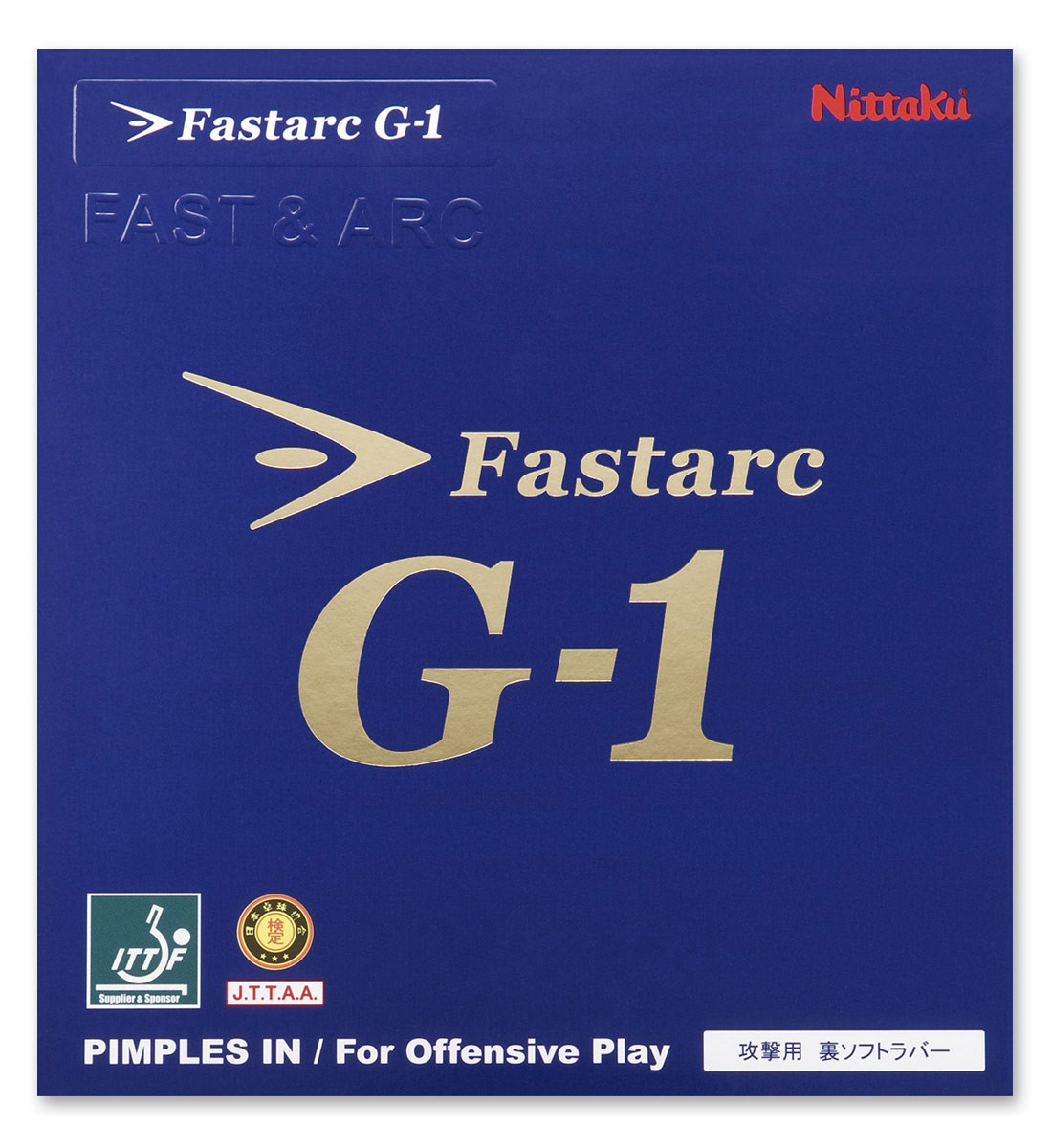
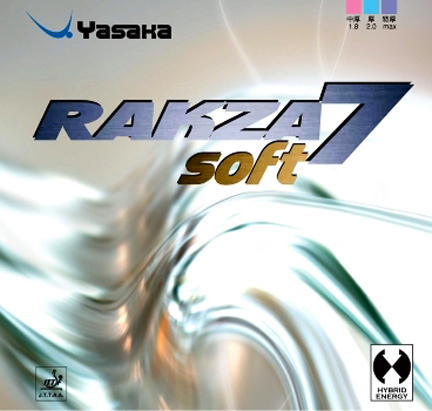
We may earn a commission from links on this page. Learn more.
Nittaku Fastarc G-1 delivers heavy spin and real speed with a forgiving high arc, versatility on either wing, and Tenergy-class durability. Its balanced character suits intermediate to advanced attackers prioritizing spin and consistency.
Yasaka Rakza 7 Soft emphasizes exceptional control and high spin production with soft sponge (40 degrees) and high throw angle. Its forgiving character suits intermediate loopers and developing all-round players, especially on the backhand. Rakza 7 Soft sacrifices speed for control; G-1 balances spin with pace.
FAQ
Which suits the backhand better?
Rakza 7 Soft. Its soft sponge and high throw angle excel on the backhand. G-1 is versatile on both wings.
Which has more control?
Rakza 7 Soft (9+ Yasaka scale) prioritizes control. G-1 (medium-high control) balances control with speed and spin.
Which is faster?
G-1 (15.0 Nittaku) is faster than Rakza 7 Soft (11 Yasaka). Choose G-1 if pace matters.
Which lasts longer?
G-1 has proven Tenergy-class durability. Rakza 7 Soft is also durable but less historically proven.
Which suits competitive play?
G-1 is proven at competitive intermediate-to-advanced levels. Rakza 7 Soft suits competitive development and all-round attacking.