Nittaku Fastarc G-1 vs Victas V>15 Extra: Which Should You Buy?
| Nittaku Fastarc G-1 | Victas V>15 Extra | |
|---|---|---|
| Our rating | 8.8/10 | 8.4/10 |
| best_side | both | forehand |
| control | medium-high | 81 |
| speed | 15.0 (Nittaku) | 94 |
| spin | 12.5 (Nittaku) | 88 |
| sponge_hardness | 47.5° | 47.5 degrees |
| type | tensor inverted | inverted |
| weight_uncut_g | 69 | 70 |
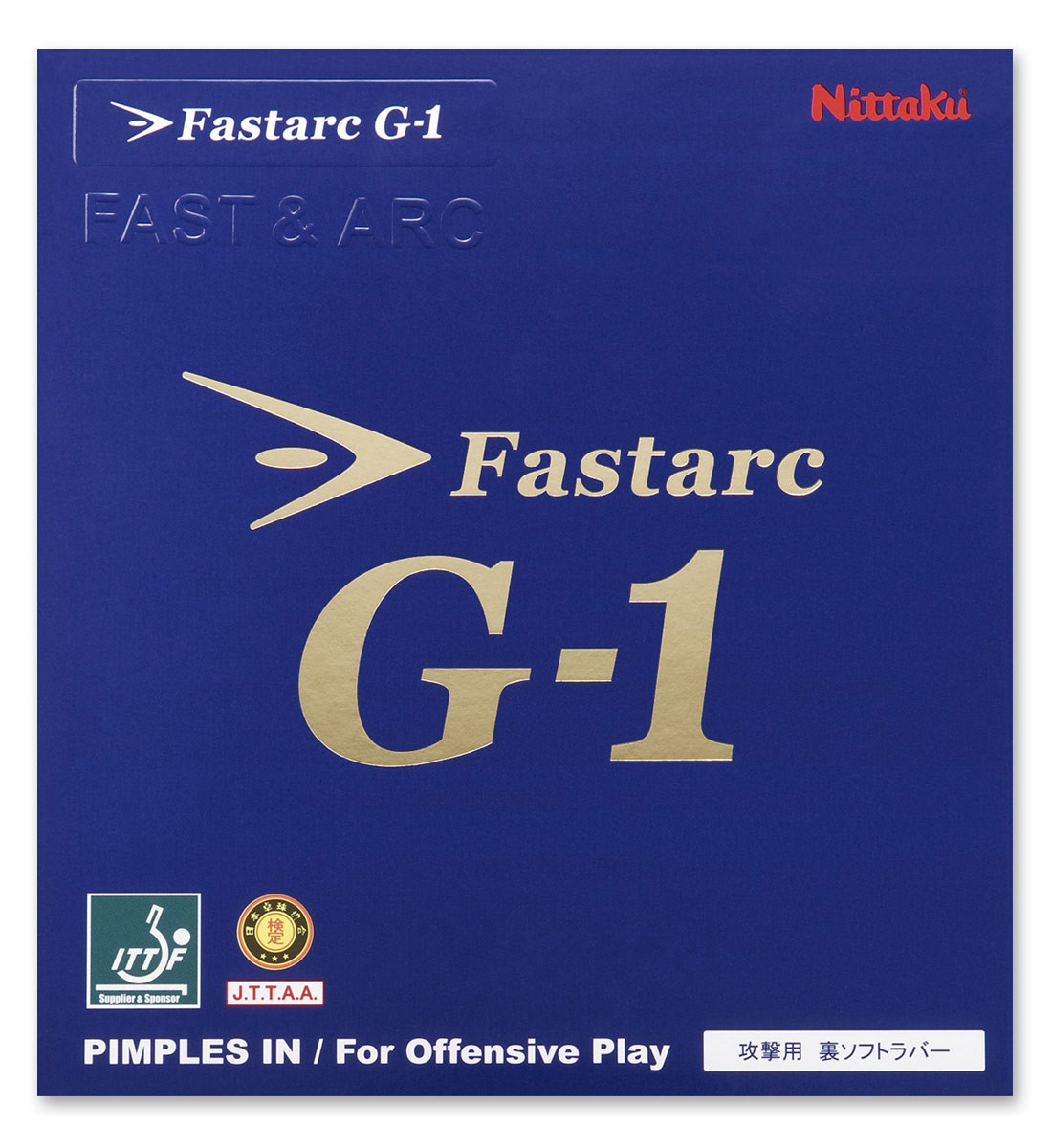
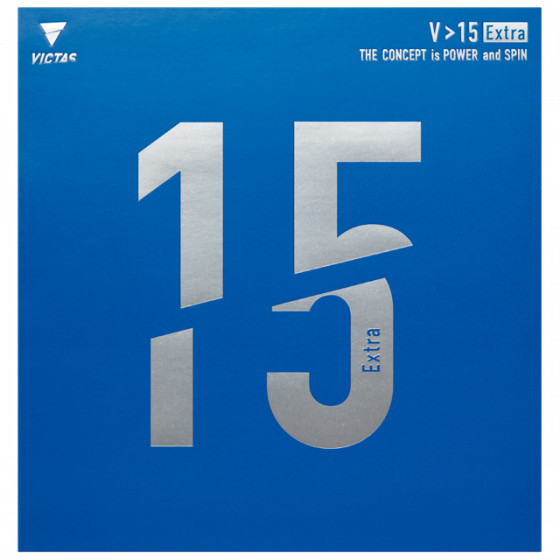
We may earn a commission from links on this page. Learn more.
Choose Fastarc G-1 (8.8 rating) for all-court dominance—heavy spin, forgiving arc, and durability on either wing. Choose V>15 Extra (8.4 rating) if you’re a forehand attacker willing to sacrifice backhand comfort for explosive topspin speed and three-gear performance.
G-1 is the universal choice: proven, spinny, and safe everywhere. V>15 Extra is a demanding German tensor optimized for forehand aggression. It has a harder sponge (47.5 degrees, matching G-1) but less arc—errors get amplified. G-1 throws higher and is safer. V>15 Extra spins harder on flat drives and serves but inconsistent on blocks. Both cost less than Tenergy 05, but G-1 is the smarter all-rounder, while V>15 Extra suits specialists.
FAQ
Which is better for backhand play?
Fastarc G-1 by far. V>15 Extra blocks inconsistently on backhand and requires precise angles, making it forehand-centric.
Which spins harder?
Both are spinny, but V>15 Extra’s high-grip topsheet gives edge on hard topspin strokes. G-1 is more consistent across stroke types.
How sensitive are these to incoming spin?
V>15 Extra has unusually low spin sensitivity, making it easier to attack backspin. G-1 is stable but more reactive to incoming spin.
Which topsheet lasts longer?
Both vary, but V>15 Extra users report accelerated wear in some cases. G-1 is more consistently durable over time.