Nittaku Fastarc G-1 vs Stiga DNA Pro H: Which Should You Buy?
| Nittaku Fastarc G-1 | Stiga DNA Pro H | |
|---|---|---|
| Our rating | 8.8/10 | 8.8/10 |
| Best side | Both wings | Forehand |
| Control (different scales) | medium-high | 8 |
| Speed (different scales) | 15.0 (Nittaku) | 9 |
| Spin (different scales) | 12.5 (Nittaku) | 9 |
| Sponge hardness | 47.5° | 50 degree |
| Type | tensor inverted | inverted |
| Uncut weight | 69 g | 54 g |
A row marked “different scales” puts two rating systems in one line. Those cells are not a single score you can subtract.
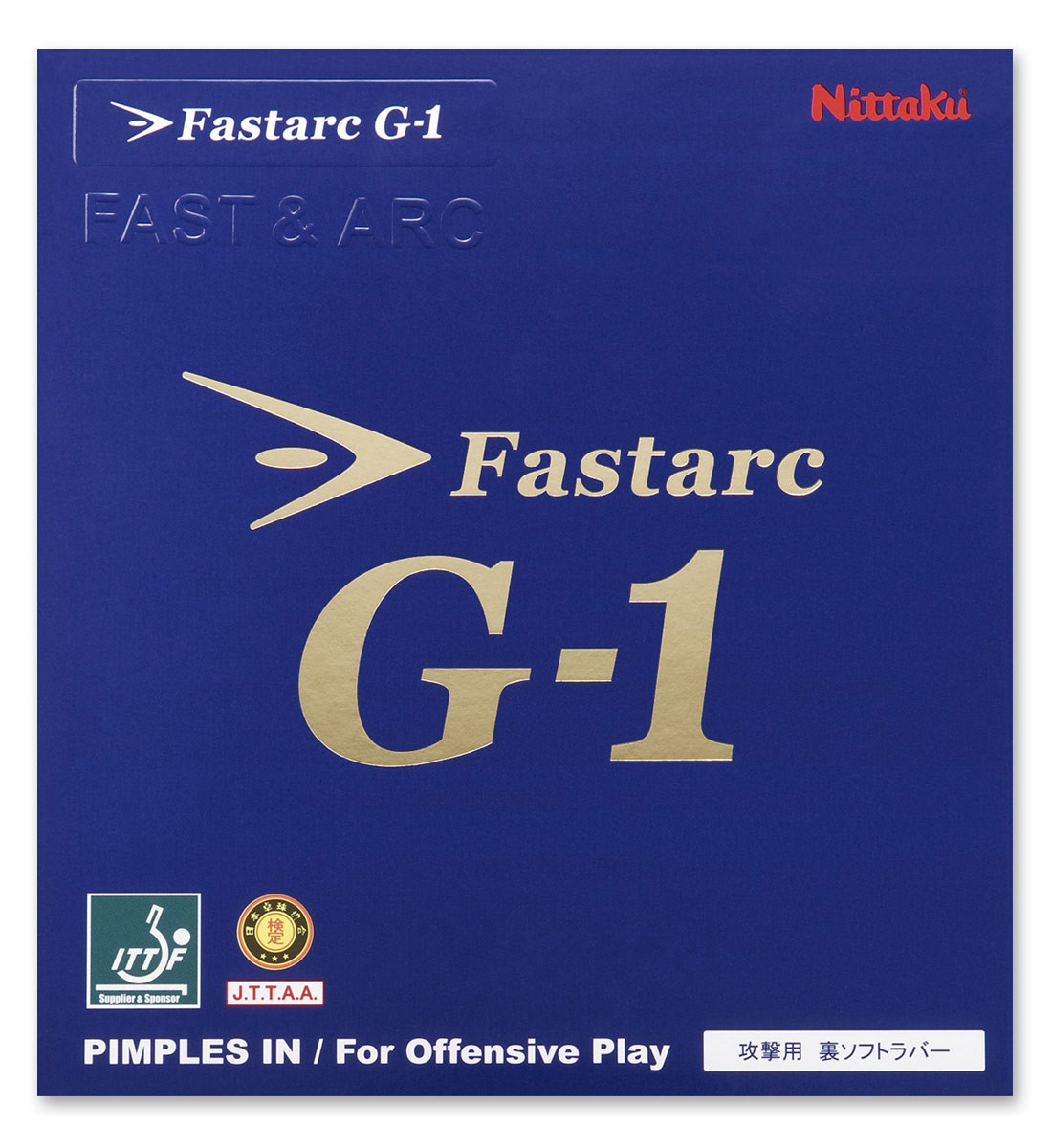
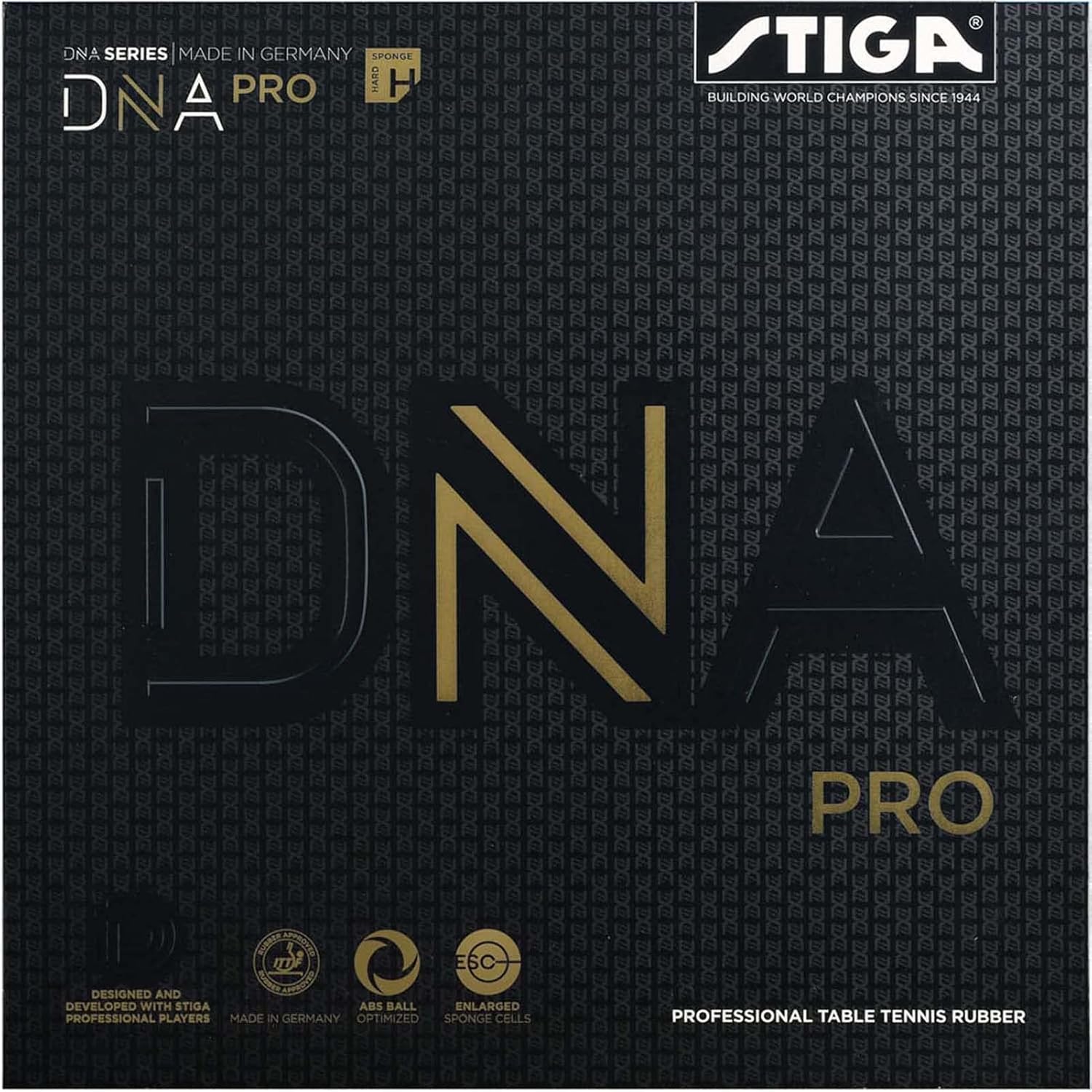
We may earn a commission from links on this page. Learn more.
Same Rating, Very Different Shot Tolerance
Nittaku Fastarc G-1 and Stiga DNA Pro H both land on an 8.8 overall rating, a dead tie. But buried in the axis data is the single largest gap anywhere in this whole set of comparisons: throw. G-1 scores 8.5 on throw; DNA Pro H scores 6.2. That is a 2.3-point spread, more than double the next-largest gap between these two rubbers, and it is the number that should actually decide this comparison for most players.
What a 2.3-Point Throw Gap Means on the Table
Throw describes how far and how high the ball travels off the sponge before it starts to drop, essentially, the margin for error you get when opening against backspin or lifting a low ball. A gap this size is not a subtle stylistic difference; it is the difference between a rubber built to be forgiving on opening loops (G-1) and a rubber built to be flat and direct (DNA Pro H). G-1’s own review says exactly this: it gives a high, safe throw that makes opening loops against backspin consistent and forgiving. Interestingly, DNA Pro H’s review also claims a high throw angle that makes topspin attacks safer over the net, but the aggregated axis data here does not support that claim relative to G-1; DNA Pro H’s measured throw score sits well below G-1’s. If you are deciding based on which rubber gives you more margin on backspin openers, trust the number over the marketing language: G-1 is the safer rubber here by a wide margin.
Where DNA Pro H Actually Wins: Speed and Control
DNA Pro H is not without real advantages. It scores higher on speed (8.8 vs 8.1, a 0.7 gap) and control (8.4 vs 8.0, a 0.4 gap). Its review describes a crisp, direct feel with a satisfying clicking sound on contact and excellent multi-gear performance close to and away from the table, consistent with a rubber built for direct, speed-first hitting rather than heavy topspin arcing. If your game is built around flat drives and quick, direct contact rather than big backspin openers, DNA Pro H’s speed and control edges are real and will show up in your matches.
G-1 Wins Spin and Tackiness Too
Spin favors G-1 by 0.3 (8.9 vs 8.6) and tackiness by 0.6 (2.5 vs 1.9). Combined with the throw gap, the picture is consistent: G-1 is the grippier, higher-arc, more forgiving rubber of the two, while DNA Pro H trades some of that grip and margin for a flatter, more direct, faster-feeling contact.
Durability and Weight Are a Wash, Almost
Durability is essentially tied, 7.0 for G-1 versus 7.1 for DNA Pro H, a 0.1-point difference that means nothing in practice. Weight is a real consideration on DNA Pro H’s side, though: its own review flags it at around 51 to 54 grams uncut, described as potentially unbalancing lighter setups, and its 50-degree hardness demands arm strength and proper technique. G-1 is also on the heavier side per its own review, so neither rubber is a lightweight choice, but DNA Pro H asks more of your technique and arm strength to control that weight and hardness.
Should You Switch?
If you struggle to consistently clear the net against heavy backspin, or you value a forgiving margin for error on your opening loop, G-1’s throw advantage is large enough to matter, 2.3 points is not a rounding error. Switching from DNA Pro H to G-1 in that scenario is a reasonable move toward more safety on your weakest shot. Going the other direction, from G-1 to DNA Pro H, makes sense if you already have a complete loop game and want more direct speed and a flatter contact for finishing points, and are willing to give up nearly a quarter of your safety margin on backspin to get it.
Who Each One Fits
G-1 fits intermediate-to-advanced attackers on either wing who want heavy spin and a forgiving arc without giving up real speed. DNA Pro H fits players who favor a direct, speed-first attacking style on the forehand wing with a complete loop game, per its own recommendation, it is explicitly a forehand-focused rubber for players who already have their fundamentals down. The identical 8.8 rating hides a real stylistic fork: G-1 for margin and spin, DNA Pro H for speed and directness.
Frequently asked questions
Which rubber has more throw, G-1 or DNA Pro H?
G-1, and it is not close, 8.5 versus 6.2, a 2.3-point gap that is the largest single-axis difference across this whole product line's comparisons.
Does DNA Pro H really have a high throw angle as its marketing claims?
Not relative to G-1. Its own pro list claims a high throw angle, but the aggregated axis data shows G-1's throw is substantially higher, so treat that specific marketing claim skeptically next to this data.
Which rubber is faster?
DNA Pro H, by 0.7 points (8.8 vs 8.1). It is also rated slightly higher on control.
Which rubber is more forgiving on backspin openers?
G-1, by a wide margin, thanks to its much higher throw rating and its own review's description of a forgiving arc built specifically for opening against backspin.