Nittaku Fastarc C-1 vs Yasaka Rakza Z: Which Should You Buy?
| Nittaku Fastarc C-1 | Yasaka Rakza Z | |
|---|---|---|
| Our rating | 8.4/10 | 8.6/10 |
| best_side | backhand or allround | forehand |
| control | high | high |
| speed | 15.25 (Nittaku scale) | medium |
| spin | 12.25 (Nittaku scale) | extreme |
| sponge_hardness | 45 degrees | 50 degrees (medium-hard; Extra Hard version around 57 degrees) |
| type | inverted / tensor | hybrid tacky tensor |
| weight_uncut_g | approx 47 g (157 x 150 mm sheet) | 72 |
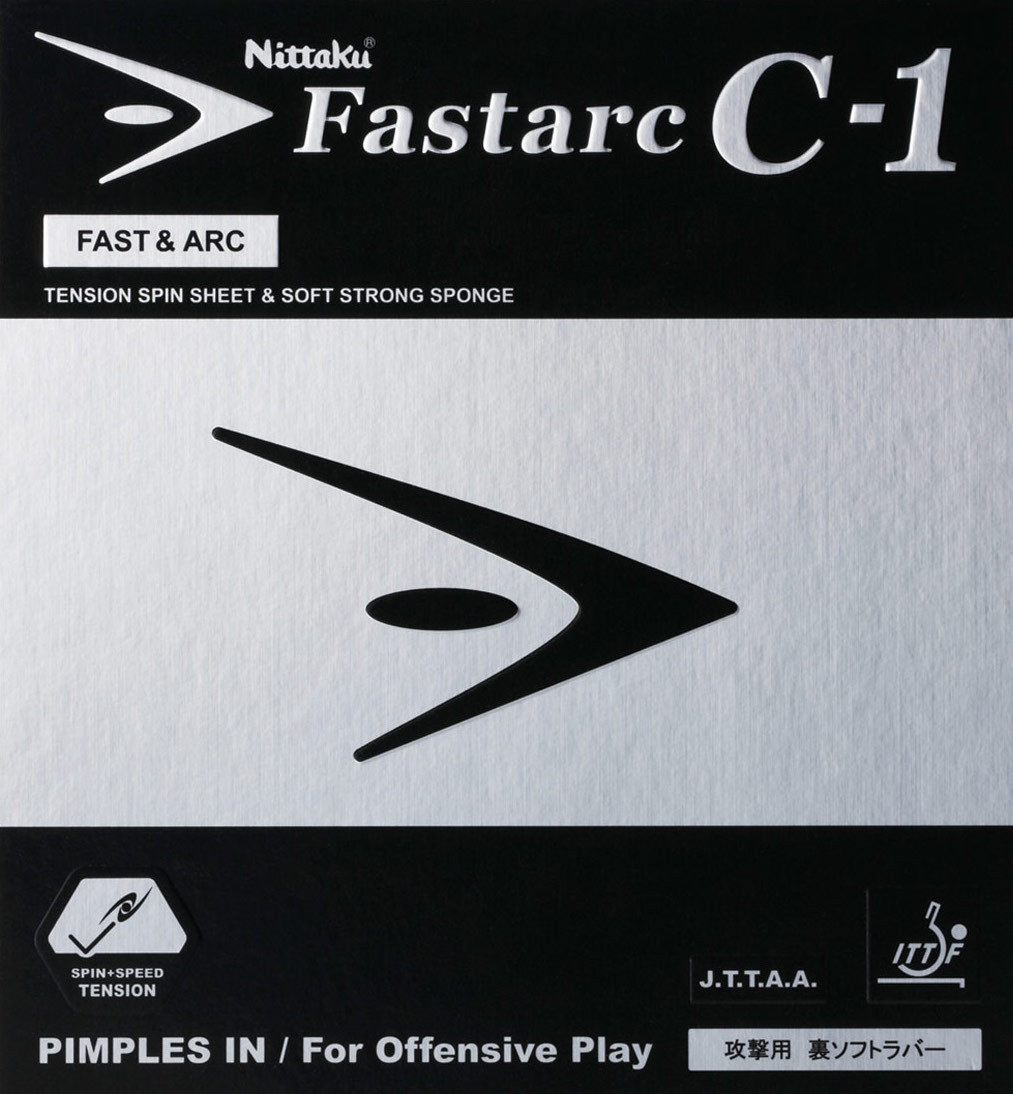
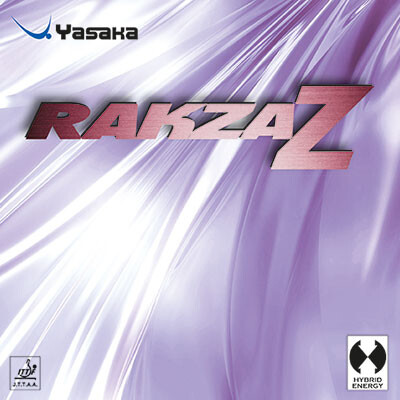
We may earn a commission from links on this page. Learn more.
Choose Fastarc C-1 for all-around balance: forgiving loops, consistent blocks, and safe mid-distance striking. Choose Rakza Z (8.6 rating) if you’re a forehand-dominant attacker willing to play full, committed strokes and want exceptional spin on brushed loops and backspin openings.
Rakza Z is dramatically different: a heavy tacky hybrid (72 g uncut) that rewards proactive play and full strokes but punishes passive or out-of-position shots. Fastarc C-1 is a modern tensor that stays friendly across playing distances and techniques. Rakza Z is for loopers and attackers only; Fastarc C-1 is for all-arounders or those mixing close-table and mid-distance play.
FAQ
Which is better for a first custom setup?
Fastarc C-1 is far more beginner-to-intermediate friendly with its forgiving feel. Rakza Z is explicitly for proactive attackers and will feel restrictive if you can’t play with full power.
Can Rakza Z cause arm fatigue?
Yes, its heavy weight (72 g) and tacky topsheet demand commitment. Fastarc C-1 is much lighter (47 g) and easier on the arm over long training sessions.
How do these compare on backspin lifting?
Rakza Z excels—tacky topsheet grips heavy backspin easily. Fastarc C-1 is good but less specialized for backspin; you need active stroking.
Which is the budget pick versus Dignics 09C?
Rakza Z. Both offer similar tacky spin feel, but Rakza Z is significantly cheaper while delivering great durability and value.