Nittaku Fastarc C-1 vs Yasaka Rakza X: Which Should You Buy?
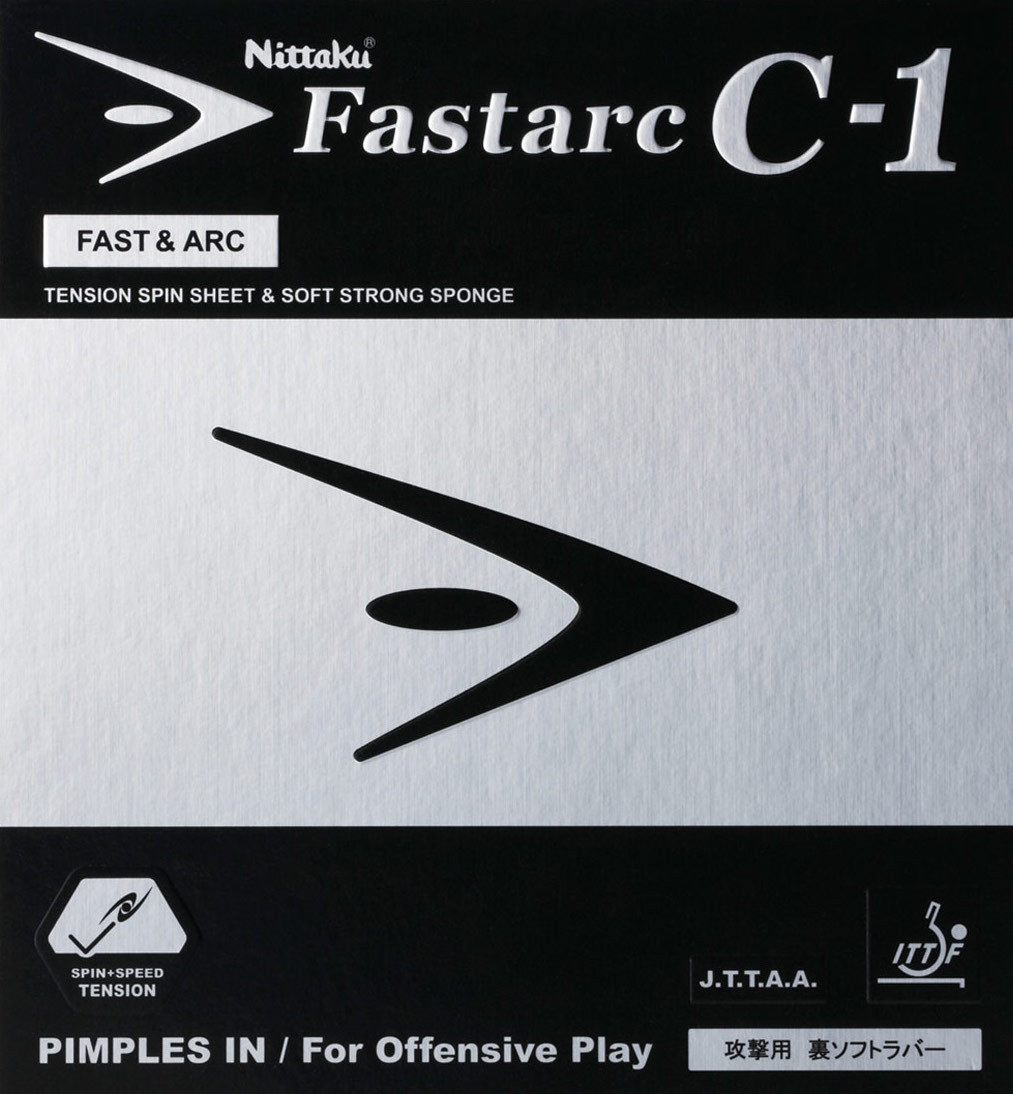
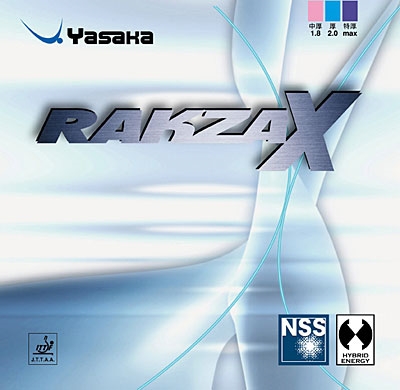
| Nittaku Fastarc C-1 | Yasaka Rakza X | |
|---|---|---|
| Our rating | 8.4/10 | 8.4/10 |
| best_side | backhand or allround | both |
| control | high | medium-high |
| speed | 15.25 (Nittaku scale) | high |
| spin | 12.25 (Nittaku scale) | high |
| sponge_hardness | 45 degrees | 47.5 (medium-hard, roughly 45-50 degrees) |
| type | inverted / tensor | tensor inverted |
| weight_uncut_g | approx 47 g (157 x 150 mm sheet) | 69 |
We may earn a commission from links on this page. Learn more.
Same Score, Same Numbers, One Real Surprise
Nittaku Fastarc C-1 and Yasaka Rakza X carry an identical overall rating of 8.4, and the underlying axis data backs that tie up almost everywhere. Speed is dead even at 9.0 for both. Spin is a 0.1-point gap (9.1 vs 9.0), noise. Control is another 0.1-point gap (9.2 vs 9.1), also noise. If you are trying to decide between these two rubbers on pure performance numbers, the honest answer for three of six axes is: it does not matter which you pick.
The One Real Gap, and a Contradiction Worth Flagging
Throw is where these rubbers actually separate, with C-1 at 5.4 against Rakza X’s 4.7, a 0.7-point gap, the largest in this comparison. That is worth pausing on, because it cuts against Rakza X’s own marketing copy, which describes it as having a high, safe throw arc that excels on loops and counter-topspins. The aggregated axis data here says the opposite: C-1 is the higher-throw rubber of the two. This is a useful reminder that qualitative review language and aggregated user-rating axes do not always agree, the marketing description of a rubber and its measured behavior across many users can genuinely diverge, and this is one of those cases. Take Rakza X’s high-throw branding with a grain of salt next to this specific dataset.
Durability and Tackiness: Small Gaps, Real Direction
Durability leans toward C-1 by 0.4 (8.4 vs 8.0), and tackiness leans very slightly toward Rakza X by 0.2 (2.2 vs 2.0). Neither gap is dramatic, but Rakza X’s own con list is worth noting here: top sheet grip can fade after a couple of months of heavy use. That is a faster fade window than C-1’s topsheet, which is specifically described as durable and grip-holding over time, consistent with, though slightly more pronounced than, the 0.4-point gap in the raw numbers.
Weight and Feel Are the Real Differentiators
Where these two rubbers actually diverge is not in the radar numbers but in the qualitative notes around them. Rakza X is flagged as on the heavy side, adding noticeable weight to the racket, and its own review calls it harder to control for players coming straight from soft rubbers. C-1, by contrast, is positioned as more universally forgiving, recommended for intermediate players, not just advanced ones adjusting from a specific rubber background. If you are coming from a soft, control-oriented sheet, C-1 is likely the smoother transition of the two.
Should You Switch?
Given how close these two rubbers are on the numbers, switching between them purely for performance is unlikely to be worth it. If you already play Rakza X and like it, C-1 will feel extremely similar with a marginal durability edge and, per this data, actually more throw than Rakza X’s reputation suggests. If you play C-1, switching to Rakza X buys you essentially the same performance with slightly more tackiness and slightly less durability. The more sensible reasons to switch are practical, not performance-based: price, local availability, or simply preferring one brand’s sponge feel and weight to the other’s.
Who Each One Fits
Both rubbers target the same player: intermediate-to-advanced offensive players who want a grippy, high-spin tensor that works on either wing. Rakza X specifically calls out players who liked Yasaka Rakza 7 but want more control in blocks and loop exchanges, if that is your background, it may be the more natural pick regardless of the numbers. C-1 makes a similar case for players who want a forgiving high arc and are less concerned with matching a specific prior rubber’s feel. With five of six axes essentially tied, this comparison comes down to fit and preference more than any hard performance edge.
Frequently asked questions
Are Nittaku Fastarc C-1 and Yasaka Rakza X really that similar?
Yes, they share the same 8.4 overall rating, and five of six measured axes (speed, spin, control, tackiness, durability) differ by 0.4 points or less.
Which rubber has more throw?
The data says C-1, 5.4 versus 4.7 for Rakza X, which is notable because Rakza X's own marketing describes it as having a high, safe throw arc, a claim this specific dataset does not support.
Which rubber lasts longer?
C-1, by a modest 0.4-point margin. Rakza X's own review also notes its topsheet grip can fade after a couple of months of heavy use.
Is it worth switching from one to the other?
Not for performance reasons, they are too close on the numbers. Switch only for price, availability, or a preference in weight and sponge feel.