Nittaku Fastarc C-1 vs Tibhar Evolution EL-S: Which Should You Buy?
| Nittaku Fastarc C-1 | Tibhar Evolution EL-S | |
|---|---|---|
| Our rating | 8.4/10 | 8.5/10 |
| best_side | backhand or allround | either |
| control | high | 86 |
| speed | 15.25 (Nittaku scale) | 87 |
| spin | 12.25 (Nittaku scale) | 90 |
| sponge_hardness | 45 degrees | medium-hard |
| type | inverted / tensor | tensor |
| weight_uncut_g | approx 47 g (157 x 150 mm sheet) | 74 |
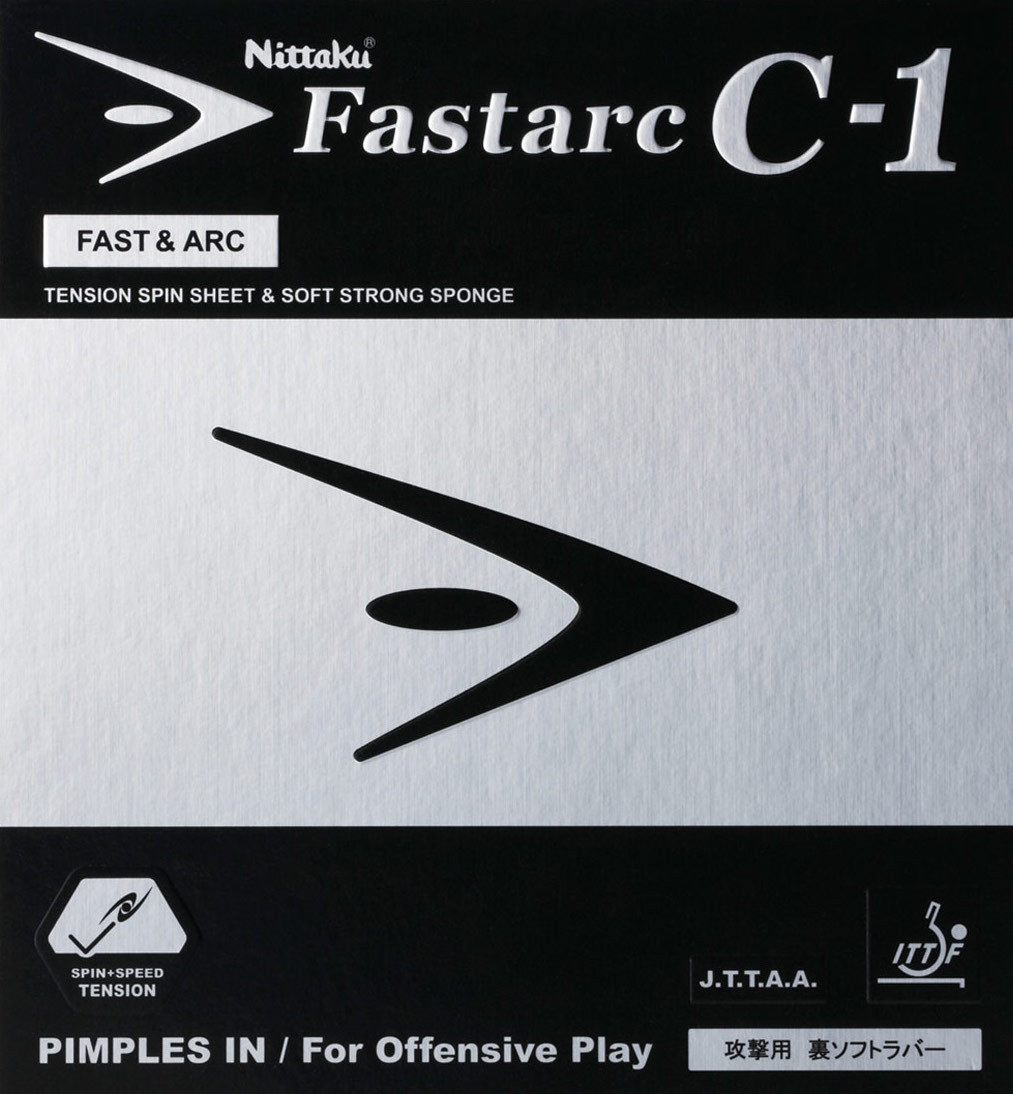
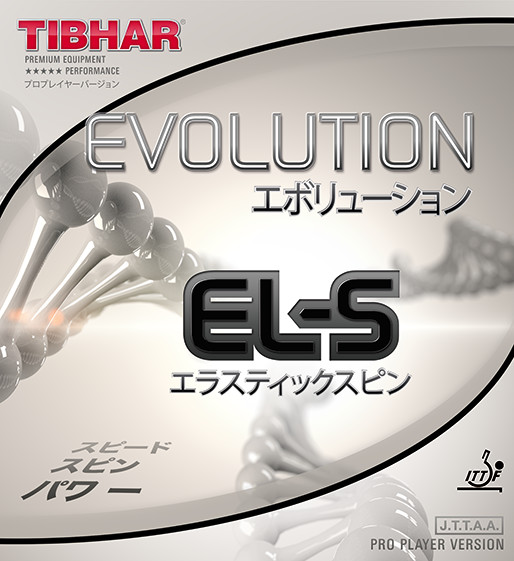
We may earn a commission from links on this page. Learn more.
Both rubbers excel for intermediate to advanced attackers seeking spin-focused play, but they approach looping from different angles. The Nittaku Fastarc C-1 is built around a high arc that forgives timing errors and keeps the ball in play reliably. Its G-1 topsheet is grippy and spins beautifully under active strokes, making it especially effective for backhand play or as an all-court option when control matters more than maximum speed.
The Tibhar Evolution EL-S trades some arc for higher speed and a higher spin ceiling, scoring a 10 out of 10 for topspin looping in expert testing. It delivers speed comparable to Tenergy 80 while maintaining exceptional short-game control at 9.5 out of 10. However, the EL-S grip can fade against poly balls, and durability fades after 4 to 6 months, whereas the C-1 topsheet holds its grip over time.
Choose the C-1 if you want a forgiving, arc-heavy setup that rewards consistent technique on the backhand or forehand. Pick the EL-S if you’re comfortable with a shorter equipment lifespan and want the spin-speed combo that matches Tenergy 80 at a lower price point.
FAQ
Which rubber is better for backhand play?
The Nittaku Fastarc C-1 was explicitly designed as a backhand option and excels in that role with effortless blocks and close-to-table consistency. The Tibhar EL-S also works well for backhand but is less specialized for it. If backhand is your priority, the C-1 is the stronger choice.
How long do these rubbers last?
The Nittaku C-1 offers Tenergy-class durability with grip holding up well over months of play. The Tibhar EL-S durability degrades noticeably after 4 to 6 months, making the C-1 the better long-term value despite the EL-S lower up-front cost.
Which one spins more?
The Tibhar EL-S spins harder, rated at 90 on numeric scales versus the C-1 at 12.25 on the Nittaku scale. However, the C-1 generates excellent spin on active opening loops and serves; the difference is most noticeable on passive shots where the EL-S excels.
Are these suitable for beginners?
Neither is ideal for true beginners. Both are intermediate to advanced options. The Fastarc C-1 is slightly more forgiving due to its high arc, while the EL-S requires better fundamentals and timing to maximize its spin potential.