Nittaku Acoustic Carbon Inner vs Yinhe T-11+: Which Should You Buy?
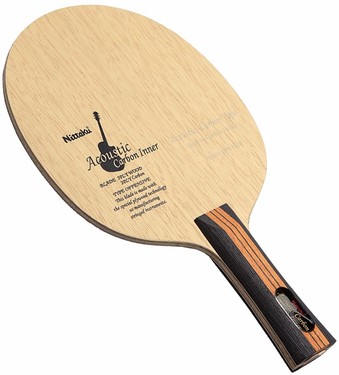
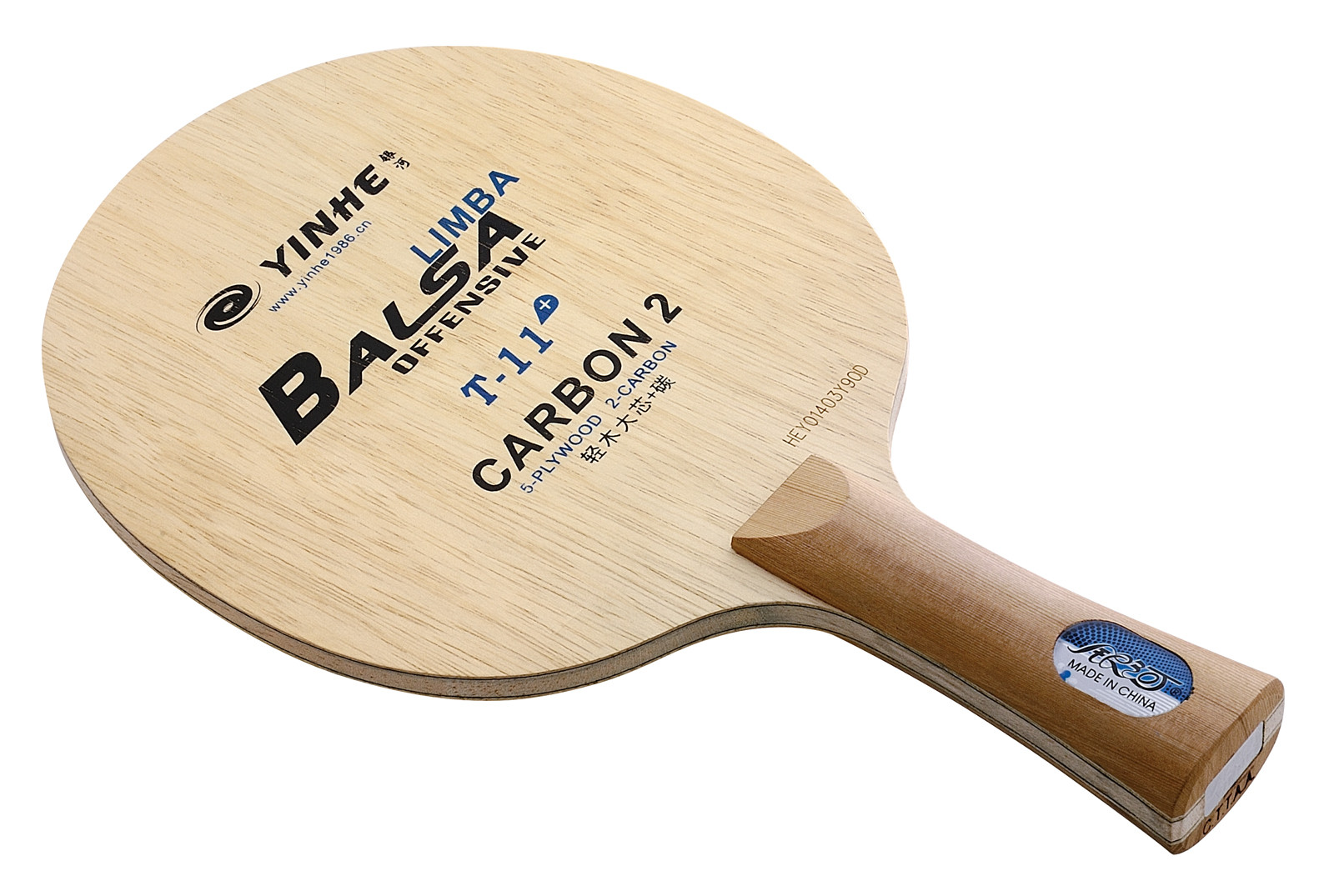
| Nittaku Acoustic Carbon Inner | Yinhe T-11+ | |
|---|---|---|
| Our rating | 8.2/10 | 7.8/10 |
| feel | Medium | very light, stiff but soft balsa core with a carbon ping |
| handle | FL|ST | FL |
| plies | 5 wood + 2 carbon (inner FE carbon) | 5W+2 Carbon with balsa core (two thin wood outers, one carbon layer per side, around a thick balsa middle ply) |
| speed | OFF | OFF- |
| thickness_mm | 5.5 | 6.5 |
| weight_g | 90 | 78 |
We may earn a commission from links on this page. Learn more.
The Nittaku Acoustic Carbon Inner (8.2) and Yinhe T-11+ (7.8) target different player profiles. Nittaku Acoustic Carbon Inner excels at outstanding control and spin performance validated across dozens of reviews. Yinhe T-11+ focuses on exceptionally light and mobile, one of the lightest offensive blades around. Key differences emerge in speed (OFF vs OFF-). Choose Nittaku Acoustic Carbon Inner if you prioritize its control and consistency. Opt for Yinhe T-11+ if you need aggressive attacking capability.
FAQ
What is the main difference between Nittaku Acoustic Carbon Inner and Yinhe T-11+?
Nittaku Acoustic Carbon Inner rates 8.2 out of 10 and emphasizes Intermediate. Yinhe T-11+ rates 7.8 and focuses on Flat.
Which rubber or blade is better for beginners?
Nittaku Acoustic Carbon Inner is more forgiving for developing players due to its balanced characteristics and larger margin for error.
Which option offers better durability?
Both products deliver solid longevity, though Nittaku Acoustic Carbon Inner’s construction tends toward reliable performance over extended use cycles.
Which has better spin generation?
Nittaku Acoustic Carbon Inner delivers superior spin due to its surface treatment and sponge composition, making it ideal for topspin-dominant players.
What is the price difference?
Product pricing varies by retailer. Both represent solid investments in their respective categories with competitive value propositions for intermediate players.