Loki RXTON 1 vs Tibhar Evolution FX-P: Which Should You Buy?
| Loki RXTON 1 | Tibhar Evolution FX-P | |
|---|---|---|
| Our rating | 8.0/10 | 8.4/10 |
| best_side | both | Backhand or allround forehand |
| control | very high | 68 |
| speed | low to medium | 94 |
| spin | high | 98 |
| sponge_hardness | medium (around 38-39 degrees Chinese scale, roughly 50-52 ESN) | approx 40 degrees (softest in Evolution line) |
| type | tacky inverted (budget) | Inverted / tensor |
| weight_uncut_g | 64 | 68 |
We may earn a commission from links on this page. Learn more.
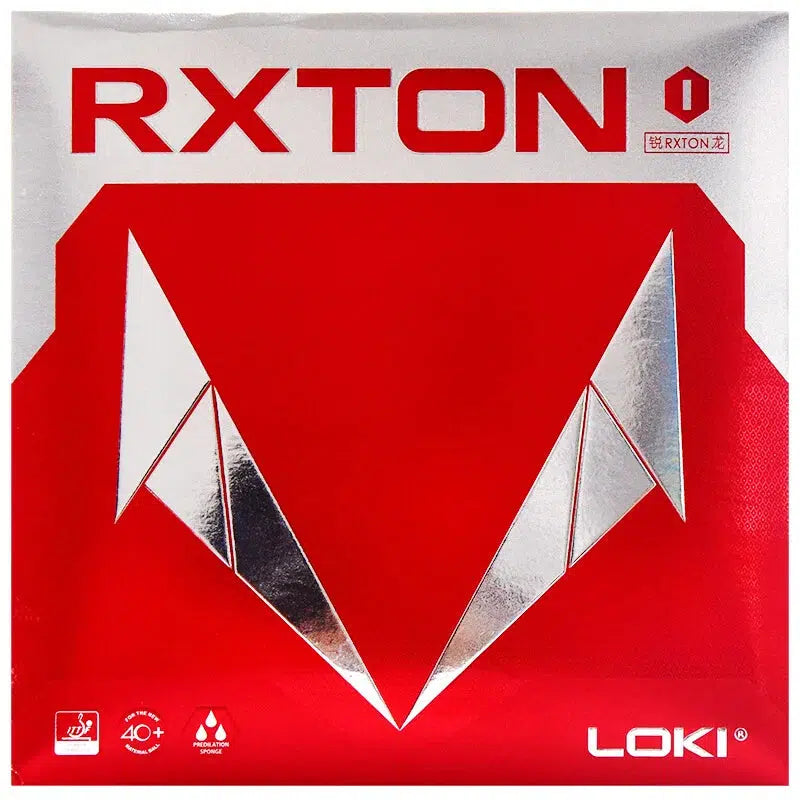
RXTON 1 remains the budget baseline: 15 dollars, ideal for beginners and training rotations, with high control and solid spin on active play. Its low speed and soft performance mark it squarely as entry-level equipment.
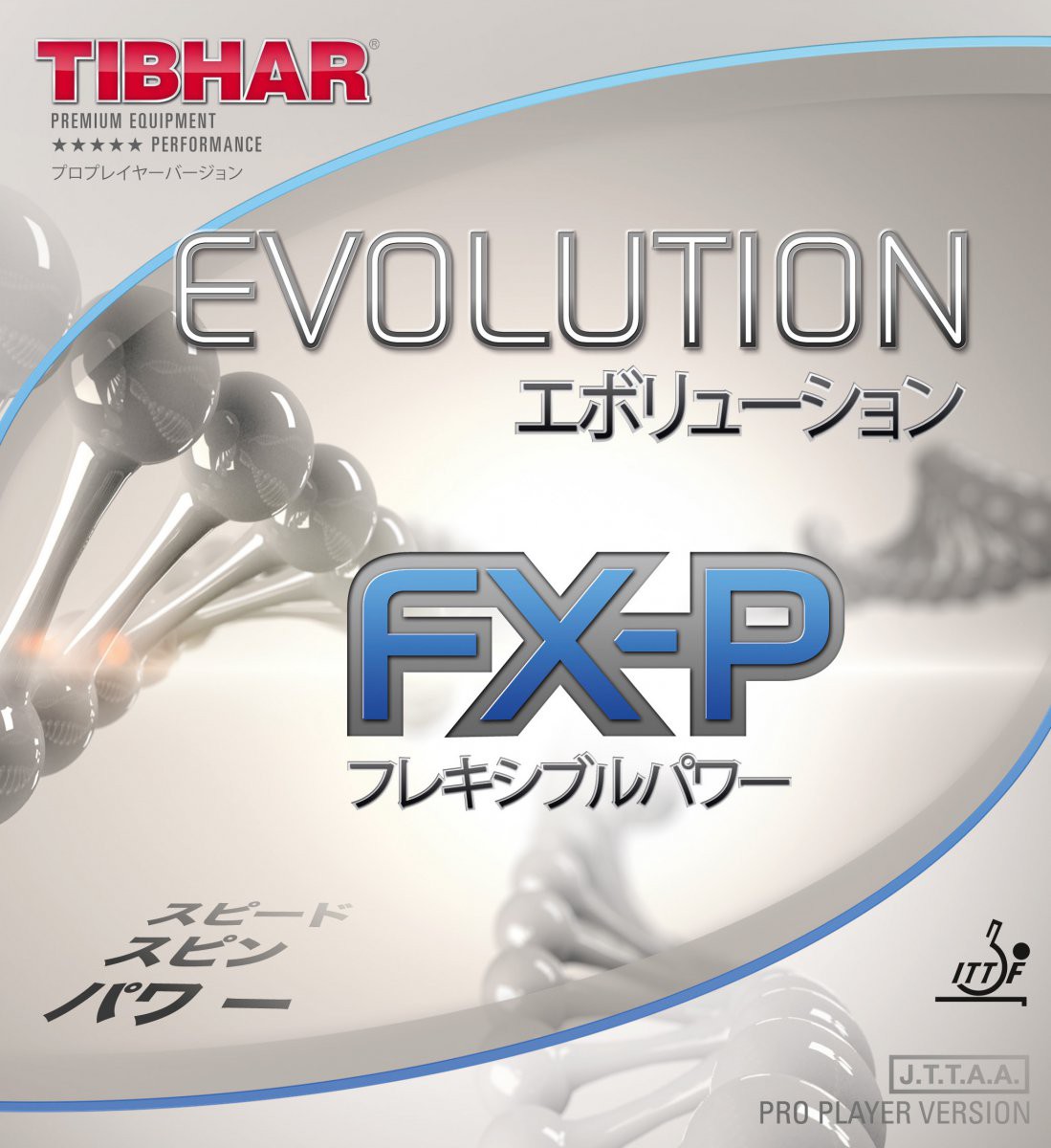
Evolution FX-P targets intermediate all-rounder attackers with outstanding spin, dwell time, and confidence-building forgiveness on mishits. It works across both wings, costs less than Tenergy alternatives, and boasts longevity in the topsheet. Limited speed caps aggressive hitters, and lifting heavy backspin requires work.
Select RXTON 1 for pure budget value and frequent replacement cycles. Choose FX-P if you want intermediate tensor performance, spin consistency, and high margin for error, especially on backhand or flexy blades.
FAQ
Which is better for beginners?
RXTON 1 is designed for beginners; FX-P suits intermediate improving players already comfortable with active strokes.
Which is more forgiving?
FX-P explicitly offers high return rate and forgiving performance on mishits; RXTON 1 requires good placement.
How much does each cost?
RXTON 1 around 15 dollars; FX-P is premium-intermediate priced, offering strong value versus Tenergy alternatives.
Which works better on both wings?
FX-P is praised for both forehand and backhand use; RXTON 1 is all-rounder compatible but not optimized.