Loki RXTON 1 vs Nittaku Fastarc G-1: Which Should You Buy?
| Loki RXTON 1 | Nittaku Fastarc G-1 | |
|---|---|---|
| Our rating | 8.0/10 | 8.8/10 |
| best_side | both | both |
| control | very high | medium-high |
| speed | low to medium | 15.0 (Nittaku) |
| spin | high | 12.5 (Nittaku) |
| sponge_hardness | medium (around 38-39 degrees Chinese scale, roughly 50-52 ESN) | 47.5° |
| type | tacky inverted (budget) | tensor inverted |
| weight_uncut_g | 64 | 69 |
We may earn a commission from links on this page. Learn more.
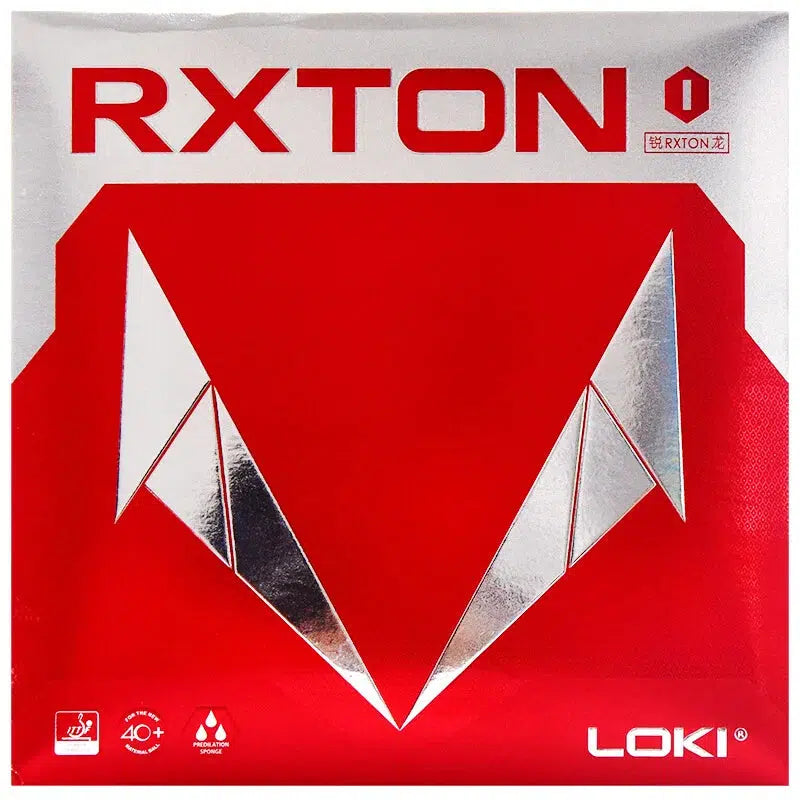
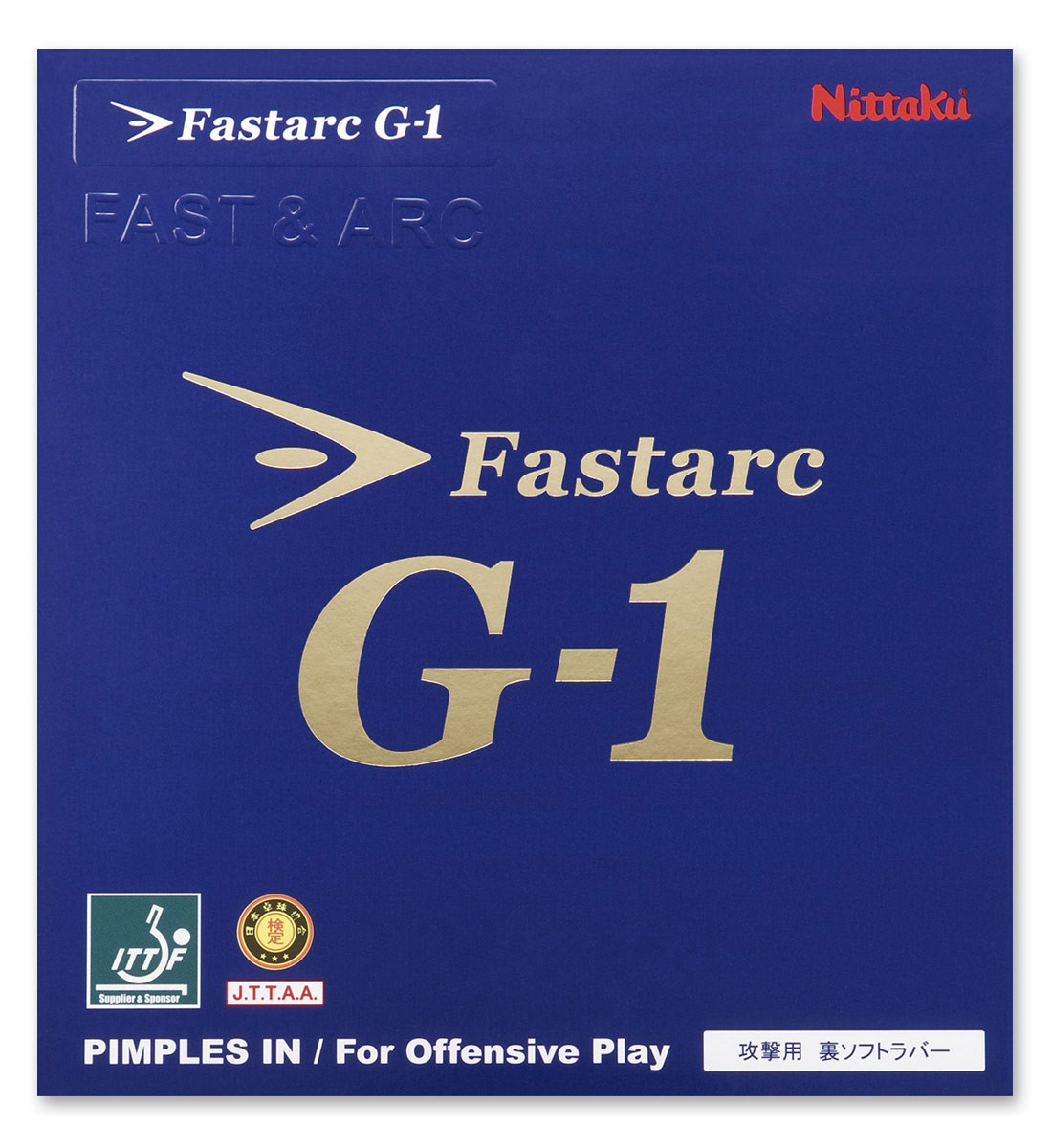
These rubbers sit at opposite ends of the offensive ladder. The Loki RXTON 1 is a budget tacky inverted sheet built for control, easy to keep on the table with usable spin and a price low enough to replace monthly. The Nittaku Fastarc G-1 is a firm 47.5-degree tensor that pairs heavy spin with real speed under a high, forgiving throw.
The divide is safety versus firepower. The RXTON 1 has very high control but low outright speed and only mild, fading tack. The Fastarc G-1 brings power, a safe high arc on opening loops, and famously slow performance drop-off over months, but its firm sponge rewards a committed, technically sound stroke.
Pick the RXTON 1 if you are a beginner or control player building a first inexpensive racket. Pick the Fastarc G-1 if you are an intermediate-to-advanced attacker who wants heavy spin, real speed, and durability on either wing.
FAQ
Which is better for an attacking player?
The Nittaku Fastarc G-1. It combines heavy spin and real speed with a forgiving high arc, while the RXTON 1 is low on outright speed.
Which is more forgiving for beginners?
The Loki RXTON 1, with very high control and a low price. The firm 47.5-degree Fastarc G-1 rewards a committed, technically sound stroke.
Which lasts longer?
The Fastarc G-1 is known for Tenergy-like durability, with performance dropping off very slowly over months of use.