JOOLA Dynaryz ZGR vs Tibhar Quantum X Pro: Which Should You Buy?
| JOOLA Dynaryz ZGR | Tibhar Quantum X Pro | |
|---|---|---|
| Our rating | 8.3/10 | 8.5/10 |
| best_side | forehand | both |
| control | Medium-High | medium |
| speed | Extreme | very high |
| spin | Extreme | very high |
| sponge_hardness | 57.5 degrees Shore C (hard) | 47.5 degrees |
| type | hybrid tacky tensor (pimples-in) | tensor |
| weight_uncut_g | approx 56g (cut to 157x150mm) | 70 |
We may earn a commission from links on this page. Learn more.
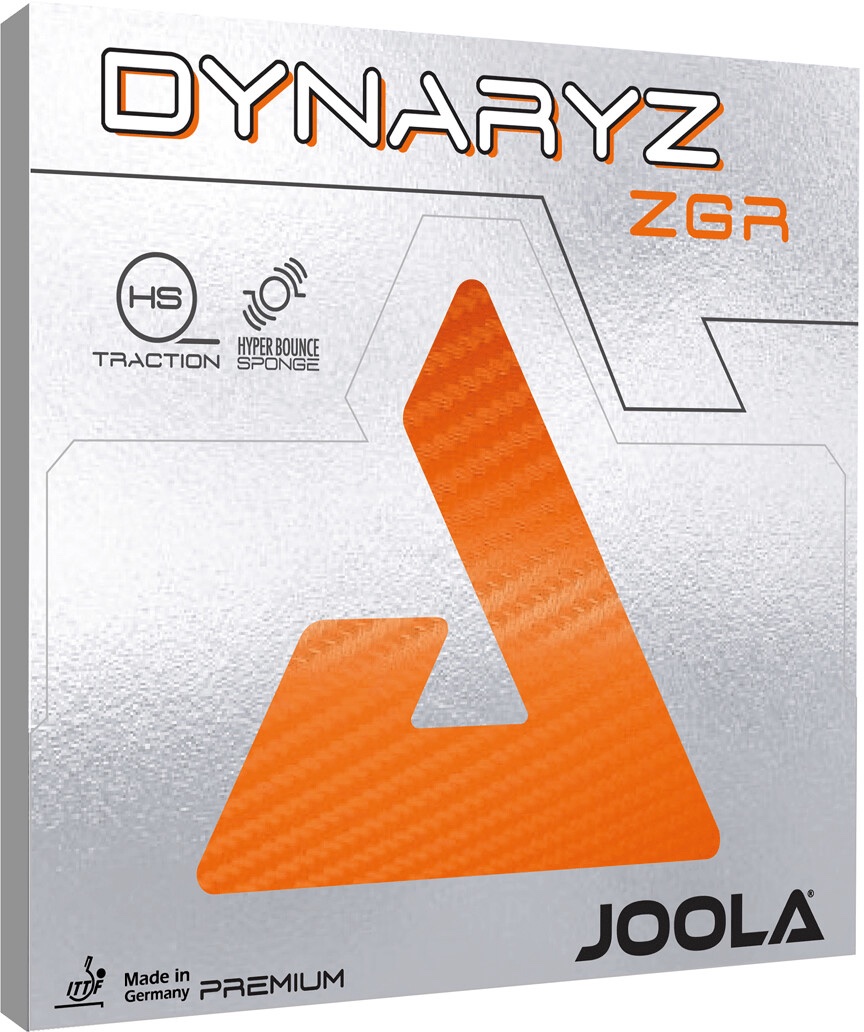
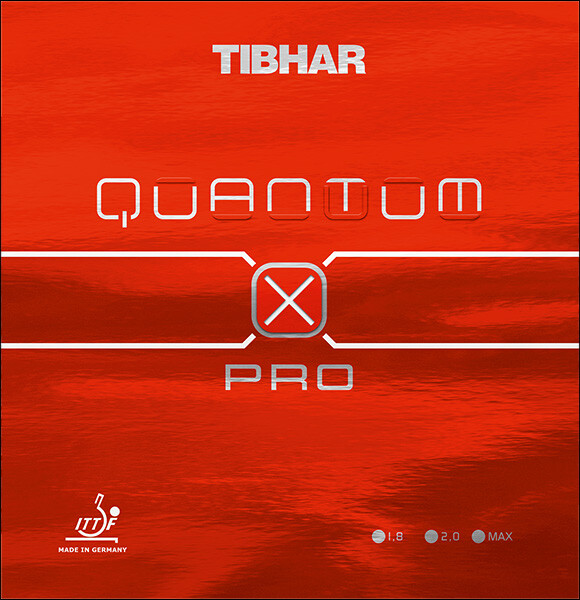
JOOLA Dynaryz ZGR (8.3) and Tibhar Quantum X Pro (8.5) are both elite tensors for different wings and playing styles. ZGR is forehand-exclusive (57.5 degrees), delivering exceptional spin via tacky topsheet and hard sponge hybrid. Quantum X Pro is a backhand specialist (47.5 degrees) on carbon and composite blades, excelling at near-table counter-topspin and low-spin-sensitivity blocking.
ZGR demands mid-to-long-distance play and maximum technique. Quantum X Pro is more forgiving for a hard tensor, safer on loop-against-backspin exchanges, and accessible to intermediate players with solid fundamentals. ZGR is heavier (56g cut) and causes fatigue; Quantum X Pro is lighter (47.7g uncut) and easier on the arm.
Choose ZGR if you are an advanced forehand power looper. Pick Quantum X Pro if you want a reliable, durable backhand tensor that plays near the table with low unforced error rate.
FAQ
Which spins more?
ZGR is extreme; Quantum X Pro is very high. ZGR is more aggressive; QXP is more controlled.
Best side: which rubber for backhand?
Quantum X Pro is exceptional on backhand and somewhat undersells on forehand. ZGR is forehand only.
Weight and fatigue?
ZGR is 56g cut, heavy and fatiguing. Quantum X Pro is light for a MAX tensor, easier on the arm.
Forehand performance trade-off?
Quantum X Pro’s forehand does not fully justify its price versus rivals at the same tier. ZGR dominates on forehand.
Beginner suitability?
Neither is beginner-friendly. Quantum X Pro is more approachable for intermediate players with solid technique.