JOOLA Dynaryz AGR vs Tibhar Evolution MX-S: Which Should You Buy?
| JOOLA Dynaryz AGR | Tibhar Evolution MX-S | |
|---|---|---|
| Our rating | 8.7/10 | 8.4/10 |
| best_side | FH | Forehand |
| control | 7 | High |
| speed | 9.6 | OFF |
| spin | 9.3 | Very High (11.5 on Tibhar scale, highest in Evolution range) |
| sponge_hardness | Hard (around 50 degrees EUR, purple Hyperbounce sponge) | around 47.3 degrees (hard) |
| type | inverted | Inverted tensor (ESN) |
| weight_uncut_g | 71 | 76 g (2.1-2.2 mm uncut sheet) |
We may earn a commission from links on this page. Learn more.
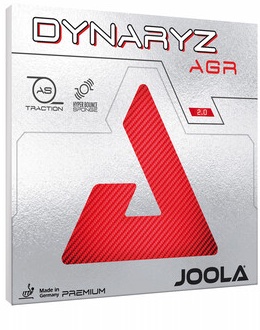
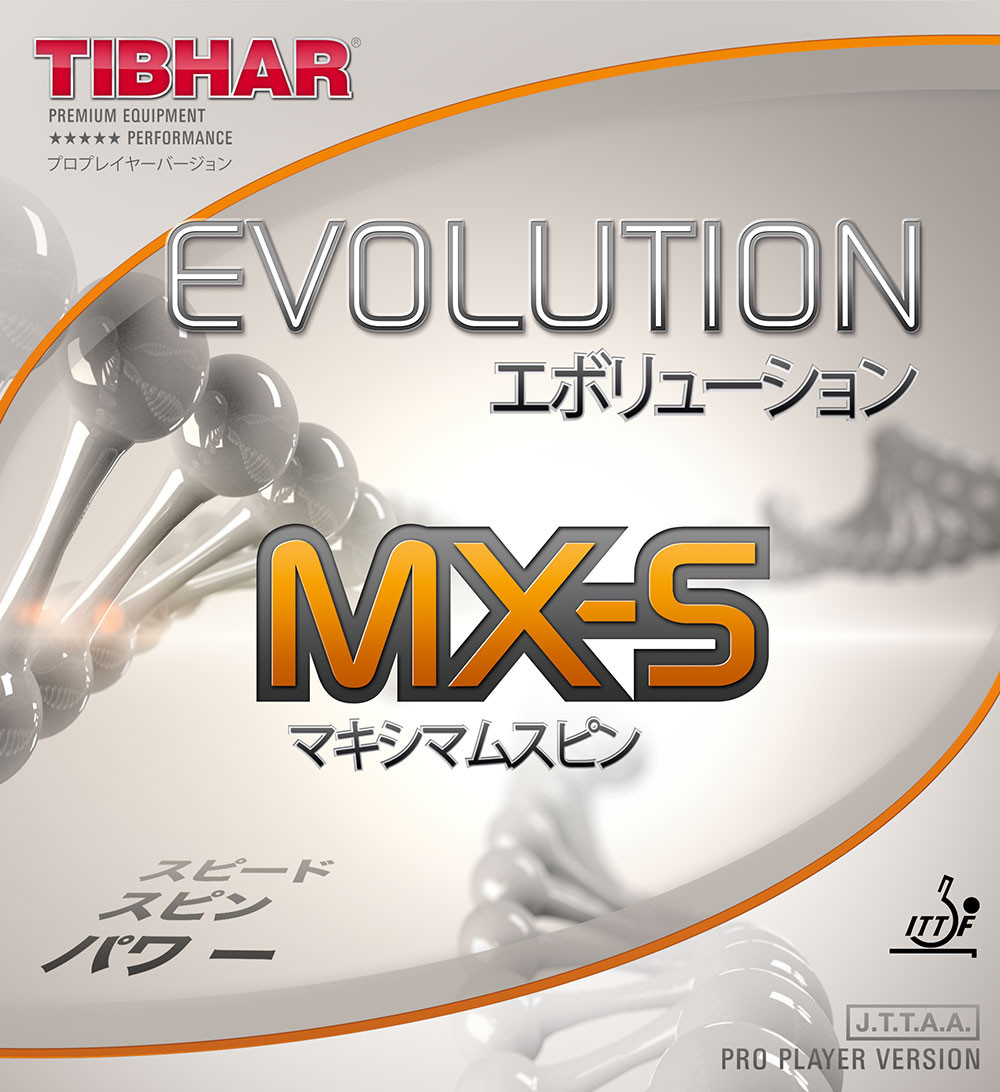
The JOOLA Dynaryz AGR dominates through sheer speed (9.6 rating) and spin (9.3) from its hard 50-degree Hyperbounce catapult, rewarding aggressive third-ball attacks and loop-to-finish patterns. It is one-dimensional offense: passive play and modest errors produce unforced misses, and limited durability (four to six months) comes with premium flagship cost. The Tibhar Evolution MX-S rates highest in spin within its range (9.5 on Revspin scale) while excelling at blocking, serve control, and precision across close-to-table through mid-distance play. Its 47.3-degree sponge demands strong technique but rewards players who generate their own speed.
AGR is a pure attack tool: the catapult does heavy lifting, and technique must match its speed ceiling. Evolution MX-S suits all-round offensive play with high-spin looping, solid blocking, and reliable short game; the player must supply more speed through technique. AGR suits forehand specialists; Evolution MX-S works forehand and is heavier (76g uncut versus 71g), adding gram-management complexity to racket setup. Both suit advanced players only.
Choose AGR for close-to-table aggression where explosive pace and spin matter more than consistency. Choose Evolution MX-S for players who want the highest spin with solid blocking, who play at variable distance, or who dislike relying on sponge catapult.
FAQ
Which is faster?
AGR is significantly faster at 9.6. Evolution MX-S rates OFF; the player must generate more speed through technique and racket speed.
Which has higher spin output?
Both are elite spinners. AGR is rated 9.3 overall; Evolution MX-S rates highest in its range at 9.5 on Revspin scale. Evolution MX-S may have higher peak spin for pure looping.
Which is better for blocking?
Evolution MX-S is exceptional at blocking, absorbing pace with low spin-sensitivity. AGR has limited passive control; blocking requires active technique.
Which works better on both forehand and backhand?
AGR is forehand-focused. Evolution MX-S works better on both sides, though it is still optimized for forehand and most suited to advanced players.
Which is better at short game and serve?
Evolution MX-S excels at short game and serve control. AGR has a low, unforgiving short game and demands committed strokes.