JOOLA Dynaryz AGR vs Nittaku Fastarc S-1: Which Should You Buy?
| JOOLA Dynaryz AGR | Nittaku Fastarc S-1 | |
|---|---|---|
| Our rating | 8.7/10 | 7.9/10 |
| best_side | FH | forehand or backhand |
| control | 7 | 70 |
| speed | 9.6 | 97 |
| spin | 9.3 | 96 |
| sponge_hardness | Hard (around 50 degrees EUR, purple Hyperbounce sponge) | 35 degrees |
| type | inverted | inverted |
| weight_uncut_g | 71 | around 41-43g |
We may earn a commission from links on this page. Learn more.
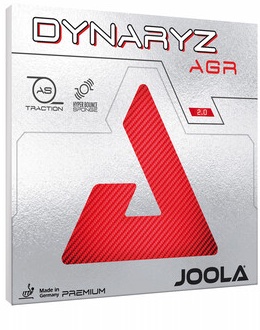
JOOLA Dynaryz AGR unleashes elite speed and spin for advanced, technique-rich forehand attackers who need maximum catapult and firepower on loops, smashes, and third-ball attacks. Its hard sponge and grippy topsheet deliver explosive performance but demand clean technique, offer limited passive control, and lose effectiveness within four to six months. Best for competitive players with solid stroke fundamentals.
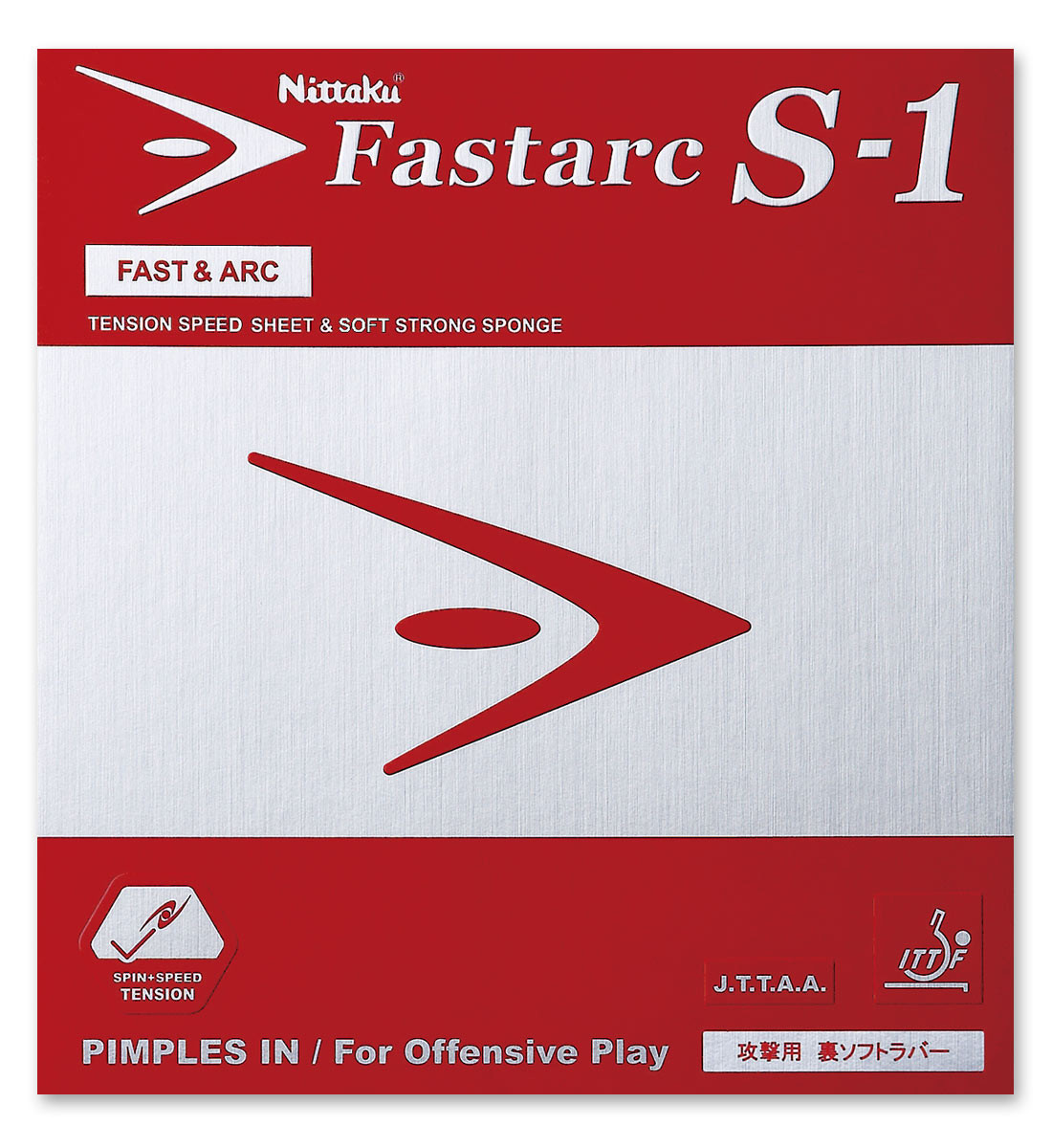
Nittaku Fastarc S-1 delivers genuine tensor speed in a lightweight package, typically under 43 grams uncut, making it accessible for intermediate players transitioning from beginner rubbers. Its grippy non-tacky topsheet and medium-high throw angle aid loop clearance and blocking, though spin output is noticeably lower than top rivals. Fastarc S-1 suits developing attackers and players seeking control alongside pace; AGR suits advanced competitors who supply elite technique.
FAQ
Which is lighter?
Fastarc S-1 is dramatically lighter, typically under 43 grams. AGR weighs 71 grams, causing arm fatigue.
Which suits intermediate players?
Fastarc S-1 is accessible for intermediates stepping up. AGR is too unforgiving for players below 1600 rating.
Which works on both wings?
Fastarc S-1 plays well as forehand or backhand. AGR is forehand-only for elite attackers.
How much faster is AGR?
AGR is significantly faster and more explosive. Fastarc S-1 trades some speed for forgiveness and lower spin.