JOOLA Dynaryz AGR vs Nittaku Fastarc P-1: Which Should You Buy?
| JOOLA Dynaryz AGR | Nittaku Fastarc P-1 | |
|---|---|---|
| Our rating | 8.7/10 | 7.8/10 |
| best_side | FH | forehand |
| control | 7 | 8.5 |
| speed | 9.6 | 15.5 |
| spin | 9.3 | 12.25 |
| sponge_hardness | Hard (around 50 degrees EUR, purple Hyperbounce sponge) | 47.5 degrees |
| type | inverted | tensor |
| weight_uncut_g | 71 | 70 |
We may earn a commission from links on this page. Learn more.
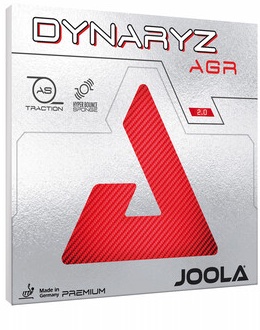
JOOLA Dynaryz AGR ranks among the fastest tensor rubbers available, delivering elite spin and catapult feel for advanced forehand-dominant attackers who attack close to the table with clean, fully committed strokes. Its hard 50-degree Hyperbounce sponge creates explosive loops and smashes but offers minimal passive control and punishes tentative technique. Durability fades within four to six months of heavy use, and premium pricing demands consistent skill.
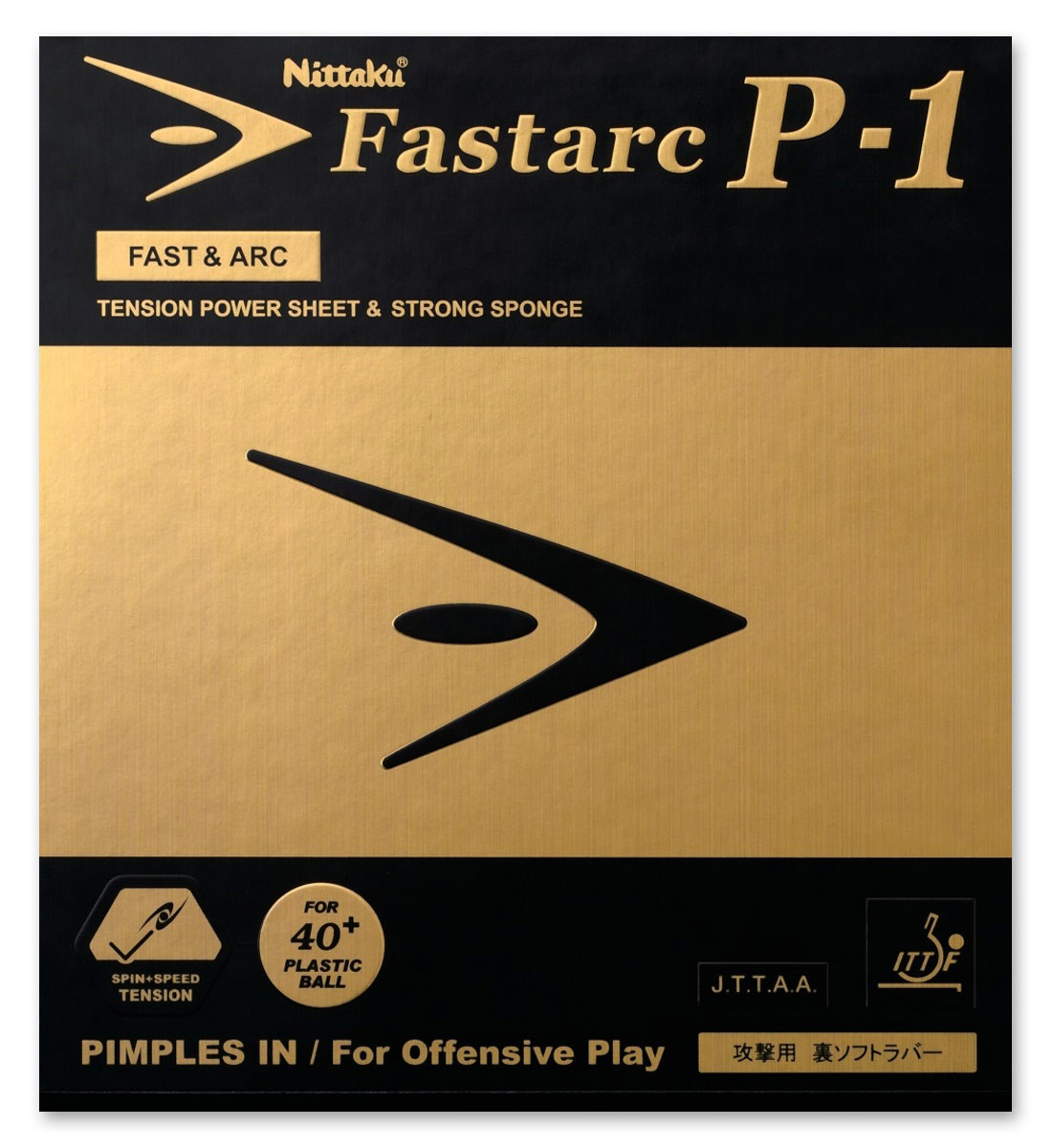
Nittaku Fastarc P-1 offers high-arc safety and spin output with lower spin sensitivity, making blocking and counterlooping forgiving. Its soft in-play feel and reliable German construction suit forehand loopers who value precision over catapult, though its linear demands mean weak or arm-only strokes backfire. Fastarc P-1 works on carbon blades; AGR requires steady technique. Pick AGR for pure offensive firepower; choose Fastarc P-1 for technique-rewarding consistency.
FAQ
Which is faster?
AGR is significantly faster, rated faster than Tenergy 05 and 64. Fastarc P-1 delivers respectable speed with less catapult.
Which throws higher?
Fastarc P-1 throws much higher, providing safe net clearance for topspin. AGR has low throw, demanding precision.
Which lasts longer?
Fastarc P-1 remains durable over many months. AGR often feels dead after four to six months of competitive use.
Can beginners use either?
Neither suits beginners. Both demand advanced technique, though Fastarc P-1 is slightly more forgiving on timing.