Donic Waldner Senso Carbon V1 vs Nittaku Violin: Which Should You Buy?
| Donic Waldner Senso Carbon V1 | Nittaku Violin | |
|---|---|---|
| Our rating | 8.2/10 | 8.4/10 |
| feel | Soft woody feel with carbon kick; elastic and spin-friendly; medium-high throw angle | Soft, warm and flexible with long dwell, premium hand-crafted Japanese all-wood feedback |
| handle | Senso V1 hollow handle (vibration-damping) — FL, AN, ST options | FL |
| plies | 7 plies: 5 wood (Limba outer, Ayous mid) + 2 carbon composite | 5-ply all wood (Kiri core with White Ash outer plies) |
| speed | OFF- | ALL+ |
| thickness_mm | 5.6-5.8mm | 5.3 |
| type | — | ALL+ |
| weight_g | 85-87g | 86 |
We may earn a commission from links on this page. Learn more.
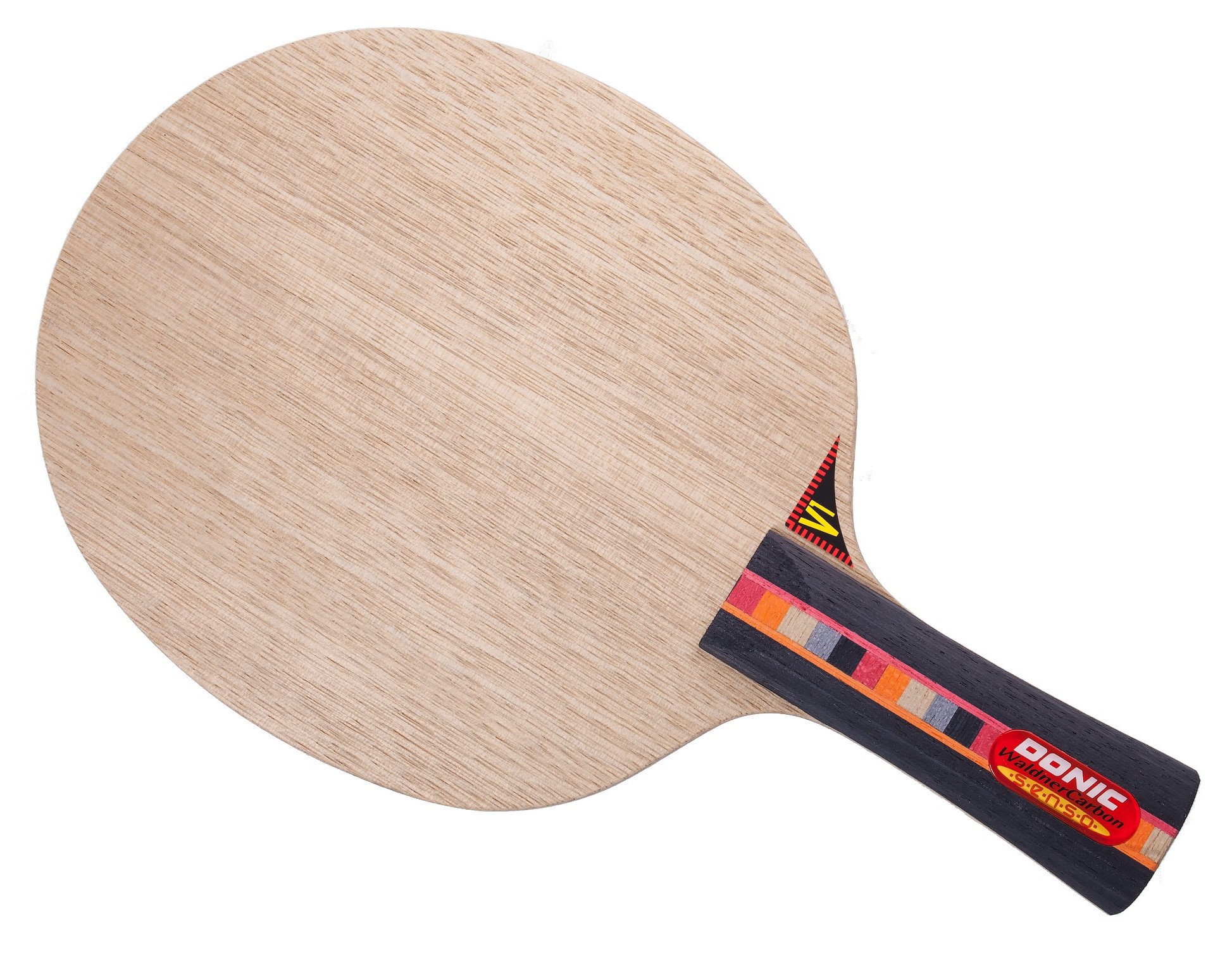
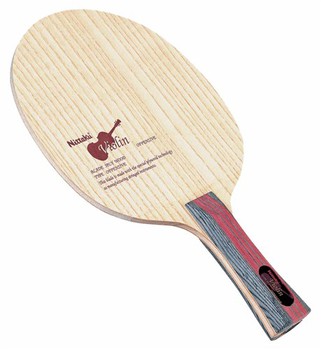
The Donic Waldner Senso Carbon V1 (8.2) is a 7-ply carbon hybrid rated OFF- with woody feel, high throw, and excellent close-to-table topspin. The Nittaku Violin (8.4) is a premium Made in Japan 5-ply all-wood rated ALL+ with warm, soft feel, long dwell time, and technique-building feedback.
The Donic is carbon-assisted; the Violin is pure all-wood. The Violin excels at looping and close-to-mid play, but is slower far from the table. The Donic offers more speed potential. The Violin is more expensive and needs a break-in period. Choose Donic if you want carbon support; choose Violin if you want premium all-wood feel and spin.
FAQ
Which is faster?
Donic has carbon advantage (OFF-). Nittaku Violin is ALL+, meaning the Donic is actually faster despite being a looper’s blade.
Is Nittaku Violin premium-priced?
Yes, premium price is questioned versus cheaper blades like the Primorac.
Does Violin need a break-in period?
Yes, it’s relatively stiff when new and benefits from a break-in period before it reaches full potential.
Which needs harder rubbers?
Nittaku Violin—it needs harder or tackier rubbers to reach its full potential.