Donic Waldner Senso Carbon V1 vs Nittaku Acoustic: Which Should You Buy?
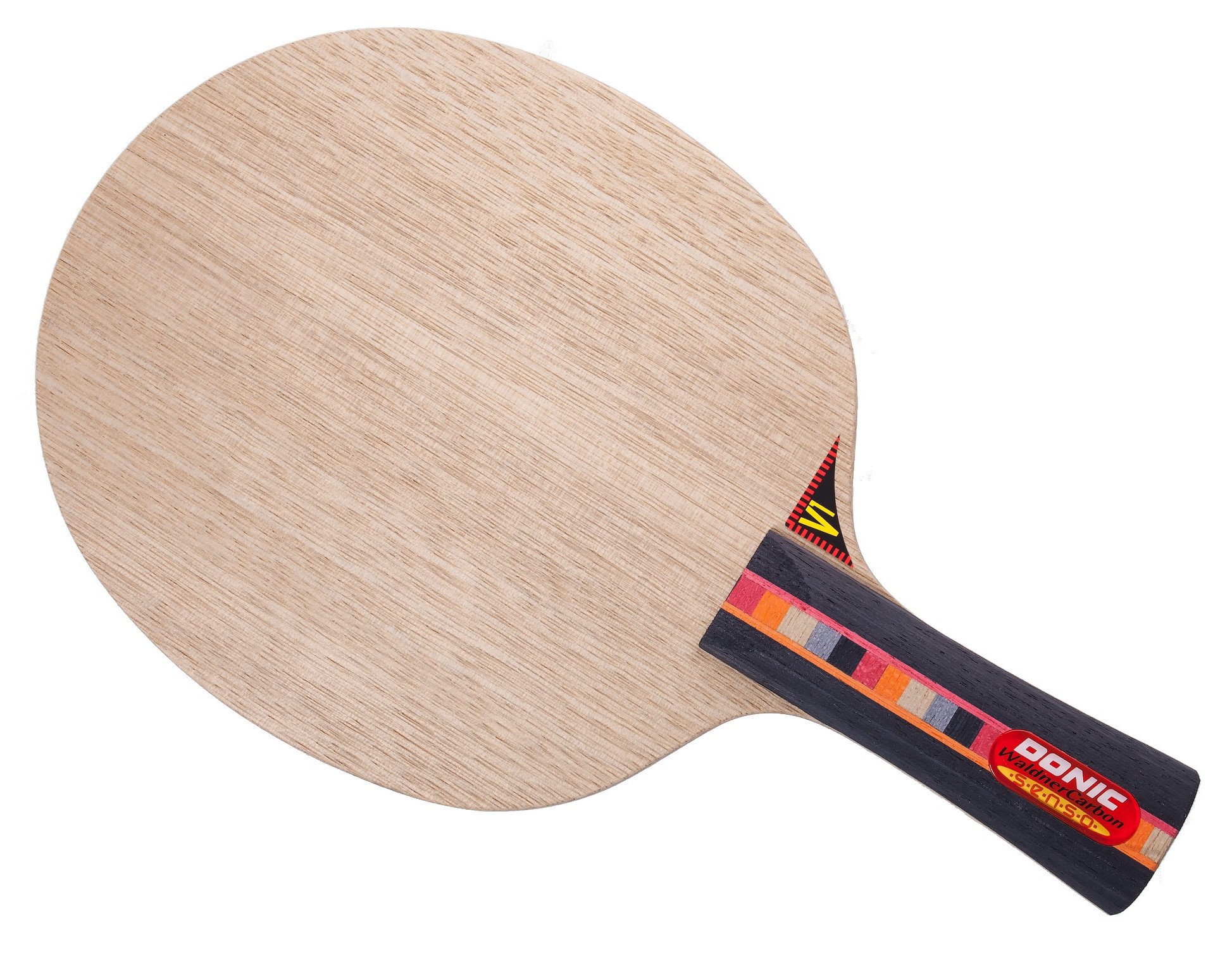
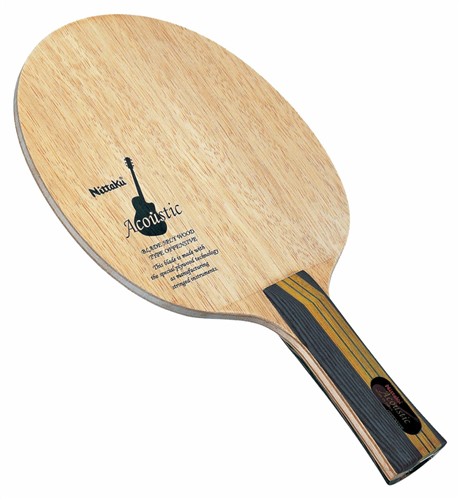
| Donic Waldner Senso Carbon V1 | Nittaku Acoustic | |
|---|---|---|
| Our rating | 8.2/10 | 8.7/10 |
| feel | Soft woody feel with carbon kick; elastic and spin-friendly; medium-high throw angle | Crisp all-wood feel with a large sweet spot, long dwell and a signature acoustic sound |
| handle | Senso V1 hollow handle (vibration-damping) — FL, AN, ST options | FL/ST |
| plies | 7 plies: 5 wood (Limba outer, Ayous mid) + 2 carbon composite | 5-ply all wood (Limba outer veneers over a tung and ayous core) |
| speed | OFF- | OFF- |
| thickness_mm | 5.6-5.8mm | 5.7 |
| weight_g | 85-87g | 88 |
We may earn a commission from links on this page. Learn more.
The Donic Waldner Senso Carbon V1 (8.2) is a 7-ply carbon blade with a woody, natural feel, high throw angle, hollow handle dampening, and close-to-table topspin strength. The Nittaku Acoustic (8.7) is an all-wood classic—class-leading control, large sweet spot, long dwell, excellent spin, and outstanding build quality.
The Donic is lighter (85-87g) and carbon-equipped for some speed. The Nittaku is a premium all-wood that costs more but delivers elite feedback and a large sweet spot. The Donic suits close-to-table, European looping; Nittaku suits mid-distance loopers and control players. Choose Donic if you want carbon feel; choose Nittaku if you want allround all-wood precision.
FAQ
Why does Donic feel woody for a carbon blade?
Carbon is embedded between wood plies (5+2 composite), dampening the typical carbon harshness via the hollow Senso V1 handle.
Which is slower?
Both are OFF-, so very similar in speed. The Donic drops off at mid-distance; Nittaku offers more distance consistency.
Is the Nittaku more expensive?
Yes—premium price for an all-wood blade, but widely considered worth it for control and build quality.
Does the Nittaku handle size matter?
Yes, the standard flared handle runs small/thin. Larger hands often add grip tape or choose the LG or G-Revision version.