Donic Waldner Allplay vs Yinhe T-11+: Which Should You Buy?
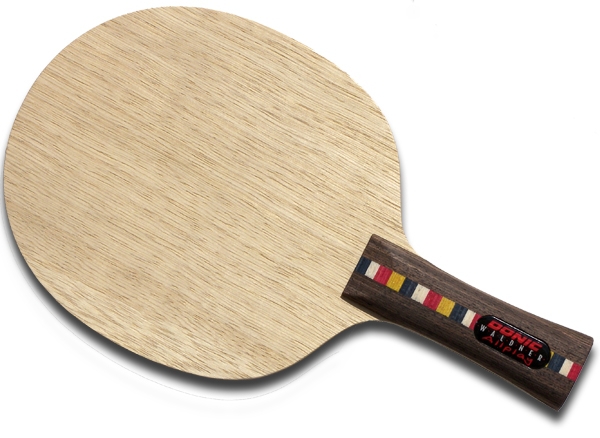
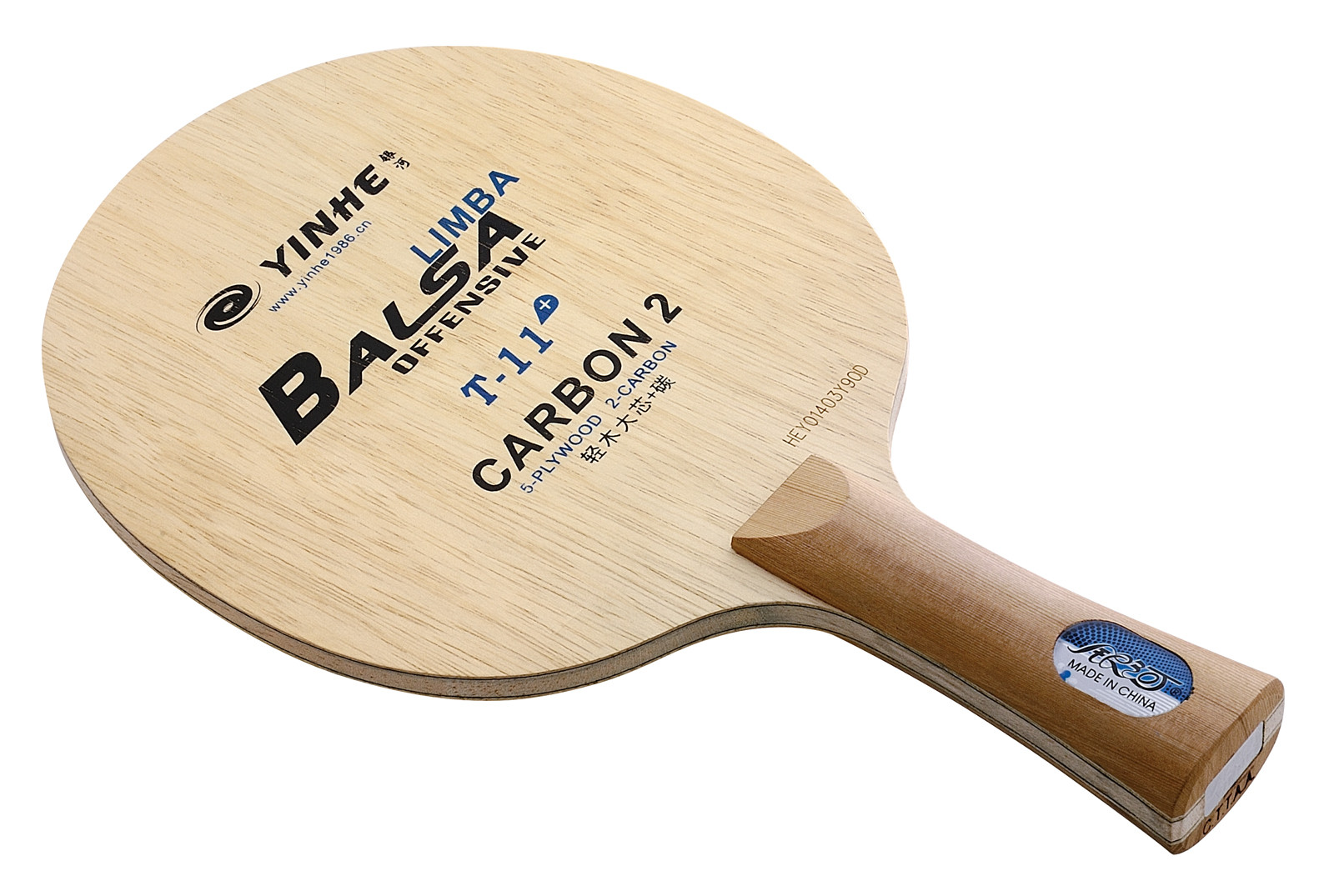
| Donic Waldner Allplay | Yinhe T-11+ | |
|---|---|---|
| Our rating | 8.2/10 | 7.8/10 |
| feel | Soft and forgiving with good dwell time, slight stiffness at sweet spot | very light, stiff but soft balsa core with a carbon ping |
| handle | FL (flared), classic dark-brown wood | FL |
| plies | 5-ply all wood (Limba-Ayous-Ayous-Ayous-Limba) | 5W+2 Carbon with balsa core (two thin wood outers, one carbon layer per side, around a thick balsa middle ply) |
| speed | ALL | OFF- |
| thickness_mm | 5.4-5.6 mm | 6.5 |
| weight_g | approx 85-87 g | 78 |
We may earn a commission from links on this page. Learn more.
The Donic Waldner Allplay (8.2) is soft, forgiving, and ideal for learning allround technique. The Yinhe T-11+ (7.8) is one of the lightest offensive blades around (78g), stiff balsa-carbon with fast speed and excellent stability for flicking, chopping, and blocking. The Yinhe excels at flat hitting and combination play; the Donic excels at close-table control.
The Yinhe is fragile and demands sealing before use. Its short game needs concentration with fast rubbers. Heavy topspin looping is its clear weakness. The Donic is beginner-friendly and versatile. Choose Donic for learning and looping; choose Yinhe T-11+ if you’re intermediate, play pips-out or flat-hitting styles, and want serious speed in a featherlight package.
FAQ
Why is T-11+ rated lower than Donic?
It’s specialized—excellent for flat hitters and choppers, weak for topspin loopers. The Donic is more universally useful.
Is the surface fragile?
Yes, very. It can splinter and must be sealed before use.
Will passive blocks work well?
No. Passive blocks can lack rebound; the blade rewards active punching.
Who should buy T-11+?
Flat hitters, pips-out, combination players, and power blockers—not topspin loopers.