Donic Persson Powerplay vs Donic Waldner Allplay: Which Should You Buy?
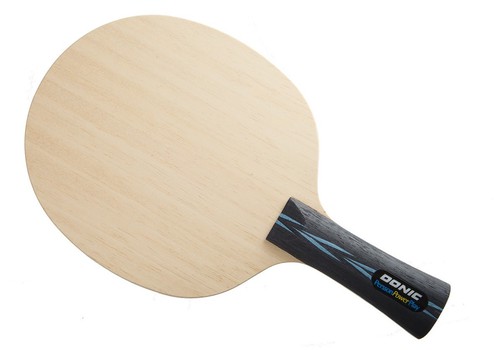
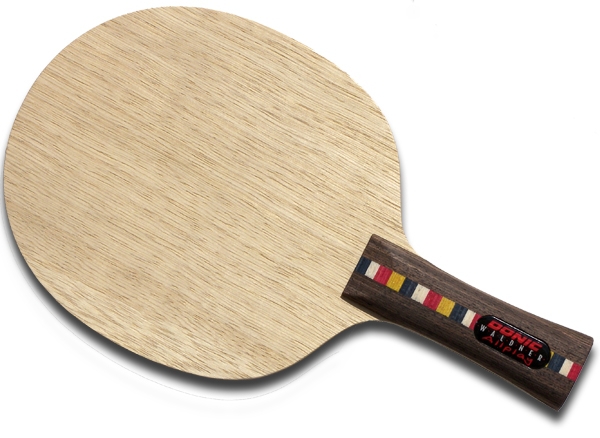
| Donic Persson Powerplay | Donic Waldner Allplay | |
|---|---|---|
| Our rating | 8.2/10 | 8.2/10 |
| feel | Hard outer koto plies with internal foil damping layers; crisp feel with excellent feedback | Soft and forgiving with good dwell time, slight stiffness at sweet spot |
| handle | FL | FL (flared), classic dark-brown wood |
| plies | 7-ply all wood | 5-ply all wood (Limba-Ayous-Ayous-Ayous-Limba) |
| speed | OFF | ALL |
| thickness_mm | 5.9 | 5.4-5.6 mm |
| weight_g | 90 | approx 85-87 g |
We may earn a commission from links on this page. Learn more.
Persson Powerplay and Waldner Allplay are both all-wood, discontinued Donic blades, but target different skill levels. Persson Powerplay is an intermediate-to-advanced offensive blade with crisp koto feedback and OFF-class pace. Waldner Allplay is a beginner-to-intermediate control blade with soft limba outer ply and ALL-class speed.
Powerplay’s hard koto plies and foil damping deliver tactile feedback rewarding strong technique. Allplay’s soft limba provides forgiving, high-dwell feel suited to developing all-around play. Powerplay demands committed strokes; Allplay is more tentative-friendly. For intermediate attackers building offensive game, Powerplay excels. For beginners and control-first players, Allplay is safer and more versatile across rubber types.
FAQ
Which is better for penholder?
Persson Powerplay is noted as working well for both shakehand and penhold. Allplay is primarily shakehand.
Why does Allplay limit mid- and long-distance play?
ALL-class speed is inherently modest. Distance play demands fast rubber to compensate.
Which has better durability?
Both are all-wood and durable if cared for. Allplay’s softer wood may dent more easily.
Can I use Allplay competitively?
Yes, paired with fast rubber on both wings at club level.
Is Persson Powerplay worth hunting in the used market?
Yes. Its crisp feel and OFF-class pace are valued, and used prices are fair.