Donic Bluestorm Z1 Turbo vs Yasaka Mark V: Which Should You Buy?
| Donic Bluestorm Z1 Turbo | Yasaka Mark V | |
|---|---|---|
| Our rating | 8.3/10 | 8.0/10 |
| best_side | forehand | both |
| control | 8.2/10 | 9.5 |
| speed | 9.8/10 | 8.4 |
| spin | 9.9/10 | 8.5 |
| sponge_hardness | 50 degrees | medium (around 43 degrees ESN) |
| type | inverted | inverted |
| weight_uncut_g | 71 | 47 |
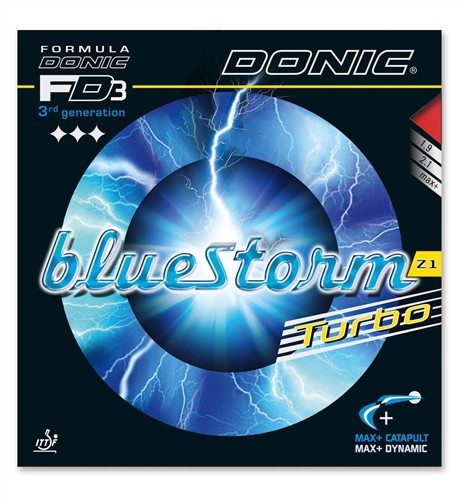
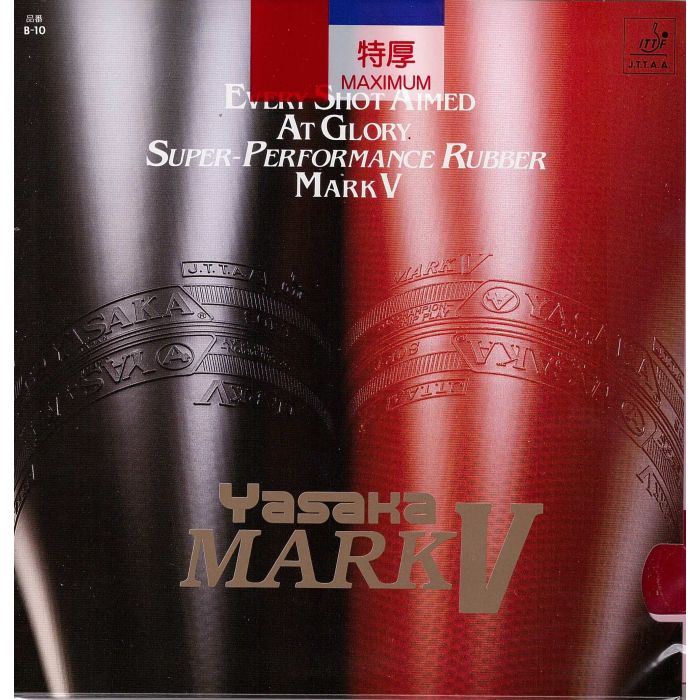
We may earn a commission from links on this page. Learn more.
These occupy opposite ends of the table-tennis rubber spectrum. Bluestorm Z1 Turbo pushes modern physics to its limit: extreme speed, topspin, and catapult for attackers comfortable with booster and technical demands. Mark V is a patient, beginner-friendly control rubber that prioritizes consistency, long lifespan, and touch.
Bluestorm requires a fast blade and expert technique to avoid wild errors. Mark V excels in the hands of developing players who value ball placement and spin variation over flat-out pace. If you loop from mid-distance and demand power, choose Bluestorm. If you build points with precision, pushes, and blocks, Mark V is the better teacher.
FAQ
Why does Mark V perform worse with plastic balls?
It was designed for celluloid. The topsheet bite and sponge response do not translate as well to the faster, bouncier plastic ball.
Is Mark V slower because it is older technology?
Yes. Mark V is a proven, stable inverted rubber without tensor technology. Bluestorm’s ESN tensor sponge and low throw unlock significantly more speed.
Which is better for learning?
Mark V by far. Its forgiving spin sensitivity, long dwell, and consistent feedback teach technique better than Bluestorm’s unforgiving response.
Can I use Mark V competitively?
Yes, as a backhand or on a slower blade where control outweighs pace. It is still used by club-level players and coaches.
How long do they last?
Mark V is legendary for durability and sheet-to-sheet uniformity over years. Bluestorm is durable but degrades faster under heavy use.