Donic Bluefire M3 vs JOOLA Dynaryz AGR: Which Should You Buy?
| Donic Bluefire M3 | JOOLA Dynaryz AGR | |
|---|---|---|
| Our rating | 8.3/10 | 8.7/10 |
| best_side | backhand | FH |
| control | High | 7 |
| speed | Medium-high (ALL+ to OFF-) | 9.6 |
| spin | Very high | 9.3 |
| sponge_hardness | 40 degrees (ESN), approximately 33-34 degrees Shore A | Hard (around 50 degrees EUR, purple Hyperbounce sponge) |
| type | inverted | inverted |
| weight_uncut_g | 47 | 71 |
We may earn a commission from links on this page. Learn more.
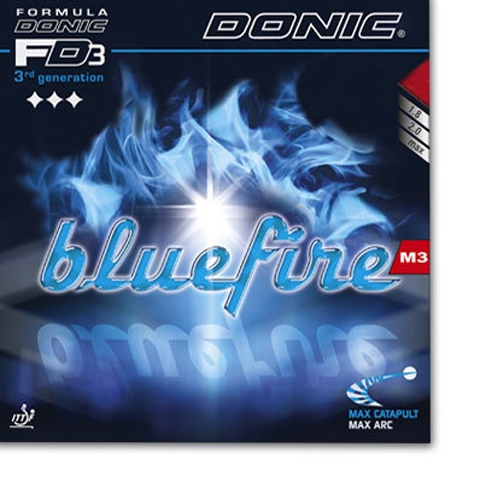
Donic Bluefire M3 and JOOLA Dynaryz AGR represent opposite extremes of the tensor spectrum. M3 is soft, control-oriented, and loop-friendly, emphasizing forgiveness and dwell time. Very forgiving contact suits spin-first games and backhand development, though topsheet durability is below-average.
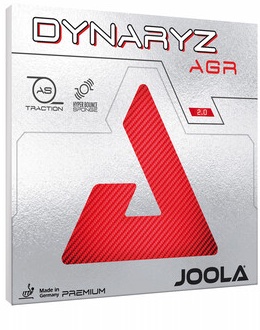
Dynaryz AGR is among the fastest tensors available, ranked faster than Tenergy 05 and Tenergy 64. Elite spin output and catapult effect deliver maximum speed and spin for close-to-table aggressive attack. However, limited passive control and low, unforgiving short game suit only advanced, forehand-dominant offensive players with clean technique.
FAQ
Which is better for beginners?
M3, much more accessible and forgiving. AGR demands clean, committed technique.
Which is faster?
Dynaryz AGR rated 9.6 speed, among fastest available. M3 is medium-high.
Which has better durability?
Dynaryz AGR has limited durability, dead in four to six months under heavy use. M3 is similar.
Can AGR be used for short game?
No. Its low, unforgiving short game makes it unsuitable for all-round play.
What rating should I have to use AGR?
Advanced competitive players only. Not recommended for players around 1600 and below.