Donic Bluefire M2 vs Tibhar Evolution FX-P: Which Should You Buy?
| Donic Bluefire M2 | Tibhar Evolution FX-P | |
|---|---|---|
| Our rating | 8.4/10 | 8.4/10 |
| best_side | both | Backhand or allround forehand |
| control | medium-high | 68 |
| speed | high | 94 |
| spin | high | 98 |
| sponge_hardness | around 42.5 to 45 degrees (medium) | approx 40 degrees (softest in Evolution line) |
| type | tensor inverted | Inverted / tensor |
| weight_uncut_g | 68 | 68 |
We may earn a commission from links on this page. Learn more.
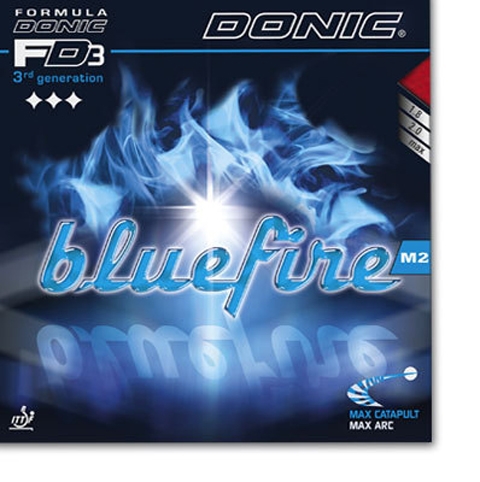
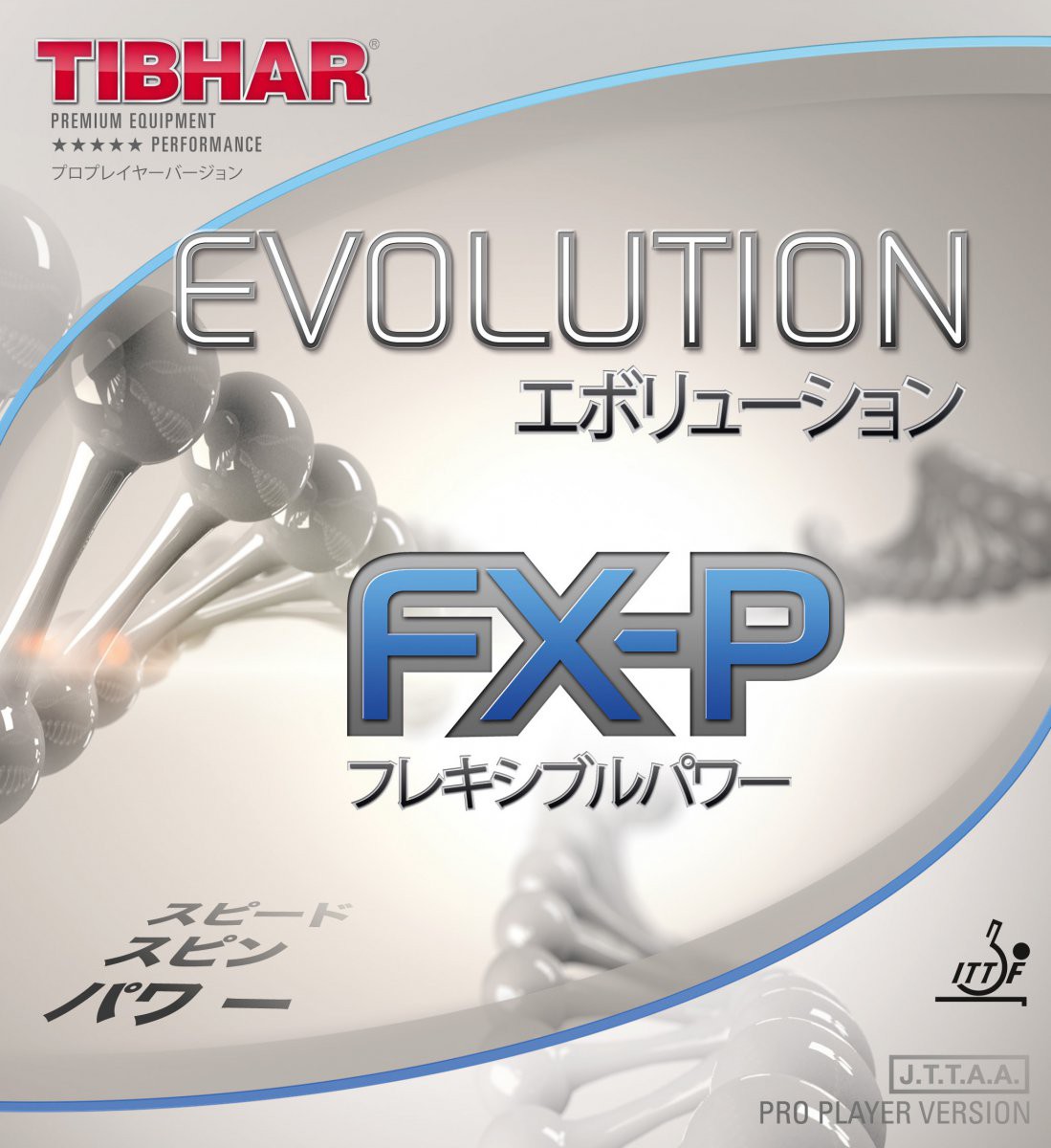
Both reach 8.4 rating but serve different playing styles. The M2 (8.4) is a bouncy, grippy medium-hardness tensor that excels on backhand and responds well to boosting, suited for loopers who play close-to-mid distance. Evolution FX-P (8.4) is a softer (around 40 degrees), more forgiving tensor that delivers outstanding spin and exceptional error forgiveness, ideal for intermediate-to-upper-intermediate all-rounders on both forehand and backhand. M2 can betray short pushes due to bounciness; FX-P shines at blocking, touch and consistent spin generation. M2’s sponge is fragile and shrinks when reglued; FX-P offers longer topsheet durability. Pick M2 if you boost actively and want backhand catapult; pick FX-P if you prioritize consistency and high error forgiveness across the entire table.
FAQ
Which rubber is more forgiving on mishits?
Evolution FX-P is very forgiving with high return rate and excellent control on mishits. M2 requires more active technique and can betray passive shots.
Which is better for backhand play?
Bluefire M2 excels on backhand flicks, loops and sidespin. Evolution FX-P works brilliantly on both forehand and backhand with consistent predictable feel.
Which rubber lasts longer?
FX-P offers longer-lasting topsheet performance than M2. M2’s sponge is fragile, porous and shrinks noticeably when reglued.