Donic Bluefire M2 vs Donic Bluestorm Z1 Turbo: Which Should You Buy?
| Donic Bluefire M2 | Donic Bluestorm Z1 Turbo | |
|---|---|---|
| Our rating | 8.4/10 | 8.3/10 |
| best_side | both | forehand |
| control | medium-high | 8.2/10 |
| speed | high | 9.8/10 |
| spin | high | 9.9/10 |
| sponge_hardness | around 42.5 to 45 degrees (medium) | 50 degrees |
| type | tensor inverted | inverted |
| weight_uncut_g | 68 | 71 |
We may earn a commission from links on this page. Learn more.
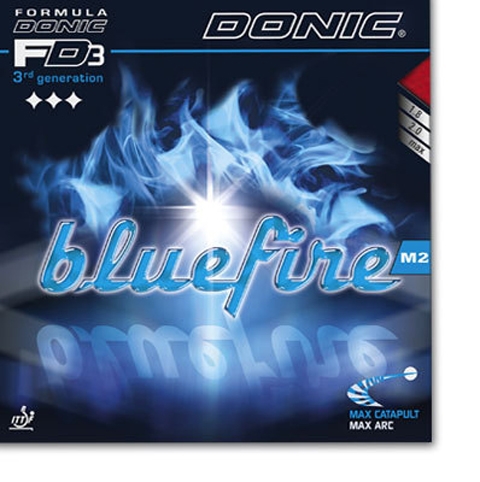
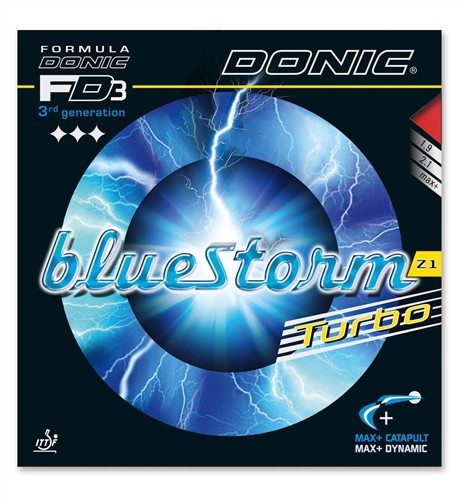
M2 (8.4) excels on backhand with grippy topsheet, high arc, and strong catapult responding to boosting. Z1 Turbo (8.3) promises best-in-class speed among ESN tensors when boosted but is highly inconsistent and unstable without additives. M2 is medium-soft (42.5-45 degrees), forgiving, and accessible. Z1 at 50 degrees is harder and demands booster ritual. M2 bouncy on slow touches (short pushes go long); Z1 short game is problematic (flicks overshoot, blocking unreliable). M2 is heavier (68g); Z1 heavier still (71g). Both benefit from booster, but M2 performs adequately without it, while Z1 is unacceptable without. M2 for backhand-friendly intermediate loopers; Z1 only for advanced players committed to booster use.
FAQ
Which requires booster?
Both respond to booster, but M2 performs adequately without it. Z1 essentially requires booster.
Which handles short game better?
M2 has issues but more predictable. Z1 short game is problematic—flicks and blocks fail.
Which is heavier?
Z1 at 71g slightly heavier than M2 at 68g, though both are substantial.
Which is more reliable without additives?
M2 adequately reliable. Z1 without booster is highly inconsistent and unstable.
Which suits intermediate players better?
M2 far more accessible. Z1 demands advanced technique and booster comfort.