Donic Bluefire M1 vs Yinhe Mercury II: Which Should You Buy?
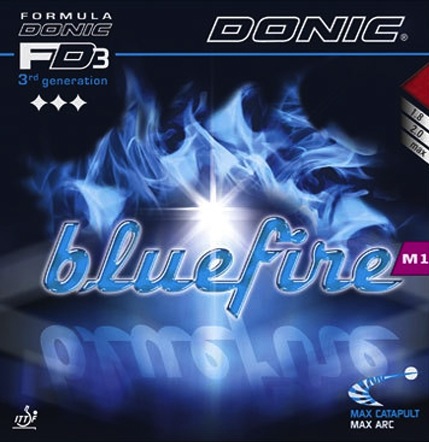
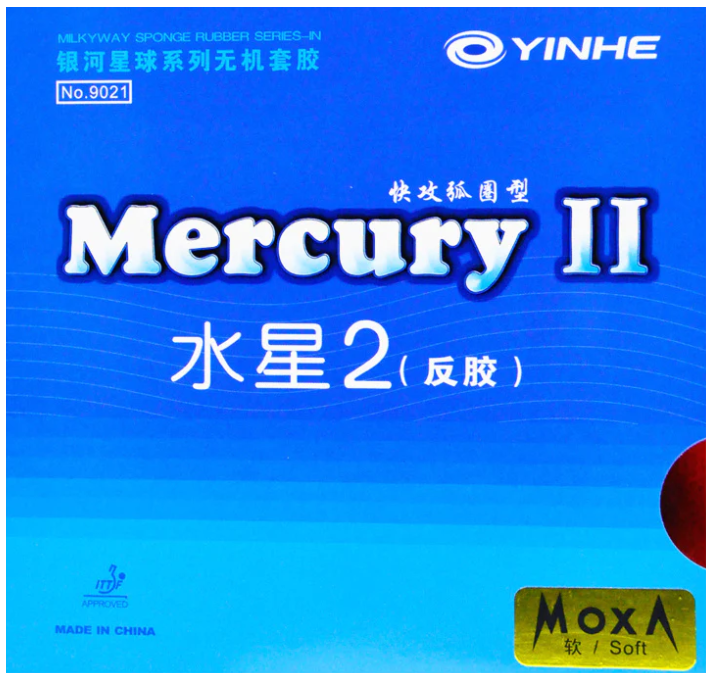
| Donic Bluefire M1 | Yinhe Mercury II | |
|---|---|---|
| Our rating | 8.4/10 | 8.2/10 |
| best_side | Forehand | both |
| control | 9.1 / 10 | very high |
| speed | 9.7 / 10 | medium |
| spin | 9.0 / 10 | high |
| sponge_hardness | 47.5 degrees (medium-hard) | medium to medium-soft (36-38 degrees Chinese scale) |
| type | Inverted / Tensor | tacky inverted (budget Chinese) |
| weight_uncut_g | approx 49 g | 60 |
We may earn a commission from links on this page. Learn more.
These represent vastly different player levels and budgets. The M1 (8.4) targets elite attackers (1500+ USATT) with 9.7 speed and unforgiving response, while Mercury II (8.2) at five dollars per sheet serves beginners, improvers, defenders and control-focused all-rounders. Mercury II’s soft-to-medium sponge is forgiving and elastic; M1 is rock-hard and demands advanced technique. Mercury II excels at high spin on serves, loops and chops with very high control; M1 excels at heavy dipping topspin loops for forehand specialists. Pick M1 only if you have elite technique and attack-focused forehand play; pick Mercury II if you are building your first custom racket on a tight budget or if control and spin matter more than speed.
FAQ
Can Mercury II be used by advanced players?
Yes, but it is optimized for beginners and defenders. It lacks the speed and catapult that advanced attackers expect, and passive shots play medium with net clipping risk due to its medium throw angle.
Which rubber offers better value?
Mercury II is outstanding value at around five dollars per sheet with genuine tacky grip. M1 is mid-range priced but competitive with premium rubbers like Tenergy 05.
What’s the speed difference?
M1 reaches 9.7/10 speed versus Mercury II at medium speed. This is the defining gap: M1 is built for aggressive pace; Mercury II rewards active control and spin generation.