Donic Bluefire M1 vs Yinhe Big Dipper: Which Should You Buy?
| Donic Bluefire M1 | Yinhe Big Dipper | |
|---|---|---|
| Our rating | 8.4/10 | 8.4/10 |
| best_side | Forehand | forehand |
| control | 9.1 / 10 | high |
| speed | 9.7 / 10 | medium (offensive) |
| spin | 9.0 / 10 | extreme |
| sponge_hardness | 47.5 degrees (medium-hard) | 38/39/40 degrees (provincial-style blue sponge; 39 measures roughly 51 ESN) |
| type | Inverted / Tensor | hybrid tacky (blue sponge) |
| weight_uncut_g | approx 49 g | 68 |
We may earn a commission from links on this page. Learn more.
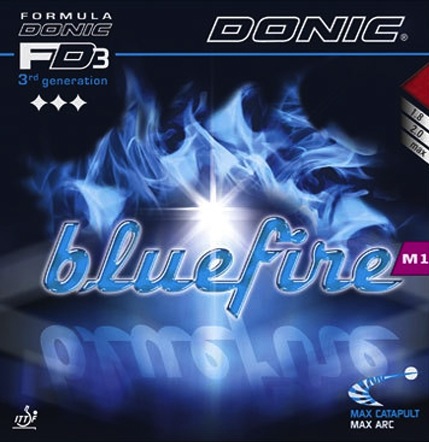
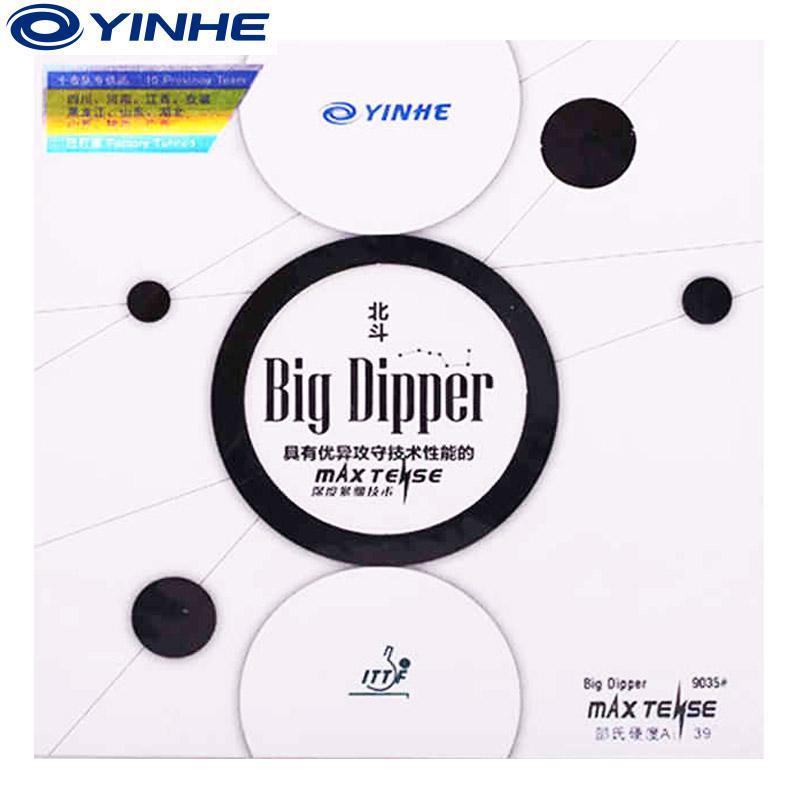
The M1 (8.4) reaches 9.7 speed with unforgiving requirements and a tensor-dominated response; Big Dipper (8.4) is a budget spin-oriented tacky rubber using a modern blue sponge for exceptional stability. M1 suits advanced forehand attackers who loop aggressively at close-to-mid table; Big Dipper suits spin-oriented intermediate attackers who want tacky grip and genuine value (national version approaches boosted Hurricane 3). Both prioritize forehand but reward different stroke habits: M1 demands pace; Big Dipper rewards active hard hitting and suits players pairing it with a fast blade. The M1 will fade in performance after one to two months; Big Dipper needs break-in time and may benefit from boosting but offers longer-term durability at lower cost.
FAQ
Which rubber is better for spin and control?
Both offer high spin, but Big Dipper emphasizes exceptional spin-driven play with a tacky topsheet and modern porous sponge for stability, while M1 relies on throw angle and speed to generate heavy dipping loops.
Which is more beginner-friendly?
Big Dipper is more forgiving and budget-conscious but still demands active hitting from intermediate players. M1 is explicitly not beginner-friendly and requires 1400+ USATT rating.
How long do these rubbers last?
M1 performance fades after one to two months as factory boost expires. Big Dipper requires break-in and may benefit from boosting but offers strong durability as a budget alternative to premium European rubbers.