Donic Bluefire M1 vs Yasaka Rakza 7 Soft: Which Should You Buy?
| Donic Bluefire M1 | Yasaka Rakza 7 Soft | |
|---|---|---|
| Our rating | 8.4/10 | 8.2/10 |
| best_side | Forehand | backhand or both |
| control | 9.1 / 10 | 9+ (Yasaka scale) |
| speed | 9.7 / 10 | 11 (Yasaka scale) |
| spin | 9.0 / 10 | 14+ (Yasaka scale) |
| sponge_hardness | 47.5 degrees (medium-hard) | 40 degrees (37-42 ESN range) |
| type | Inverted / Tensor | tensor/inverted |
| weight_uncut_g | approx 49 g | approximately 42-44g |
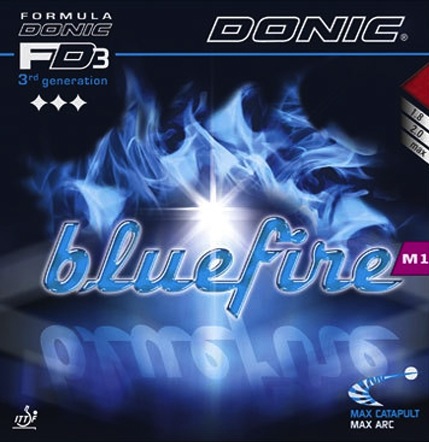
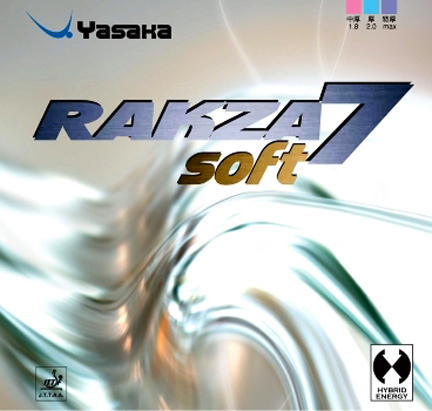
We may earn a commission from links on this page. Learn more.
M1 (8.4) is the hardest, fastest Bluefire, targeting 1500-plus USATT specialists with high throw angle and spin-dominant topspin from close-to-mid distance. Rakza 7 Soft (8.2) emphasizes control and serve-receive precision at soft 40 degrees, excelling on backhand and with new poly balls. Rakza 7 Soft consistently outscores comparable tensors in control and offers generous net clearance. However, speed lags and penetration from mid-far distance is limited. M1 fades within 1-2 months. Rakza 7 Soft is the superior first tensor upgrade for intermediates. M1 for forehand-only attackers seeking extremity; Rakza 7 Soft for developing, all-round, or backhand-focused players prioritizing control over explosiveness.
FAQ
Which is significantly harder and faster?
M1 is dramatically harder and faster. Rakza 7 Soft prioritizes soft control over speed.
Which is better for developing players?
Rakza 7 Soft overwhelmingly. M1 requires 1500-plus USATT skill.
Which works on backhand?
Rakza 7 Soft excels on backhand. M1 too hard for most on non-dominant wing.
Which handles poly balls better?
Rakza 7 Soft optimized for new poly balls. M1 works with poly but not specialized.
Which is more durable?
Rakza 7 Soft reports better durability. M1 fades within 1-2 months.