Donic Bluefire M1 vs Tibhar Hybrid K3: Which Should You Buy?
| Donic Bluefire M1 | Tibhar Hybrid K3 | |
|---|---|---|
| Our rating | 8.4/10 | 8.3/10 |
| best_side | Forehand | FH |
| control | 9.1 / 10 | medium-high |
| speed | 9.7 / 10 | offensive (low OFF, between Evolution MX-S and MX-P) |
| spin | 9.0 / 10 | high |
| sponge_hardness | 47.5 degrees (medium-hard) | hard, approximately 53 degrees on the ESN scale |
| type | Inverted / Tensor | tacky hybrid |
| weight_uncut_g | approx 49 g | 70 |
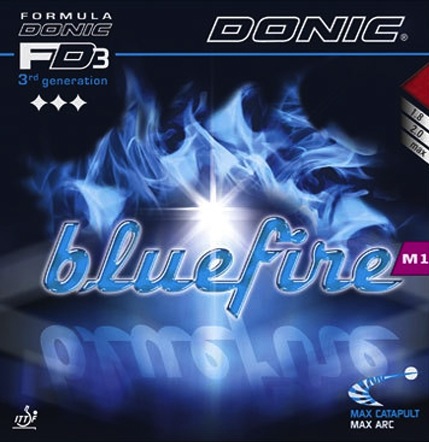
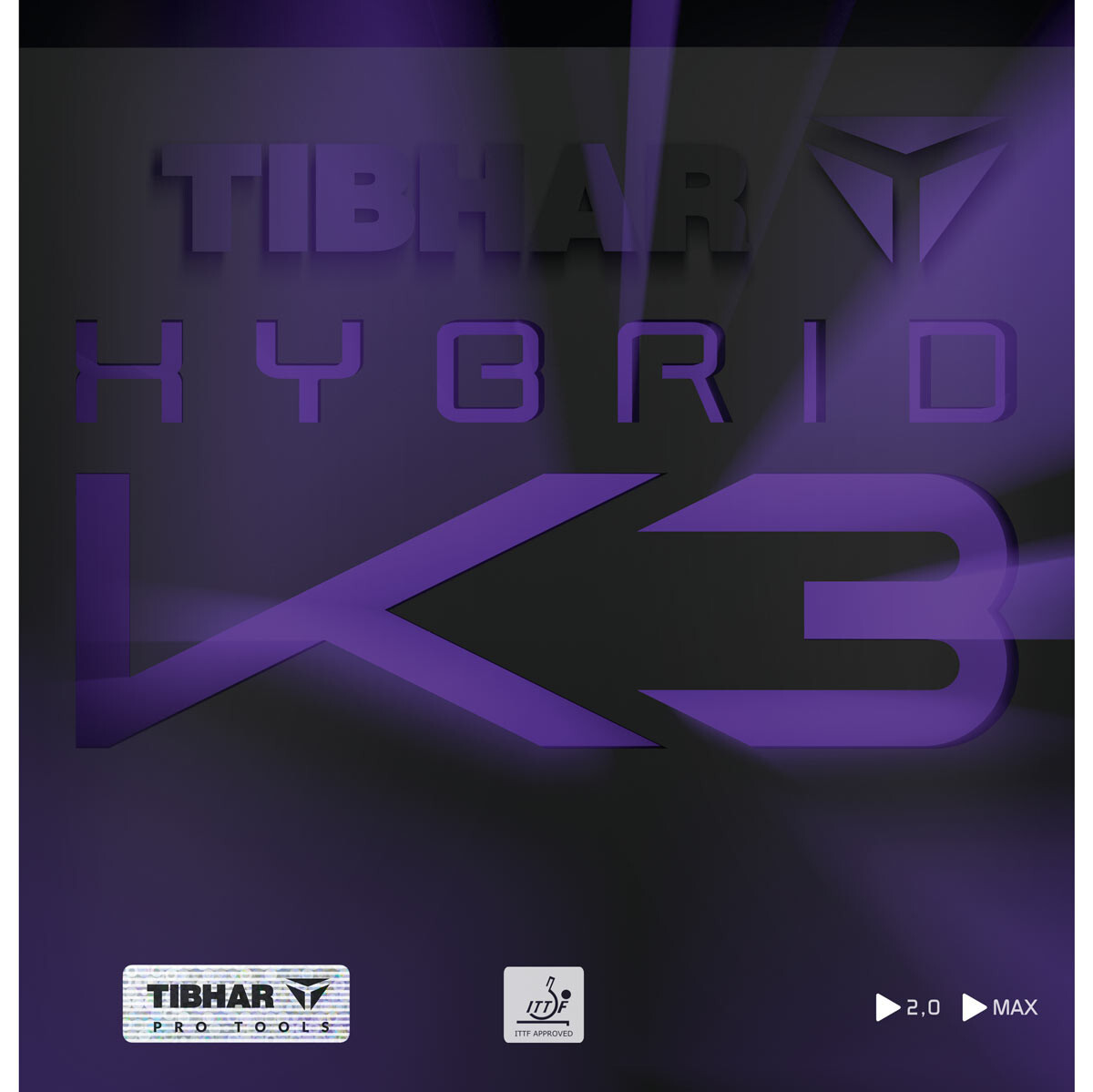
We may earn a commission from links on this page. Learn more.
Pick Donic Bluefire M1 if you need consistent hard, fast tensor speed with good long durability and excellent short-game control for close-to-mid table looping. Choose Tibhar Hybrid K3 if you are an advanced offensive player on a stiff carbon blade who values elite blocking, phenomenal counter-drives and crisp, speed-glue-like control on a fast forehand—but accept that tackiness and spin fade in weeks to roughly two months. The K3 is a cheaper, slightly bouncier alternative to Dignics 09C with similar character. M1 is consistent performer; K3 is short-life elite.
FAQ
What is the main downside of K3?
Poor durability; tackiness and spin fade in roughly 2 months, making it expensive despite lower price.
Which is better for short game?
Tibhar Hybrid K3 with genuinely strong control and precise short touches despite its speed.
Which lasts longer?
M1 holds grip for 1-2 months; K3 is often dead in weeks to 2 months.
Which is better for players who train heavily?
M1 is better for heavy trainers; K3’s short lifespan becomes a deal-breaker with frequent use.