Donic Bluefire M1 vs Tibhar Evolution MX-S: Which Should You Buy?
| Donic Bluefire M1 | Tibhar Evolution MX-S | |
|---|---|---|
| Our rating | 8.4/10 | 8.4/10 |
| best_side | Forehand | Forehand |
| control | 9.1 / 10 | High |
| speed | 9.7 / 10 | OFF |
| spin | 9.0 / 10 | Very High (11.5 on Tibhar scale, highest in Evolution range) |
| sponge_hardness | 47.5 degrees (medium-hard) | around 47.3 degrees (hard) |
| type | Inverted / Tensor | Inverted tensor (ESN) |
| weight_uncut_g | approx 49 g | 76 g (2.1-2.2 mm uncut sheet) |
We may earn a commission from links on this page. Learn more.
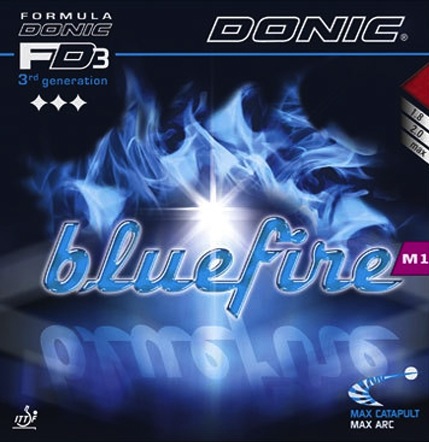
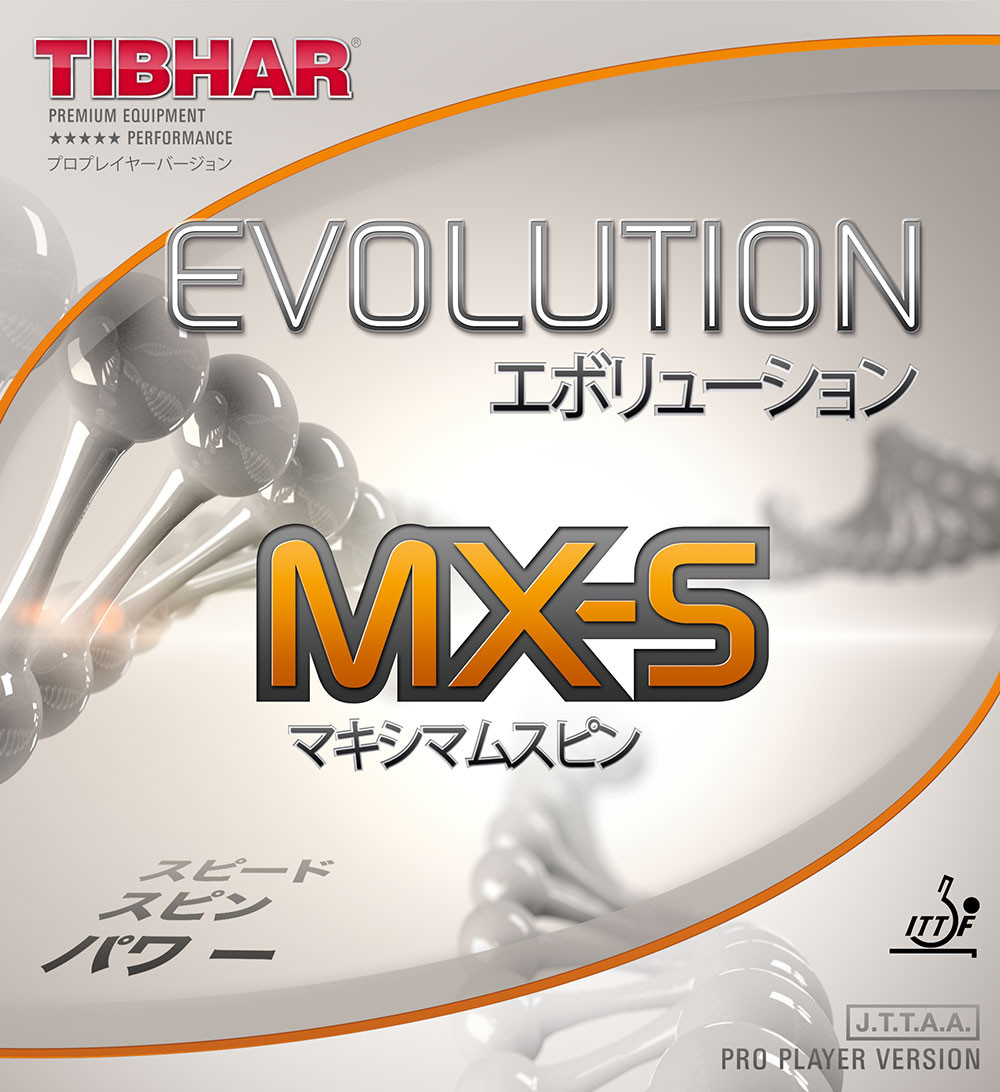
The Donic Bluefire M1 (8.4) is a hard, fast forehand tensor with catapult-driven power and high throw angle for dipping topspin loops, while Tibhar Evolution MX-S (8.4) is a heavier, high-spin-output rubber for technique-driven players who generate their own speed through stroke precision and excel at blocking and serve control. The M1 fades in performance after one to two months as factory boost expires and is unforgiving for players below 1400 USATT; MX-S is very consistent batch-to-batch, delivers the highest spin in the Evolution range, and works at all distances, but its 76g weight and demanding technique requirements make it unsuitable for casual players. Both are forehand-focused, but M1 relies on immediate catapult while MX-S rewards technique mastery and blocking skill.
Pick M1 if you are advanced (1500+ USATT), want explosive catapult for aggressive looping, and accept performance fade after boost expires. Choose MX-S if you prefer generating your own speed through technique, value high-spin serves and blocks, and want consistent batch production over built-in catapult.
FAQ
Which is heavier and how does it affect setup?
MX-S is heavy at 76g uncut, significantly adding weight to your overall setup. M1 is around 49g, considerably lighter and easier to balance.
Which spins better for serves and passive techniques?
MX-S has the highest spin output in the Evolution range with exceptional short game and serve control. M1 delivers high spin but is optimized for full aggressive strokes.
Which is more forgiving for imprecise strokes?
M1 rewards aggressive arm acceleration. MX-S demands strong technique and is not forgiving for passive or imprecise strokes.
Which maintains performance longer?
MX-S durability starts declining after about 6 months of intensive play. M1 performance fades after one to two months as factory boost expires.
Which is better for all-distance play?
MX-S works well at all distances from close-table to mid-distance. M1 is not ideal for far-distance play.