Donic Bluefire M1 vs Nittaku Fastarc S-1: Which Should You Buy?
| Donic Bluefire M1 | Nittaku Fastarc S-1 | |
|---|---|---|
| Our rating | 8.4/10 | 7.9/10 |
| best_side | Forehand | forehand or backhand |
| control | 9.1 / 10 | 70 |
| speed | 9.7 / 10 | 97 |
| spin | 9.0 / 10 | 96 |
| sponge_hardness | 47.5 degrees (medium-hard) | 35 degrees |
| type | Inverted / Tensor | inverted |
| weight_uncut_g | approx 49 g | around 41-43g |
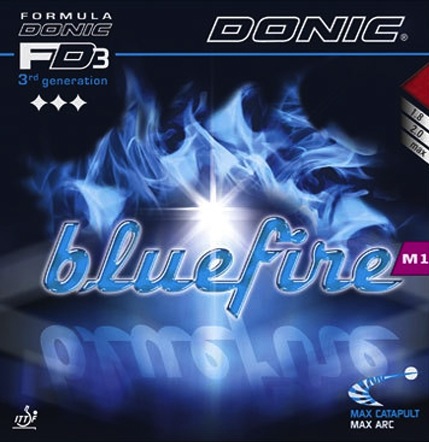
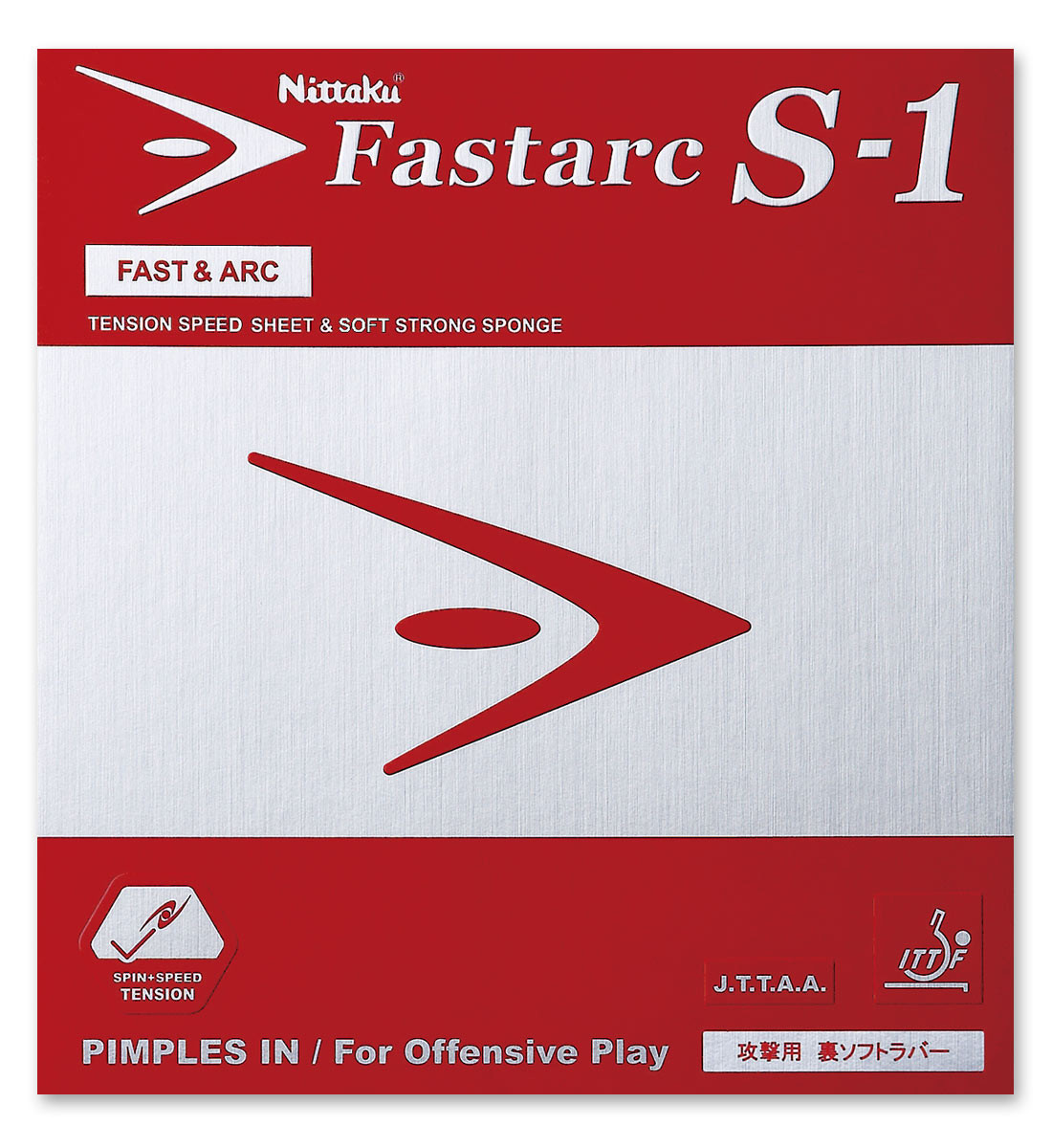
We may earn a commission from links on this page. Learn more.
M1 (8.4) is the hardest, fastest Bluefire variant, demanding 1500-plus USATT technique for close-to-mid table topspin attacks. S-1 (7.9) is exceptionally lightweight (under 43g) and soft (35 degrees), delivering genuine tensor speed without stiffness. S-1 accessible for developing and intermediate players, excels at blocking and serve-return, and works on both wings. M1 is far faster (9.7/10 vs 97 on different scales) but requires elite technique and fades after 1-2 months. S-1 spin output lags considerably. M1 for established forehand specialists seeking extremity; S-1 for intermediates and backhand players seeking lightweight speed and forgiving control. Opposite ends of the spectrum.
FAQ
Which is significantly lighter?
S-1 under 43g uncut is much lighter than M1 (approx 49g), crucial for control.
Which is harder and faster?
M1 is dramatically harder and faster. S-1 is soft and speed-moderate for its type.
Which is more accessible to developing players?
S-1 is highly accessible. M1 requires 1500-plus USATT skill to avoid overwhelming.
Which works better on backhand?
S-1 excellent on backhand. M1 too hard for most players on non-dominant wing.
Which is more durable?
S-1 reports better durability than M1, which fades within 1-2 months.