Donic Bluefire M1 vs Nittaku Fastarc P-1: Which Should You Buy?
| Donic Bluefire M1 | Nittaku Fastarc P-1 | |
|---|---|---|
| Our rating | 8.4/10 | 7.8/10 |
| best_side | Forehand | forehand |
| control | 9.1 / 10 | 8.5 |
| speed | 9.7 / 10 | 15.5 |
| spin | 9.0 / 10 | 12.25 |
| sponge_hardness | 47.5 degrees (medium-hard) | 47.5 degrees |
| type | Inverted / Tensor | tensor |
| weight_uncut_g | approx 49 g | 70 |
We may earn a commission from links on this page. Learn more.
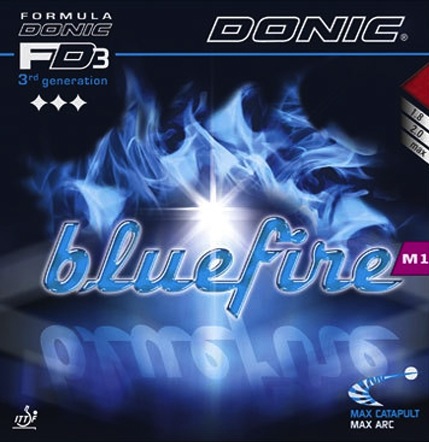
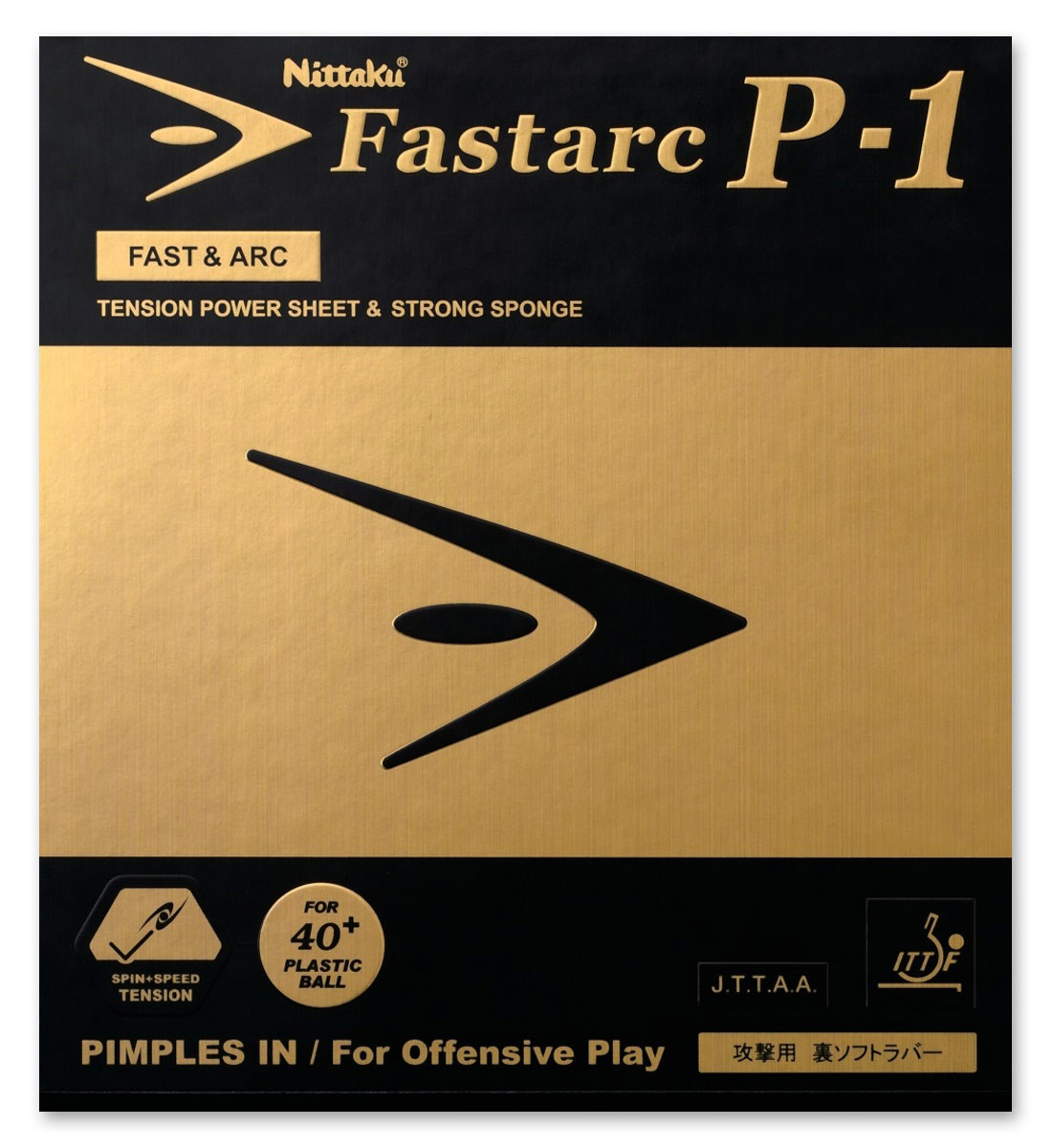
M1 (8.4) at 9.7/10 speed is the fastest Bluefire, prioritizing hard, fast forehand topspin for close-to-mid table attackers. P-1 (7.8) emphasizes high arc and spin sensitivity, rewarding full, technically sound strokes and punishing weak or tentative ones severely. M1 is heavier (approx 49g) and fades after 1-2 months. P-1 at 70g uncut is heavier still and demands full-body commitment. M1 suits advanced attackers seeking raw speed; P-1 targets precision specialists who can execute flawlessly. Both are unforgiving to developing players. M1 wins on speed, accessibility of power. P-1 wins on spin finesse and high-arc safety margin. Choose M1 for speed-seeking attackers; P-1 only if technique is sound and you commit fully to each stroke.
FAQ
Which is significantly harder?
M1 is one of the hardest options. P-1 at 47.5 degrees is medium-hard but demands technique.
Which weighs more?
P-1 at 70g uncut is heavier than M1 (approx 49g), affecting balance and swing.
Which punishes weak strokes more?
P-1 severely punishes tentative or arm-only strokes. M1 is more forgiving within its extreme range.
Which generates more spin on power loops?
P-1 spin rivals top competitors on committed strokes. M1 emphasizes speed over spin finesse.
Which requires fewer re-gluings?
P-1 reports better durability than M1, which fades within 1-2 months.