Donic Bluefire M1 vs Nittaku Fastarc C-1: Which Should You Buy?
| Donic Bluefire M1 | Nittaku Fastarc C-1 | |
|---|---|---|
| Our rating | 8.4/10 | 8.4/10 |
| best_side | Forehand | backhand or allround |
| control | 9.1 / 10 | high |
| speed | 9.7 / 10 | 15.25 (Nittaku scale) |
| spin | 9.0 / 10 | 12.25 (Nittaku scale) |
| sponge_hardness | 47.5 degrees (medium-hard) | 45 degrees |
| type | Inverted / Tensor | inverted / tensor |
| weight_uncut_g | approx 49 g | approx 47 g (157 x 150 mm sheet) |
We may earn a commission from links on this page. Learn more.
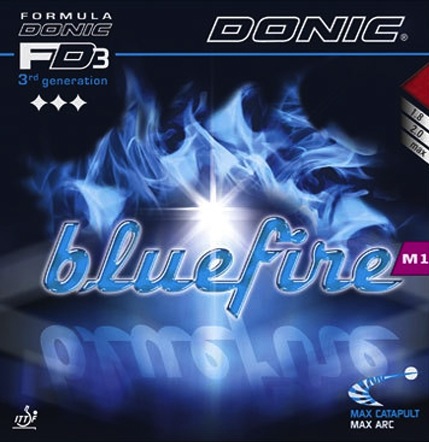
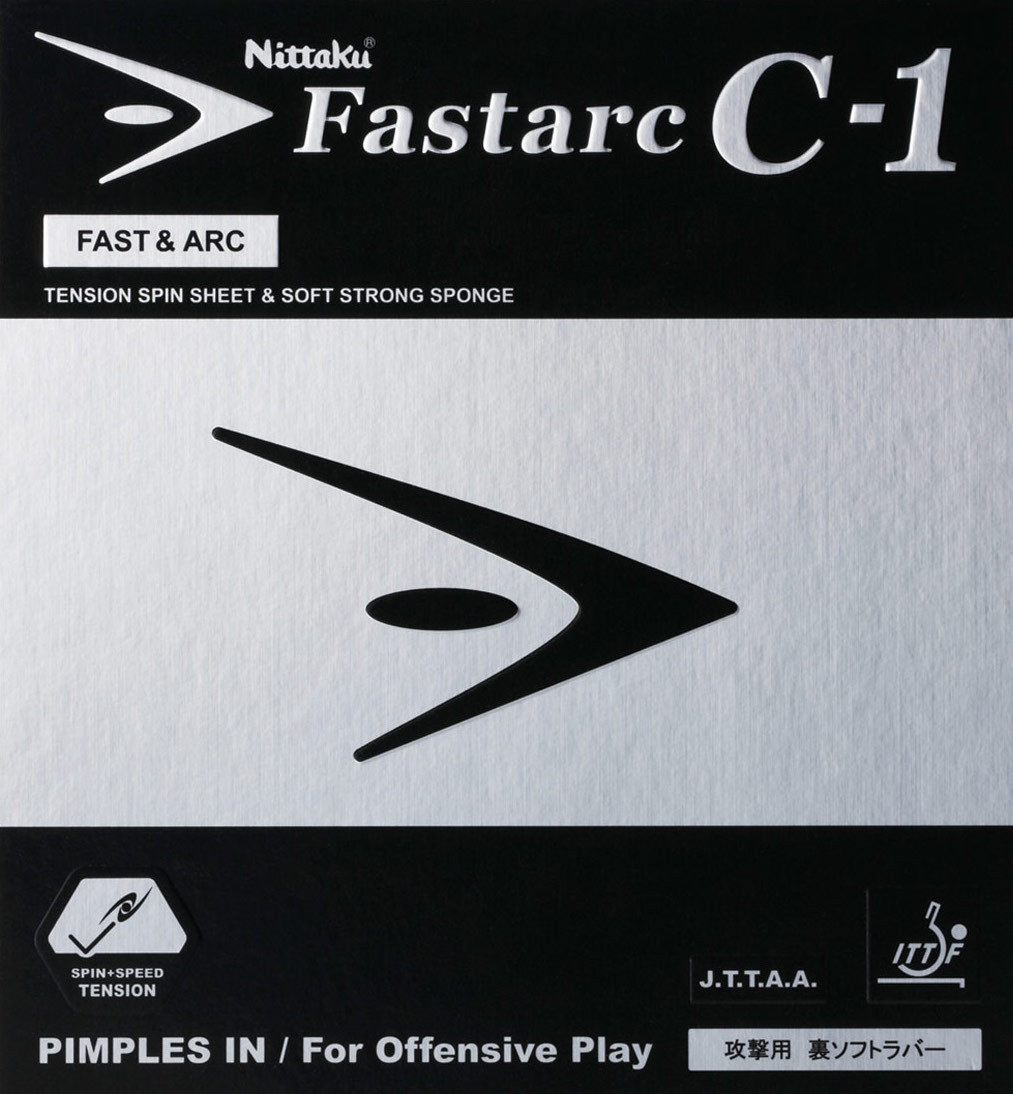
Select Donic Bluefire M1 if you attack with heavy topspin loops close-to-mid table and want speed and hardness for flat-hitting. It is best for advanced players who supply their own technique. Choose Nittaku Fastarc C-1 if you loop heavily and want premium tensor spin with a forgiving high arc on opening loops and excellent mid-distance striking. The C-1 is less speedy than Tenergy 05 but offers better consistency, control and durability. M1 is a speed weapon; C-1 is an arc weapon.
FAQ
Which is better for opening loops?
Nittaku Fastarc C-1 with its forgiving high arc and outstanding dwell time on opening loops.
Which is faster?
Donic Bluefire M1 at 9.7 out of 10 vs. C-1’s lower top-end speed ceiling.
Which is better as a backhand rubber?
C-1 is ideal as an allround forehand or backhand option; M1 is forehand-only.
Which generates sharper serve spin?
M1; C-1 service spin is slightly less sharp than harder tensor competitors.