Donic Bluefire M1 vs Loki RXTON 1: Which Should You Buy?
| Donic Bluefire M1 | Loki RXTON 1 | |
|---|---|---|
| Our rating | 8.4/10 | 8.0/10 |
| best_side | Forehand | both |
| control | 9.1 / 10 | very high |
| speed | 9.7 / 10 | low to medium |
| spin | 9.0 / 10 | high |
| sponge_hardness | 47.5 degrees (medium-hard) | medium (around 38-39 degrees Chinese scale, roughly 50-52 ESN) |
| type | Inverted / Tensor | tacky inverted (budget) |
| weight_uncut_g | approx 49 g | 64 |
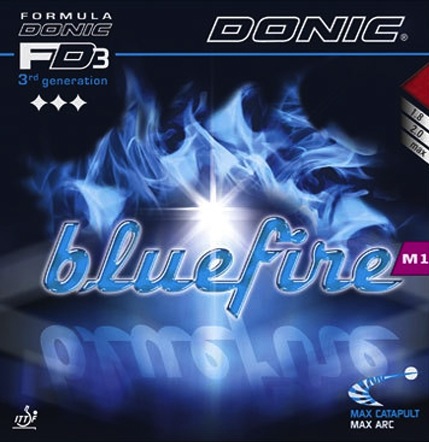
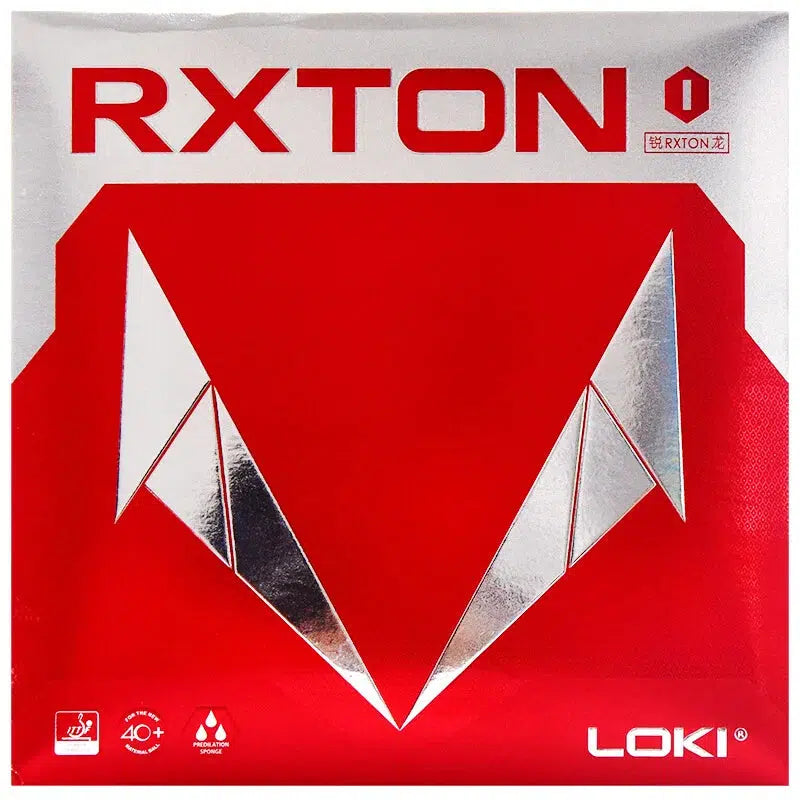
We may earn a commission from links on this page. Learn more.
Choose Donic Bluefire M1 if you are an advanced offensive player needing hard, fast forehand speed with high throw angle for competitive looping. It is a professional-grade tool that requires advanced technique and proper arm acceleration. Pick Loki RXTON 1 if you are a beginner or control-focused club player building your first custom racket on a shoestring budget. The RXTON offers outstanding value at roughly 15 dollars per sheet, very high control, good spin and the ability to replace monthly without guilt. M1 is elite firepower; RXTON is accessible learning.
FAQ
Which is faster?
Donic Bluefire M1 at 9.7 out of 10 vs. Loki RXTON 1’s low to medium speed.
Which is better for beginners?
Loki RXTON 1 with very high control, light handling and beginner-friendly feel.
Can I use M1 as a backup rubber?
Yes, but it is expensive. RXTON is ideal as a backup or training sheet you can swap monthly.
Which is better for blocking?
RXTON has better passive control; M1 requires active strokes and is harder to control.