Donic Bluefire M1 vs JOOLA Dynaryz ZGR: Which Should You Buy?
| Donic Bluefire M1 | JOOLA Dynaryz ZGR | |
|---|---|---|
| Our rating | 8.4/10 | 8.3/10 |
| best_side | Forehand | forehand |
| control | 9.1 / 10 | Medium-High |
| speed | 9.7 / 10 | Extreme |
| spin | 9.0 / 10 | Extreme |
| sponge_hardness | 47.5 degrees (medium-hard) | 57.5 degrees Shore C (hard) |
| type | Inverted / Tensor | hybrid tacky tensor (pimples-in) |
| weight_uncut_g | approx 49 g | approx 56g (cut to 157x150mm) |
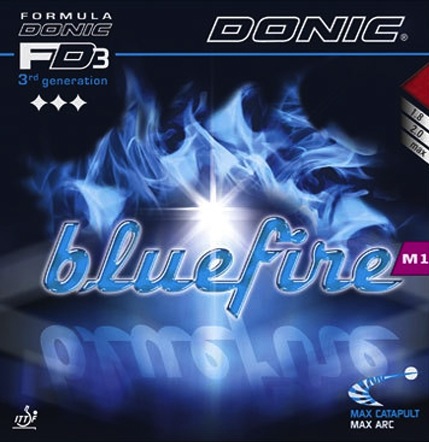
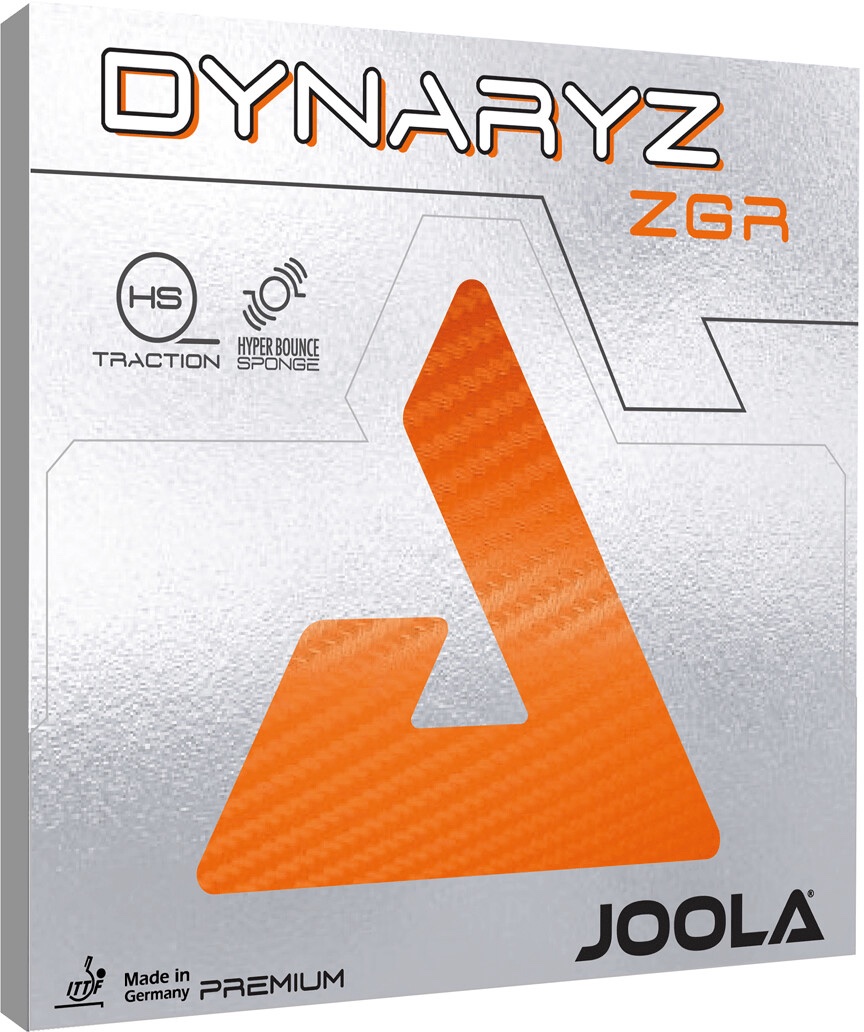
We may earn a commission from links on this page. Learn more.
Pick Donic Bluefire M1 if you want a proven, hard tensor with excellent speed, consistent performance and good long durability at a lower price. It is ideal for close-to-mid table topspin attackers. Choose JOOLA Dynaryz ZGR if you are an advanced mid-to-long distance power looper coming from Chinese rubbers but wanting tensor catapult, or if you prioritize exceptional spin over speed. The ZGR offers a unique tacky-tensor blend with multiple gears and surprisingly good blocking, though at 57.5 degrees it demands high racket speed and its tackiness fades in roughly two months. M1 is specialist speed; ZGR is hybrid versatility.
FAQ
What is ZGR’s advantage over M1?
The ZGR is noticeably spinnier and tackier, with multiple gears for both touch play and power shots.
Which is better for mid-to-long distance?
The JOOLA Dynaryz ZGR, which is designed for power loopers at mid to long distance, while M1 shines close-to-mid.
Which is lighter?
The M1 at roughly 49 grams vs. ZGR at roughly 56 grams cut.
Which needs less technique?
M1 is slightly more forgiving; ZGR is very hard and demands high technique.