Donic Bluefire JP 01 Turbo vs Nittaku Fastarc P-1: Which Should You Buy?
| Donic Bluefire JP 01 Turbo | Nittaku Fastarc P-1 | |
|---|---|---|
| Our rating | 8.3/10 | 7.8/10 |
| best_side | forehand | forehand |
| control | high | 8.5 |
| speed | OFF+ | 15.5 |
| spin | very high | 12.25 |
| sponge_hardness | medium+ (47.5 degrees) | 47.5 degrees |
| type | inverted / tensor | tensor |
| weight_uncut_g | around 50g uncut | 70 |
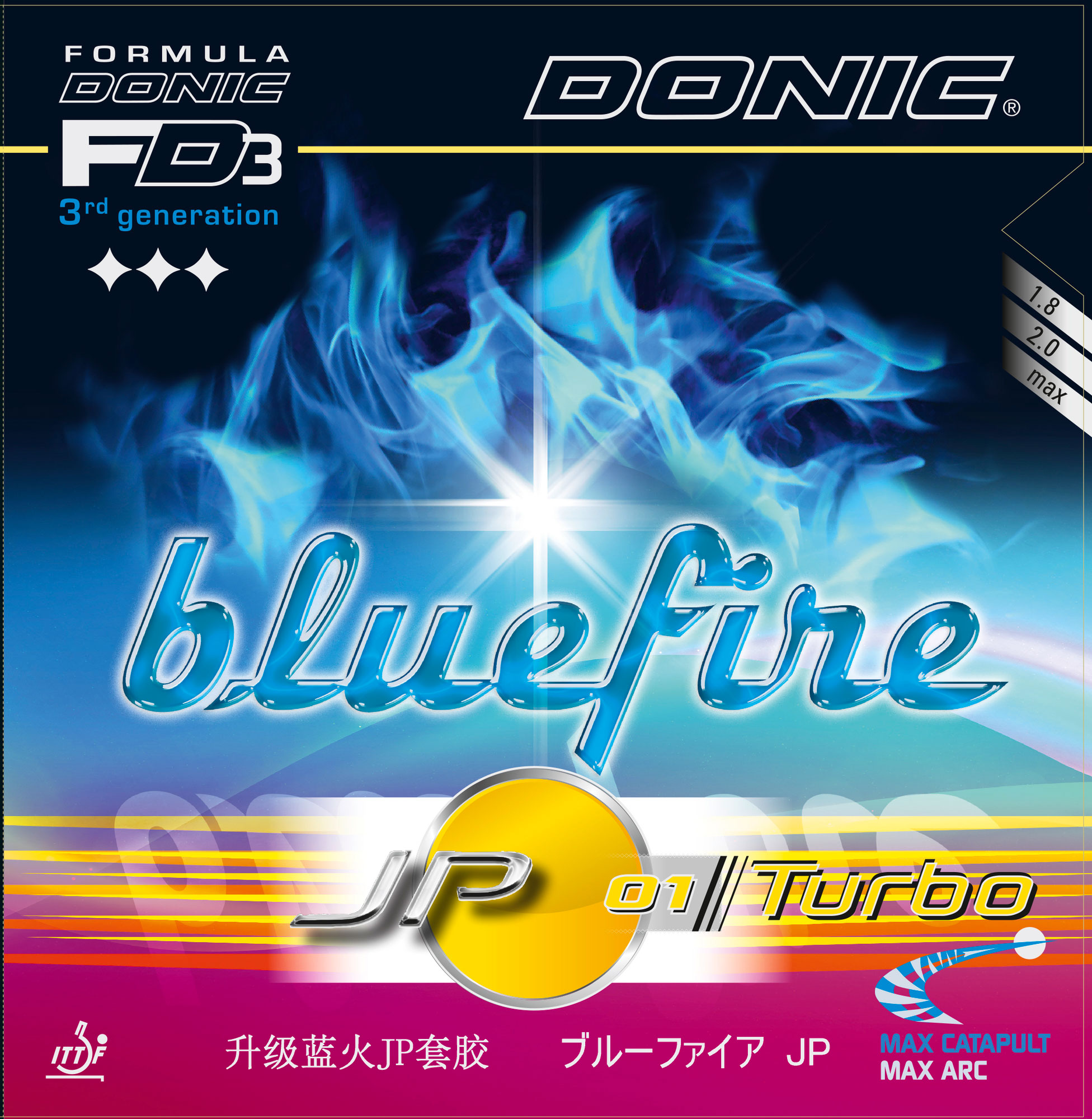
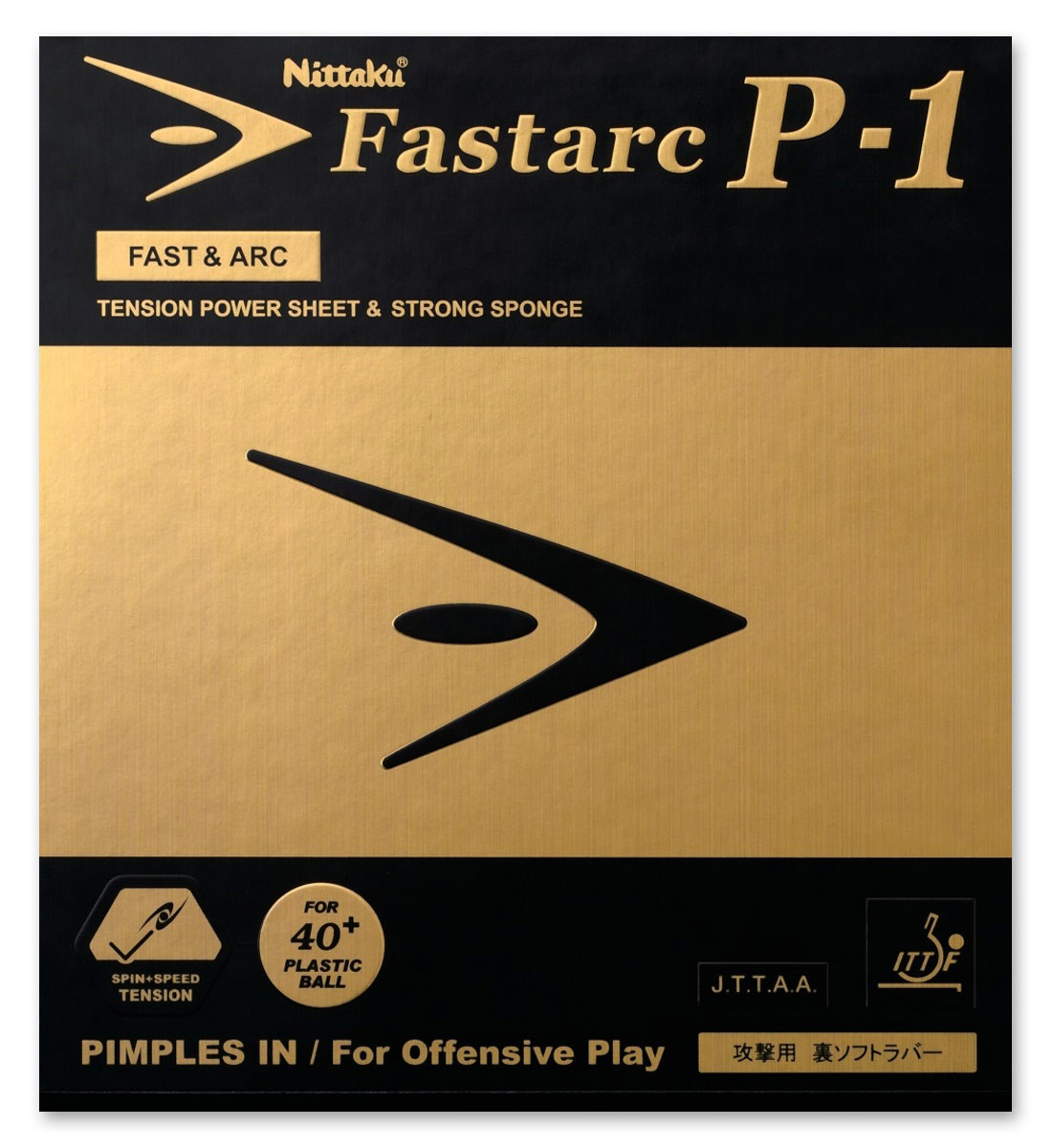
We may earn a commission from links on this page. Learn more.
JP01 (8.3) emphasizes accessible spin via catapult and open-pored sponge, making it forgiving for mid-distance play. P-1 (7.8) trades catapult for high arc and spin sensitivity. P-1 generates impressive spin on power loops but punishes tentative or arm-only strokes severely—weakness becomes error-prone results. Both favor forehand, but P-1 throw angle is steeper, offering net safety that JP01 lacks. JP01 wins on durability only in feeling (though both need reguing); P-1 is heavier (70g) and more linear in demand. Choose JP01 for intermediate loopers seeking spin without technique demand. Pick P-1 only if your topspin mechanics are sound and you can commit to full-body strokes.
FAQ
Which is better for developing players?
JP01 overwhelmingly. P-1 is unforgiving; weak or half-committed strokes fail badly.
How do spin outputs compare?
P-1 spins as high (12.25) as JP01 (very high) on power loops, but P-1 requires full commitment; JP01 spins even on softer touches.
Which handles backspin opening better?
JP01 more consistent. P-1 requires greater precision against heavy backspin than its sibling G-1.
What about weight and balance?
JP01 is lighter (50g) and easier to swing. P-1 at 70g uncut may unbalance lighter blade setups.
Which suits all-wood versus carbon blades?
Both work on all-wood and carbon, but P-1 better rewards fast, consistent blade technique.