Donic Appelgren Allplay vs Yinhe T-11+: Which Should You Buy?
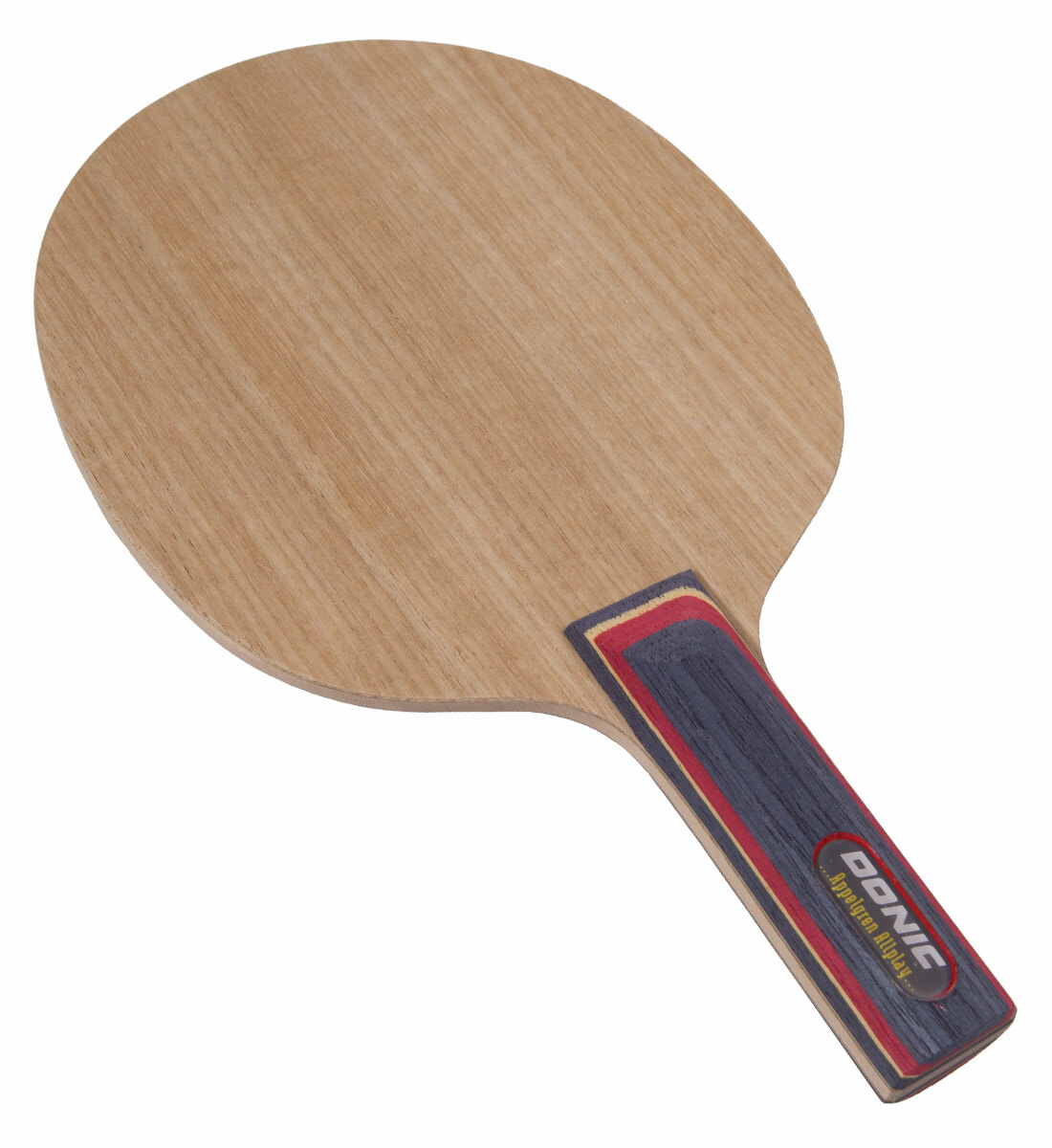
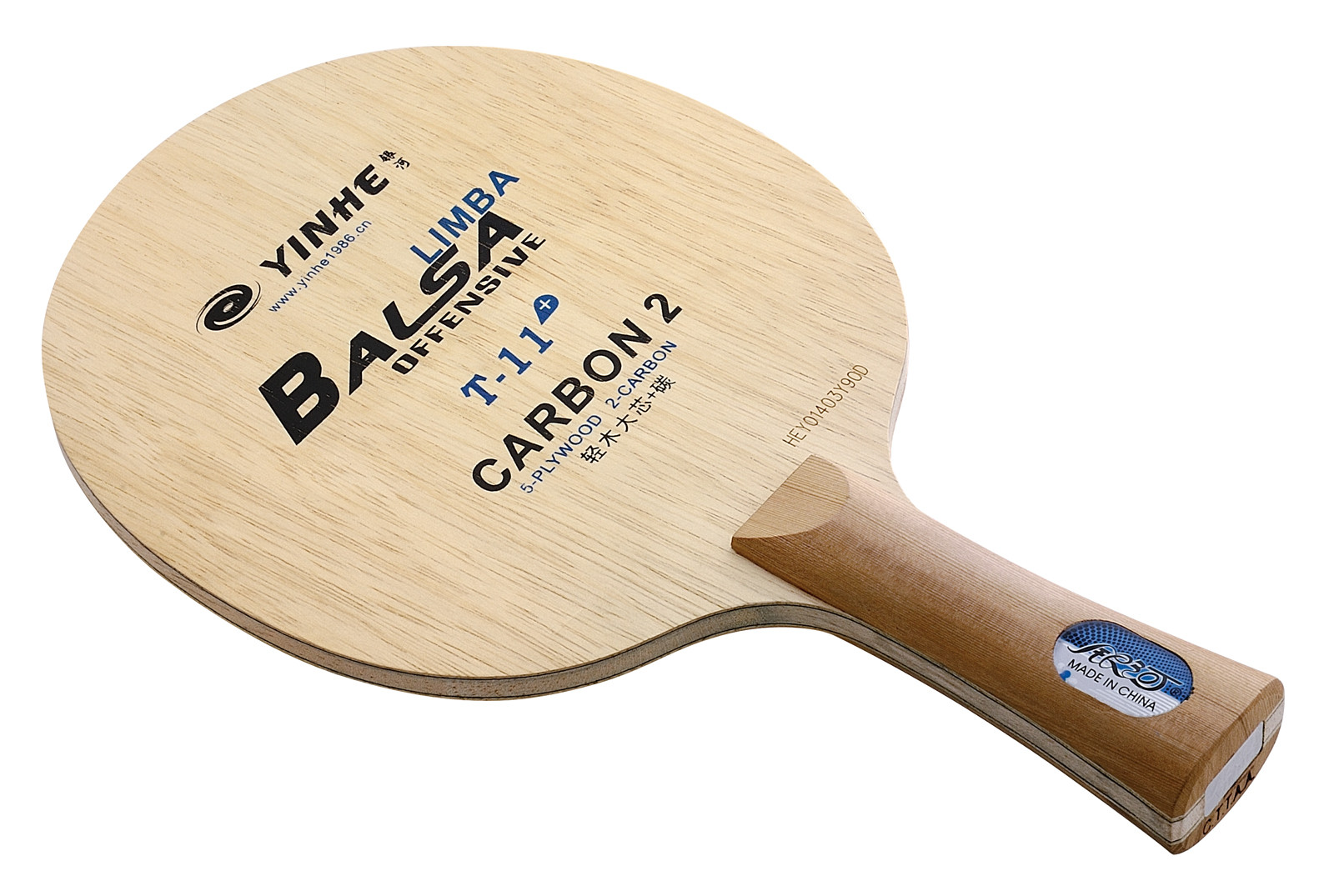
| Donic Appelgren Allplay | Yinhe T-11+ | |
|---|---|---|
| Our rating | 8.3/10 | 7.8/10 |
| feel | medium, controlled | very light, stiff but soft balsa core with a carbon ping |
| handle | FL/ST/AN | FL |
| plies | 5W (abachi core + limba) | 5W+2 Carbon with balsa core (two thin wood outers, one carbon layer per side, around a thick balsa middle ply) |
| speed | ALL | OFF- |
| thickness_mm | 5.8 | 6.5 |
| weight_g | 85 | 78 |
We may earn a commission from links on this page. Learn more.
These two appeal to very different players. The Donic Appelgren Allplay is an ALL-speed all-wood blade prized for control, feedback, and forgiveness, the kind of do-everything frame you learn every stroke on. The Yinhe T-11+ is a stiff, fast balsa-carbon blade that is exceptionally light and built for flat hitting, blocking, and smashing through spin.
Forgiveness versus firepower is the trade. The Allplay is consistent and easy but only adequate in speed, so dedicated attackers grow past it. The T-11+ delivers serious pace in a roughly 78-gram package, but it is not beginner friendly, its surface must be sealed, and passive blocks can lack rebound.
Go with the Appelgren Allplay if you are developing your game and want maximum control to learn on. Choose the T-11+ if you already hit, block, or play pips/combination styles and want speed and mobility, paired with soft to medium rubbers.
FAQ
Which is friendlier for new players?
The Donic Appelgren Allplay. It is forgiving and controllable, while the T-11+ is explicitly not beginner friendly and needs concentration in the short game with fast rubbers.
Which is better for an attacking, hitting style?
The Yinhe T-11+. Its stiffness and speed make flat hitting and smashing through spin easy, where the Allplay is more of an all-round learner’s blade.
Is the T-11+ ready to use out of the box?
Not quite. Its fragile surface can splinter and should be sealed before you apply rubber.