DHS Skyline TG3 vs Tibhar Quantum X Pro: Which Should You Buy?
| DHS Skyline TG3 | Tibhar Quantum X Pro | |
|---|---|---|
| Our rating | 8.2/10 | 8.5/10 |
| best_side | forehand | both |
| control | 8.0 | medium |
| speed | 7.5 | very high |
| spin | 9.5 | very high |
| sponge_hardness | 38-40 degrees | 47.5 degrees |
| type | tacky Chinese inverted | tensor |
| weight_uncut_g | 63 | 70 |
We may earn a commission from links on this page. Learn more.
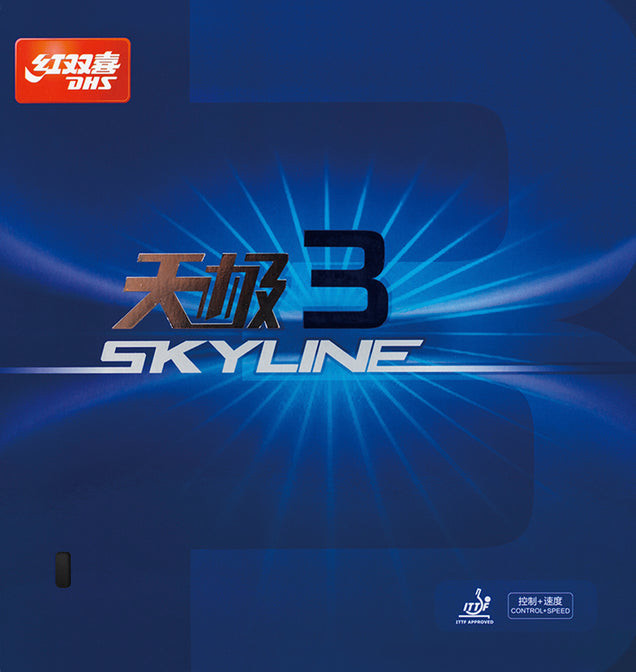
DHS Skyline TG3 commands extreme mechanical spin from close range and rewards Chinese looping technique with elite performance at a fraction of premium European prices. The trade-off is slowness on flat hits and steep learning curve.
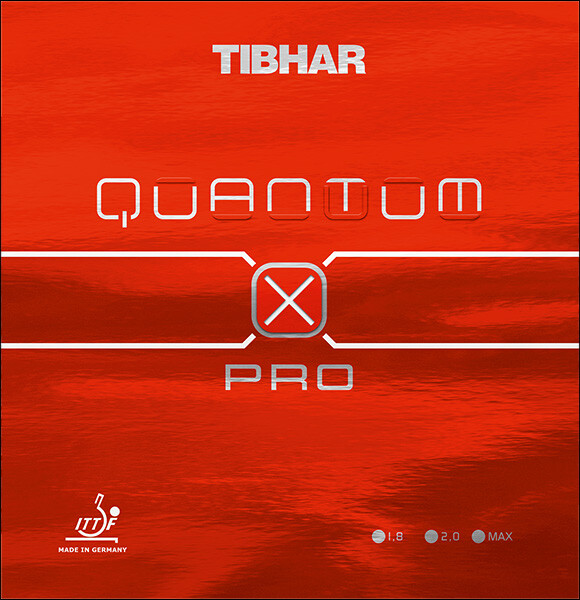
Tibhar Quantum X Pro specializes in near-table control and counter-topspin on the backhand, with forgiving low spin sensitivity and light weight. It excels at reliability and mid-range consistency but trails slightly on raw looping spin. Pick Skyline for spin firepower and budget appeal; pick Quantum X Pro if you prioritize backhand reliability and don’t need maximum spin output.
FAQ
Which is better for backhand play?
Quantum X Pro is purpose-built for the backhand with excellent control and low spin sensitivity. Skyline TG3 suits forehand-dominant players.
How do they compare on speed?
Quantum X Pro is significantly faster and more suitable for aggressive flat-hitting and mid-distance attacks. Skyline TG3 sacrifices speed for spin.
Which costs less?
Skyline TG3 is considerably more affordable while matching or exceeding Quantum X Pro on raw spin output.
Who would prefer Quantum X Pro?
Players seeking a professional-grade backhand tensor with proven elite-level pedigree and strong near-table counter-topspin performance.