DHS Skyline TG3 vs Nittaku Hammond Z2: Which Should You Buy?
| DHS Skyline TG3 | Nittaku Hammond Z2 | |
|---|---|---|
| Our rating | 8.2/10 | 8.8/10 |
| best_side | forehand | forehand |
| control | 8.0 | 7.5 |
| speed | 7.5 | 9.0 |
| spin | 9.5 | 9.5 |
| sponge_hardness | 38-40 degrees | 52 |
| type | tacky Chinese inverted | inverted |
| weight_uncut_g | 63 | 70 |
We may earn a commission from links on this page. Learn more.
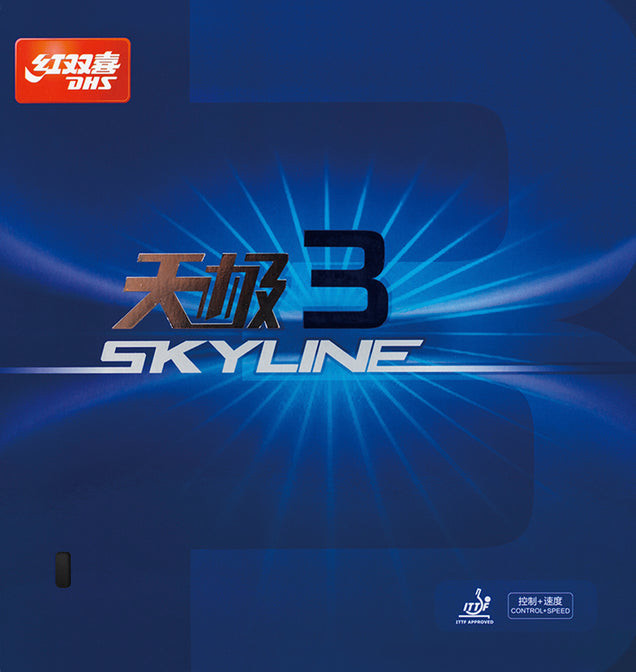
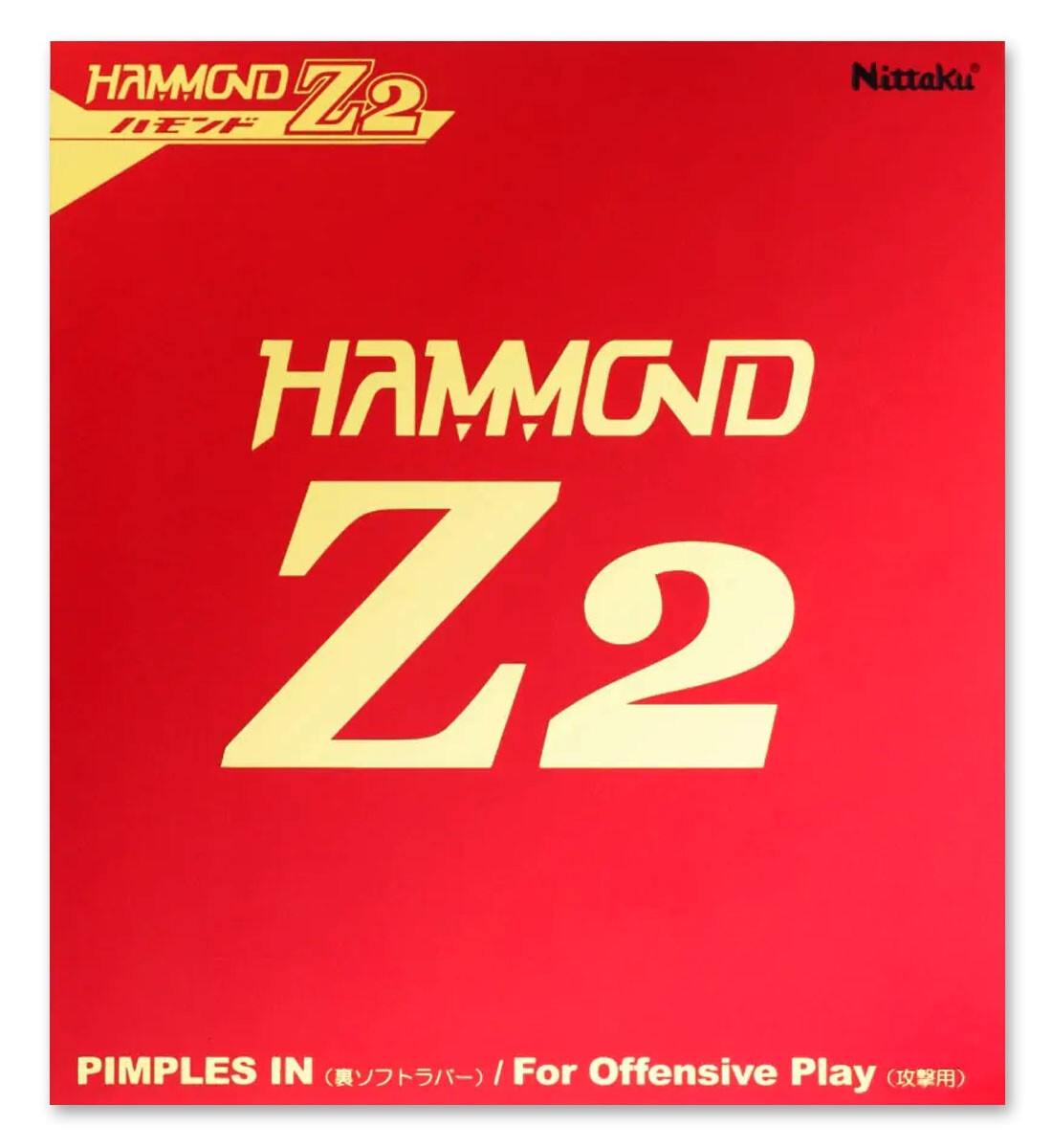
DHS Skyline TG3 and Nittaku Hammond Z2 are both elite performers at similar ratings (8.2 vs 8.8) but with distinct profiles. Skyline delivers mechanical spin through tackiness and low trajectory, punishing poor technique. Hammond Z2 is a hard Japanese tensor (52 degrees) with medium arc, exceptional durability, and broad gear range.
Hammond matches Skyline on spin (both 9.5) but adds speed (9.0 vs 7.5) and blocks with destructive power. It is not ESN-based, giving it distinctive non-formula character. Hammond demands active, well-timed strokes and polarizes early adopters. Skyline teaches fundamentals. Both are unforgiving. Choose Skyline for pure spin mastery, budget pricing, and serve dominance. Choose Hammond Z2 for hard-hitting attackers wanting true Tenergy-class durability, powerful blocks, and consistent performance over months.
FAQ
Which rubber is made where?
DHS Skyline TG3 is Chinese. Nittaku Hammond Z2 is made in Japan. Distinct manufacturing philosophies—Nittaku more traditional, less ESN-dependent.
Which is more durable?
Nittaku Hammond Z2 has above-average durability for tensors—much better than typical ESN rubbers. Skyline maintains spin well.
Which is better for backhands?
Both are forehand-primary, though Hammond adapts better to flexible blades. Skyline is strictly forehand.
How do serve techniques differ?
DHS Skyline TG3 serves are sharper with tacky grip. Hammond Z2 serves are good but lack the tactile control Skyline provides.
Which is harder to dial in?
Nittaku Hammond Z2. It polarizes early impressions for Skyline users. Skyline feedback is more predictable.