DHS Skyline TG3 vs JOOLA Dynaryz AGR: Which Should You Buy?
| DHS Skyline TG3 | JOOLA Dynaryz AGR | |
|---|---|---|
| Our rating | 8.2/10 | 8.7/10 |
| best_side | forehand | FH |
| control | 8.0 | 7 |
| speed | 7.5 | 9.6 |
| spin | 9.5 | 9.3 |
| sponge_hardness | 38-40 degrees | Hard (around 50 degrees EUR, purple Hyperbounce sponge) |
| type | tacky Chinese inverted | inverted |
| weight_uncut_g | 63 | 71 |
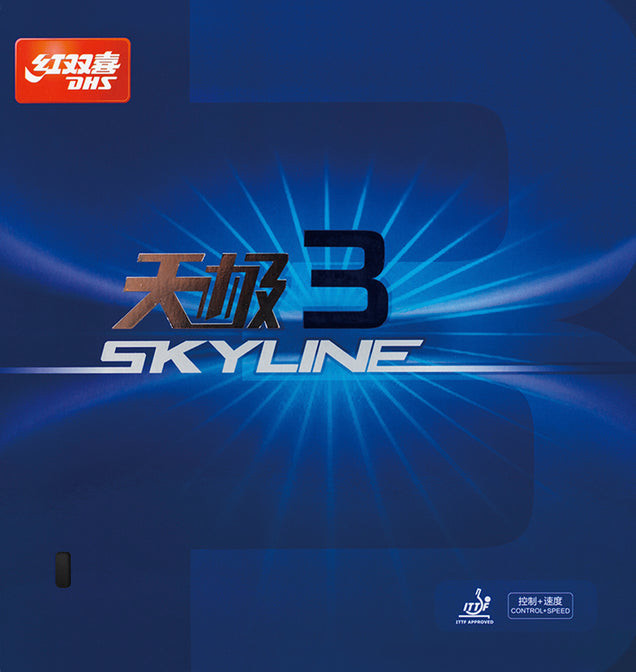
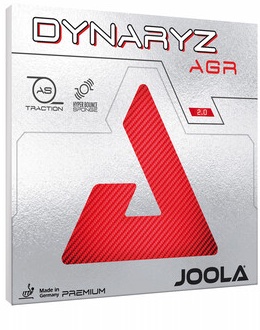
We may earn a commission from links on this page. Learn more.
DHS Skyline TG3 and JOOLA Dynaryz AGR are poles apart in approach. Skyline builds technique through mechanical grip and spin—every mistake is visible, every correct stroke rewarded. AGR is pure firepower: fastest-in-class tensor at 9.6 speed, elite spin at 9.3, but limited passive control and short game.
Skyline costs a fraction of AGR and develops better fundamentals. AGR demands clean, committed technique—it amplifies good strokes and brutally punishes sloppy ones. For competitive players already skilled, AGR is the edge. For developing players seeking to master spin and control, Skyline is the wiser investment. AGR offers maximum speed and spin with no safety net; Skyline offers technique development and serve mastery.
FAQ
Which rubber is for beginners?
Neither. Skyline punishes poor footwork; AGR demands clean technique. AGR is especially brutal for developing players—too demanding without elite fundamentals.
Which has better short game?
DHS Skyline TG3 by far. Its tacky grip excels at serves, flicks, and short play. AGR has limited passive control and low, unforgiving short game.
How much is the speed difference?
AGR is 9.6 speed vs Skyline’s 7.5—a significant gap. You gain pure attacking firepower but lose versatility and control.
Which lasts longer in competitive play?
DHS Skyline TG3. AGR dies in roughly 4-6 months under heavy use. Skyline maintains performance longer, especially on spin.
What is the price difference?
AGR is flagship-tier premium pricing. Skyline is budget-friendly. Significant cost difference for similar-era performance.